
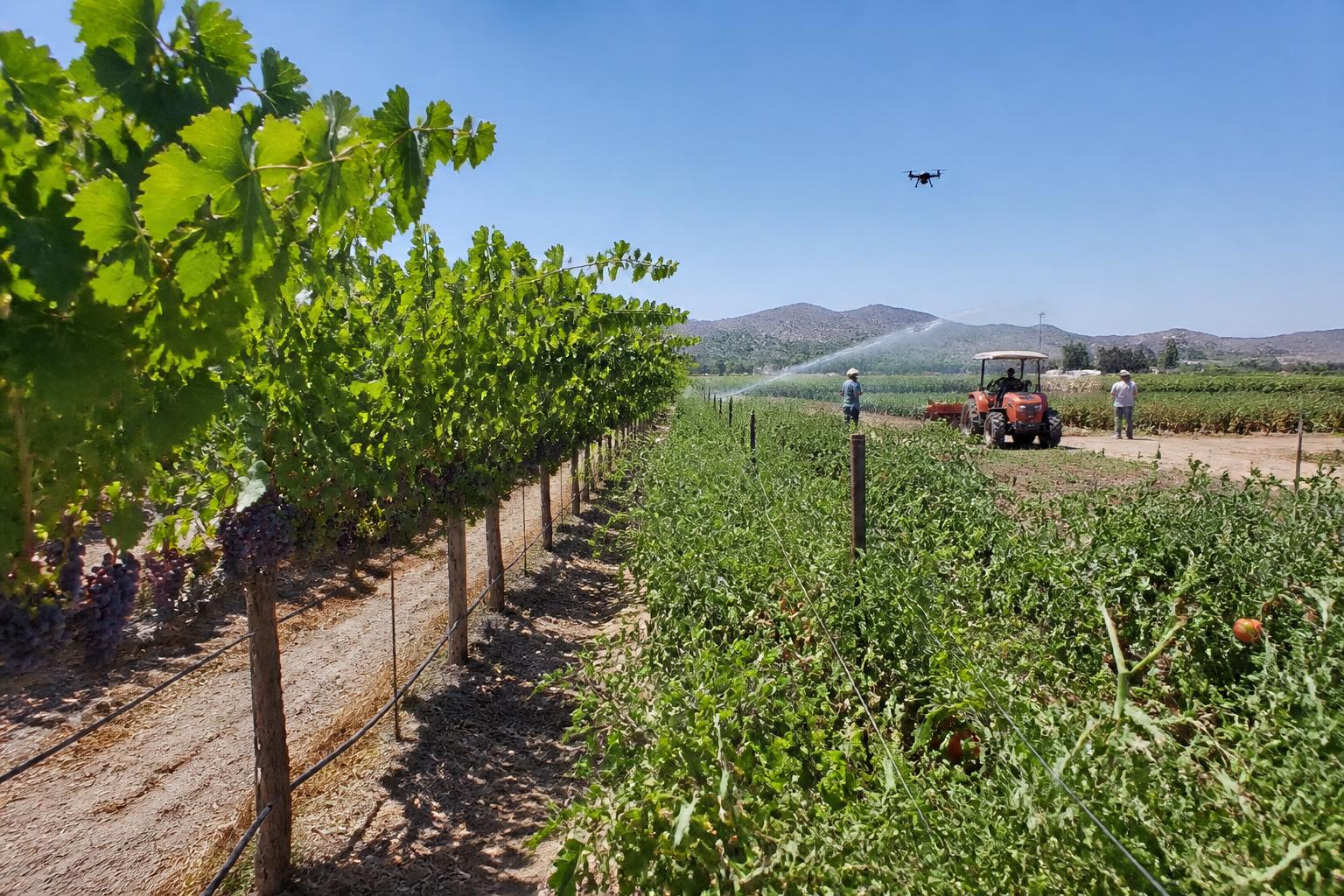
In the heat of the Arizona summer, the agricultural sector faces a unique set of logistical challenges that test the endurance of both infrastructure and supply chain management. As harvest activities continue, grain elevators and storage facilities are under increased pressure to manage inventory efficiently. Ensuring that crops are moved and stored promptly is essential, especially when ambient temperatures threaten to degrade quality and complicate the optimization of seasonal labor and logistics.
Managing Storage and Quality Under Heat Constraints
High temperatures in regions like the Yuma Valley often necessitate stricter moisture and temperature control protocols for stored grain. When local facilities reach capacity, the resulting overflow can create significant bottlenecks. Producers are increasingly relying on sophisticated monitoring to track grain piles and ensure that aeration systems are performing to standard. This is critical not only for maintaining current output but for preserving the marketability of the crop as it transitions through the supply chain.
Infrastructure and Future-Proofing the Supply Chain
Logistical fluidity remains a top priority for Arizona agribusinesses. With recent interest from stakeholders in enhancing transport hubs and infrastructure to support agricultural competitiveness, many producers are looking toward better integration of regional transportation corridors. Whether moving heritage grains or larger commodity crops, the ability to bypass transit delays is paramount for maintaining profitability amidst high operational costs.
Integrating Technology for Better Flow
To combat the challenges of the summer cycle, many firms are turning to precision tools. The adoption of innovative ag-tech solutions is helping managers better predict harvest timing and coordinate with transport providers to prevent extended idling at unloading sites. These technologies offer a path toward more predictable logistics, which is increasingly vital for maintaining a lean operation during months where heat-related disruptions are common.
What it means for the market
The current environment requires heightened vigilance regarding storage capacity and transportation lead times. Growers and grain handlers who prioritize proactive monitoring and leverage real-time data will likely be better positioned to navigate the seasonal heat, reducing the risk of quality loss and ensuring that supplies reach domestic or export markets without significant delays.
Comments
No comments yet - be the first to share your take.