
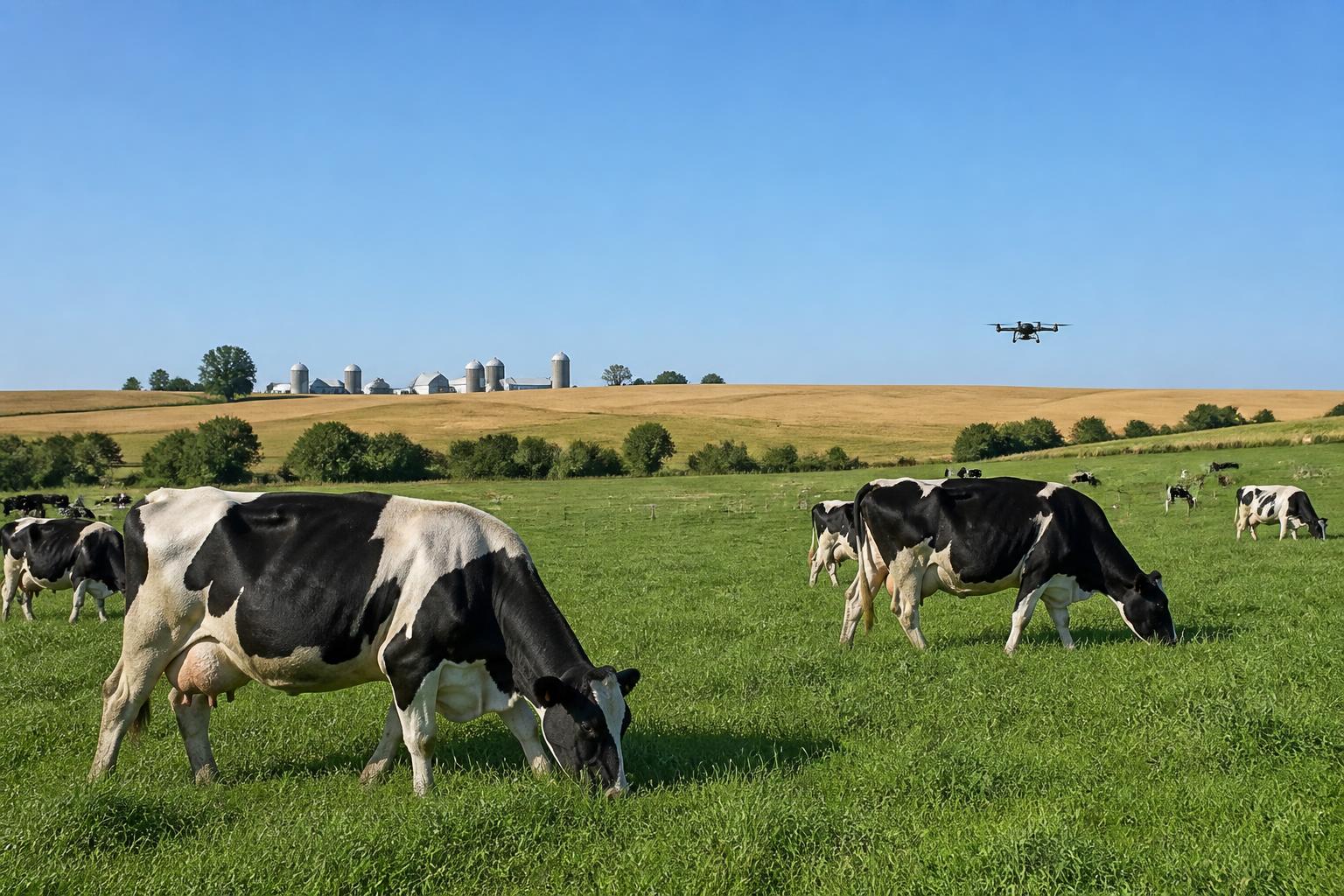
Mid-summer in Kansas often presents a complex landscape for crop protection as producers manage fields across the state, from the western plains to the eastern corridors. With the ongoing pressure of managing seasonal pests and maintaining crop health, many growers are increasingly looking toward integrated technologies to refine their application strategies. The rise of UAV-based detection and real-time pesticide mixing allows for more targeted interventions, which can be essential during peak heat cycles when standard field access may be limited.
These precision tools offer a dual benefit of efficiency and sustainability. By utilizing sensor-laden drones to identify specific stress points rather than applying blanket treatments, producers are finding they can reduce product waste while addressing issues before they escalate. This level of water security and crop resilience is becoming a cornerstone of modern Kansas agriculture, particularly as growers balance input costs against variable weather outcomes.
The Role of Adaptive Spraying
Adaptive spraying technology marks a significant shift in how Kansas agribusinesses approach the mid-season. By adjusting application rates based on real-time data, operators can account for variations in biomass and weed density across a single pivot or field section. This shift not only supports better yields but also aligns with broader efforts to improve the long-term sustainability of the soil. For those navigating the complexities of crop protection challenges during active growth windows, these automated solutions provide much-needed clarity and operational control.
Looking Toward Future Efficiencies
As the state continues to integrate AI-driven insights into farm management, the goal remains clear: maximizing resource allocation. Whether it is optimizing chemical usage or refining nutrient placement, the technology available today serves as a vital tool for risk mitigation. When coupled with updated crop insurance considerations and regional market analysis, these technical investments help create a more stable outlook for the remainder of the season.
What it means for the market: For Kansas farmers and input providers, the shift toward integrated technology suggests a transition from volume-based purchasing to efficiency-focused management. Adopting these tools early may allow producers to navigate input price volatility more effectively and maintain better margins as the season progresses toward harvest.
Comments
No comments yet - be the first to share your take.