
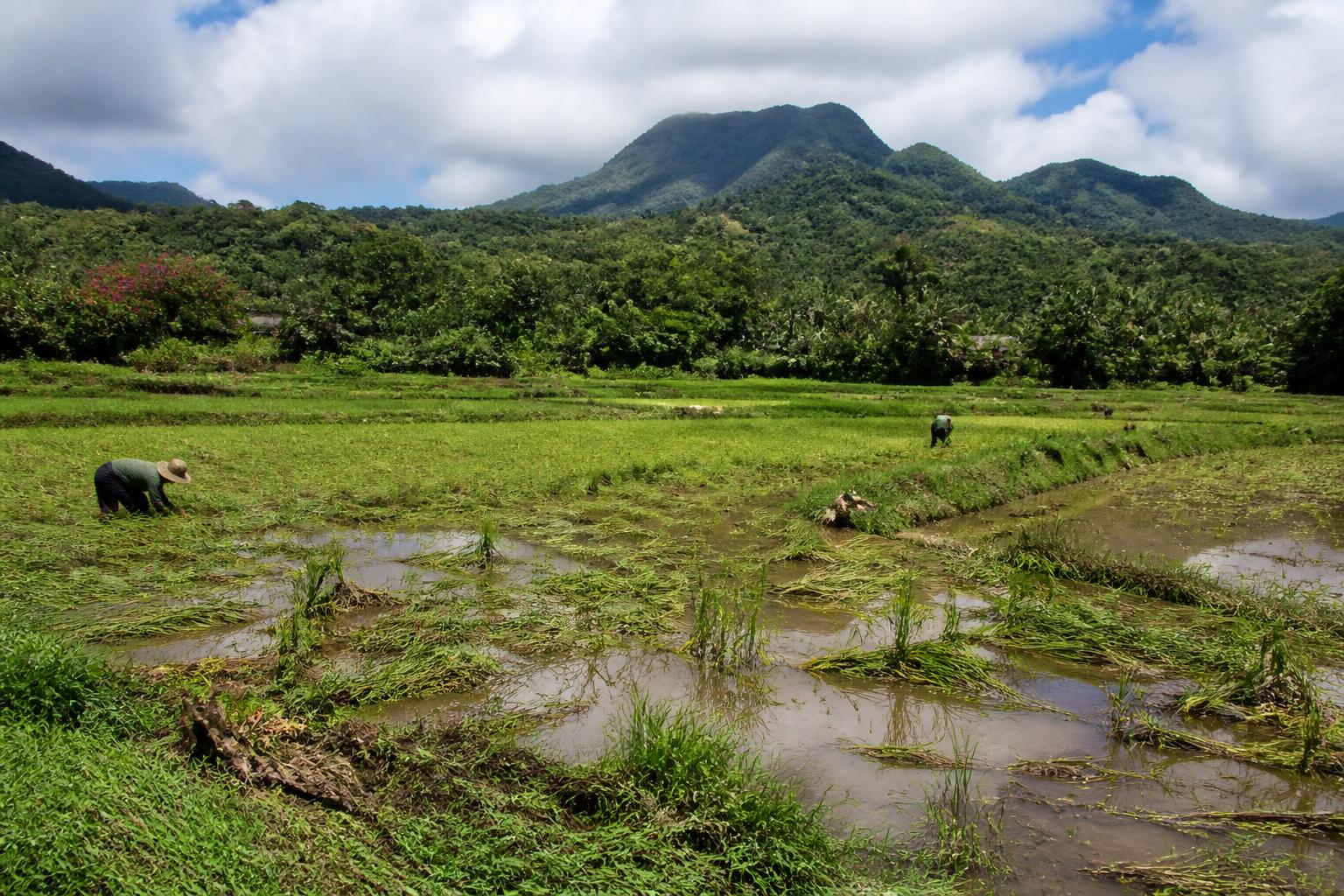
Hawaii's agricultural community continues to adapt to an increasingly volatile operating environment. After navigating some of the most significant flooding events in recent memory, many local producers are recalibrating their seasonal outlooks while managing ongoing supply chain dependencies. These weather impacts have highlighted the fragility of local vegetable output and the pressing need for robust infrastructure to maintain consistent market delivery.
As producers work to restore field productivity, managing biological threats remains a top priority. Investment in protecting Hawaii's agricultural future has been bolstered by significant funding aimed at curbing the spread of invasive species, such as the little fire ant, which can disrupt both operational labor and logistics. These efforts are essential to ensuring that local farms remain viable and competitive in a challenging climate.
Adapting to Logistics and Market Shifts
The movement of agricultural goods across the islands and to mainland markets requires precise coordination. With regional logistics often subject to external constraints, the expansion of freighter fleets provides a glimmer of stability for producers who depend on timely shipping to reach broader distribution channels. Efficient transport is vital for sectors ranging from specialized produce to grass-fed beef, which remains a staple of Hawaii's unique livestock identity.
Furthermore, local agricultural entities are exploring new avenues for growth, including the potential for reviving traditional crops like rice. These research-driven initiatives offer a pathway toward greater self-sufficiency. For those interested in the future of the industry, navigating changing regulations and crop protection in Hawaii is becoming a routine component of daily farm management as growers integrate new biosecurity protocols into their existing workflows.
Building Long-Term Sustainability
Beyond immediate weather recovery, stakeholders are focusing on long-term resilience. This includes educational programs that engage the next generation in field management and the adoption of advanced growing techniques. As producers balance these long-term goals with the realities of rising input costs and supply chain constraints, the emphasis remains on community-driven action to mitigate environmental and biological risks.
What it means for the market: Producers should anticipate continued volatility in yields as recovery efforts proceed and prioritize investments in biosecurity and supply chain flexibility. Diversification of crop types and a focus on localized distribution may offer some buffer against the broader shipping and weather-related disruptions currently affecting the region.
Comments
No comments yet - be the first to share your take.