
Navigating Moisture Deficits and Field Stress
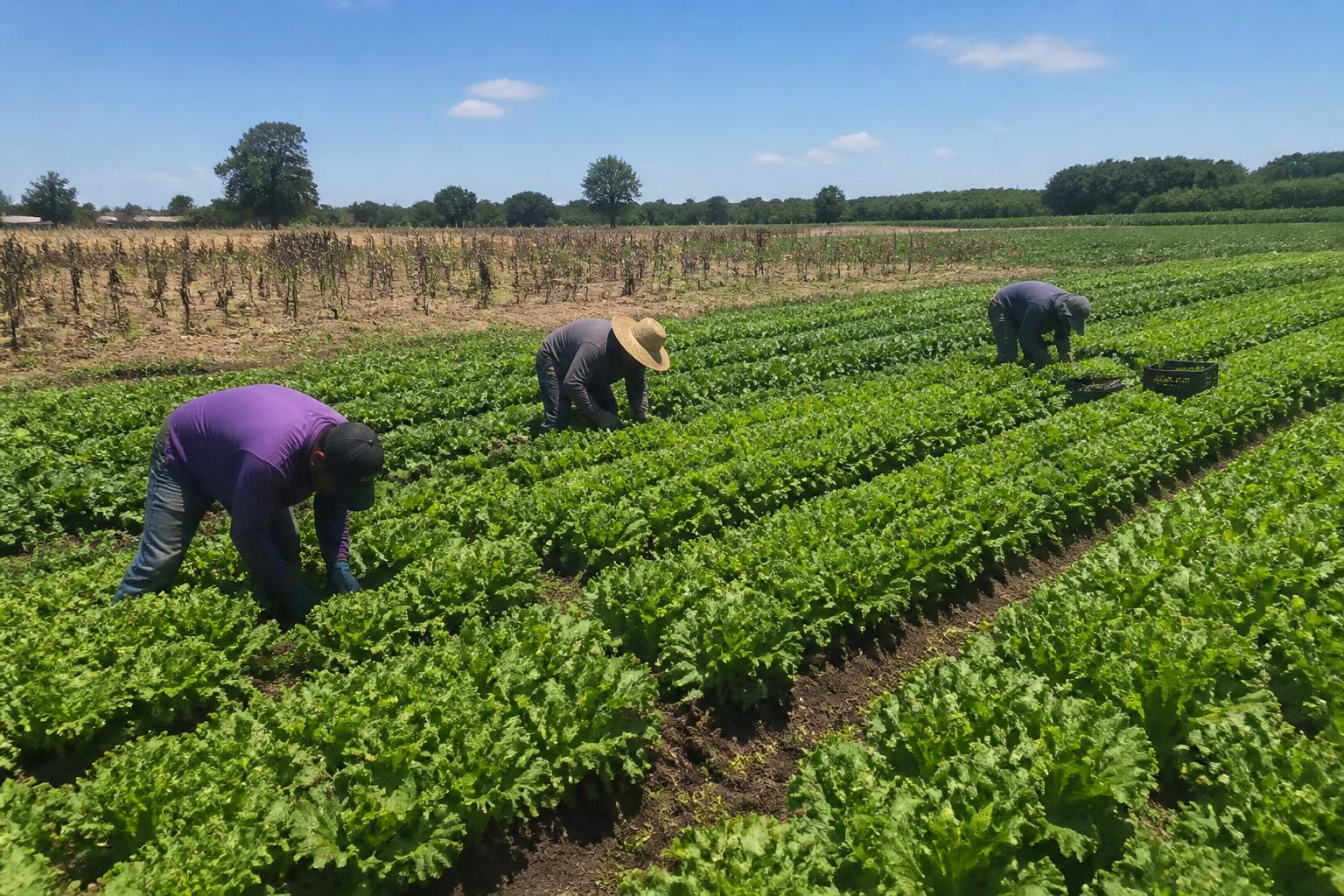
Massachusetts agriculture is currently grappling with a challenging mid-summer landscape characterized by persistent dry conditions. For growers across the Commonwealth, the intersection of record-low river levels and localized water usage restrictions is forcing a re-evaluation of mid-summer field resilience strategies. While many operations have implemented irrigation efficiency measures, the severity of the current moisture deficit highlights the vulnerability of local crops to prolonged heat stress.
Adapting Protection and Input Management
Beyond the immediate concerns of water availability, the state's producers are managing a complex array of inputs and health standards. Maintaining consumer confidence remains a priority, particularly for vegetable operations navigating safety scrutiny during peak harvest windows. Furthermore, growers are balancing these immediate environmental pressures with the long-term need for sustainable crop protection shifts to keep pace with changing climate variables and regulatory expectations.
What it means for the market
For grain handlers and agribusinesses, the combination of regional climate stress and global market volatility in inputs creates a volatile environment for supply chains. While precision agriculture and emerging tech offer potential buffers, the local focus remains on stabilizing yield through rigorous field monitoring. As Massachusetts enters the latter half of the summer, market participants should anticipate continued pressure on input costs and a heightened reliance on adaptive logistics to navigate the remainder of the season.
Comments
No comments yet - be the first to share your take.