
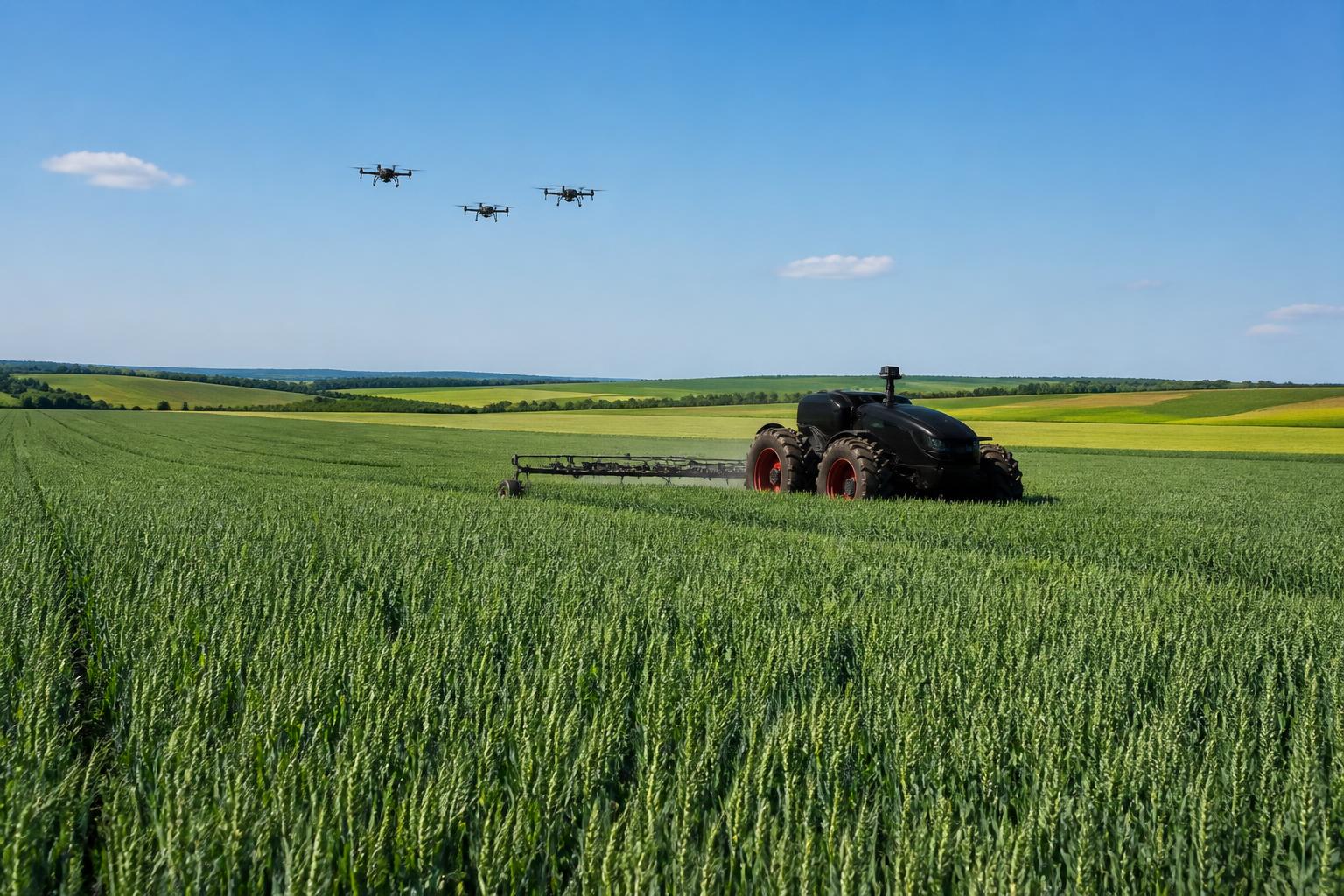
Kansas producers are currently contending with a complex late-summer landscape as crop protection demands intersect with evolving infrastructure needs. Field reports indicate that agricultural teams are actively addressing the detection of tar spot in corn, a development that requires diligent scouting and precise application timing to protect yield potential as we move deeper into the season.
For many operations, the shift toward integrating advanced technology—such as specialized spray tools and drone-based monitoring—is becoming a vital strategy for maintaining input efficiency. Staying ahead of disease pressure requires not only the right chemistry but also the logistical capability to deploy resources effectively across diverse acreage. You can find more on the importance of these systems in our recent look at integrating precision tech for enhanced crop protection in Kansas.
Logistics and Resource Management
Beyond the field, the broader supply chain environment continues to demand attention. As harvest activities approach, grain handlers and producers are keeping a close eye on transport capacity. Regional logistics can be sensitive to shifts in rail service performance, and maintaining a clear line of communication with providers is a standard practice for many elevators during peak volume periods. These efforts align with the broader goal of stabilizing regional flow, a topic we have explored regarding Kansas grain logistics and mid-summer infrastructure updates.
Furthermore, effective disease management is as much about proactive planning as it is about reactive measures. As producers evaluate their options, focusing on data-driven decision-making helps optimize the use of increasingly expensive crop inputs. Understanding the baseline for disease pressure is essential, as detailed in our guide on monitoring crop disease pressure and input efficiency across Kansas fields.
What it means for the market
For the Kansas agribusiness sector, the combination of regional disease pressure and the ongoing need for efficient logistics underscores a period of high operational vigilance. Success in the coming weeks will likely depend on the precision of protection applications and the ability to navigate potential pinch points in the grain handling and transportation network. Maintaining agility in both field management and logistical planning remains the best hedge against the volatility currently seen in the broader agricultural landscape.
Comments
No comments yet - be the first to share your take.