
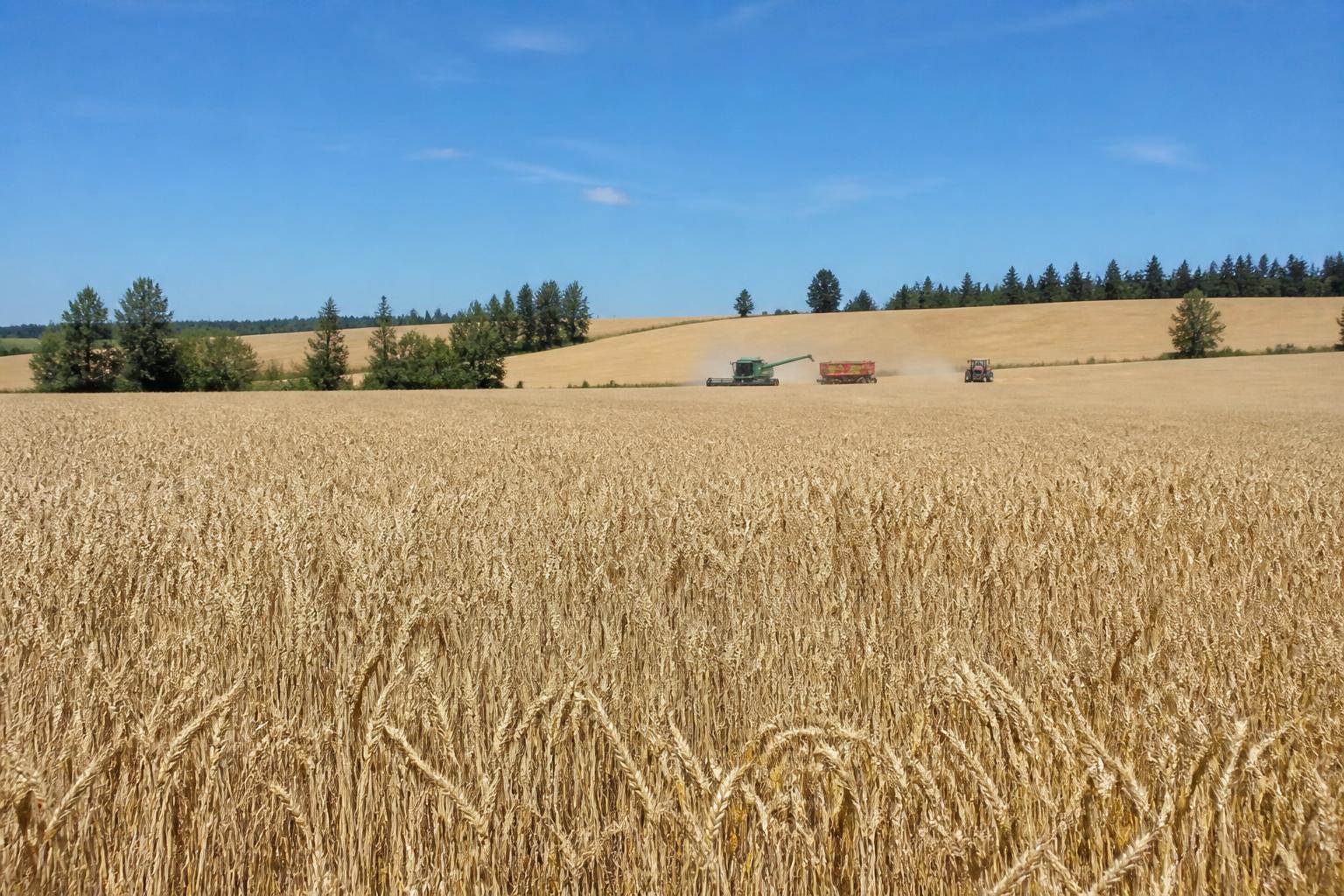
The summer harvest season remains a critical window for Oregon producers, as the state's agricultural supply chain manages both domestic transport logistics and the demands of international export markets. As wheat moves from fields to storage and eventually to port terminals, the efficiency of regional trucking remains a focal point for growers across the Columbia Basin and beyond. With recent consolidation in the national flatbed and specialized freight sector, local carriers are adjusting to an evolving logistics landscape that often dictates how quickly grain can be moved to export facilities for shipment to milling partners in Asia.
Value-Added Growth and Processing
Beyond traditional export channels, Oregon is seeing a notable investment in local infrastructure. The recent expansion of craft flour milling capacity within the state highlights a shift toward supporting regional supply chains. This growth provides producers with alternative outlets for their high-quality wheat, potentially insulating them from some of the volatility found in global grain commodity markets. For those evaluating their seasonal marketing strategies, it is worth tracking how these grain buyers, sellers and prices in Oregon adapt to increased demand from boutique and craft processors.
Managing Field and Input Pressures
As operations continue through the warm season, producers are also staying vigilant against field-level challenges. Weed management remains a top priority; reports of glyphosate-resistant Russian thistle serve as a reminder to refine scouting and herbicide application strategies. Maintaining crop health and input efficiency is essential to protecting yields, especially when navigating rising input costs in a complex regulatory climate. Additionally, for livestock operators managing through summer conditions, exploring alternative feed options can be a practical buffer against the pressures of seasonal moisture deficits.
What it means for the market
Producers should monitor how transport availability and local milling growth influence basis levels throughout the remainder of the summer. As logistics costs fluctuate, diversifying delivery points between traditional export elevators and emerging regional mills may offer a strategic advantage in maximizing returns on this season's crop. Producers are encouraged to keep a close watch on regional agricultural research and market updates to stay ahead of both environmental and economic headwinds.
Comments
No comments yet - be the first to share your take.