
Mid-summer in Tennessee brings a critical period for crop protection and resource management. Producers across the state are focusing on mitigating pressure from pests and diseases, which can escalate rapidly during the humid, high-temperature months. Strategic application of advanced fungicides remains a priority for many growers looking to maintain yield potential as the season progresses.
Operational efficiency is also being bolstered by the integration of precision technologies in the field. Beyond just traditional equipment, the adoption of sophisticated tools allows for smarter resource allocation, ensuring that inputs are targeted effectively. This shift is essential as farmers continue to monitor market dynamics and regional logistics, balancing input costs with the necessity of robust crop protection strategies during the heat of the summer.
The Role of Precision and Innovation
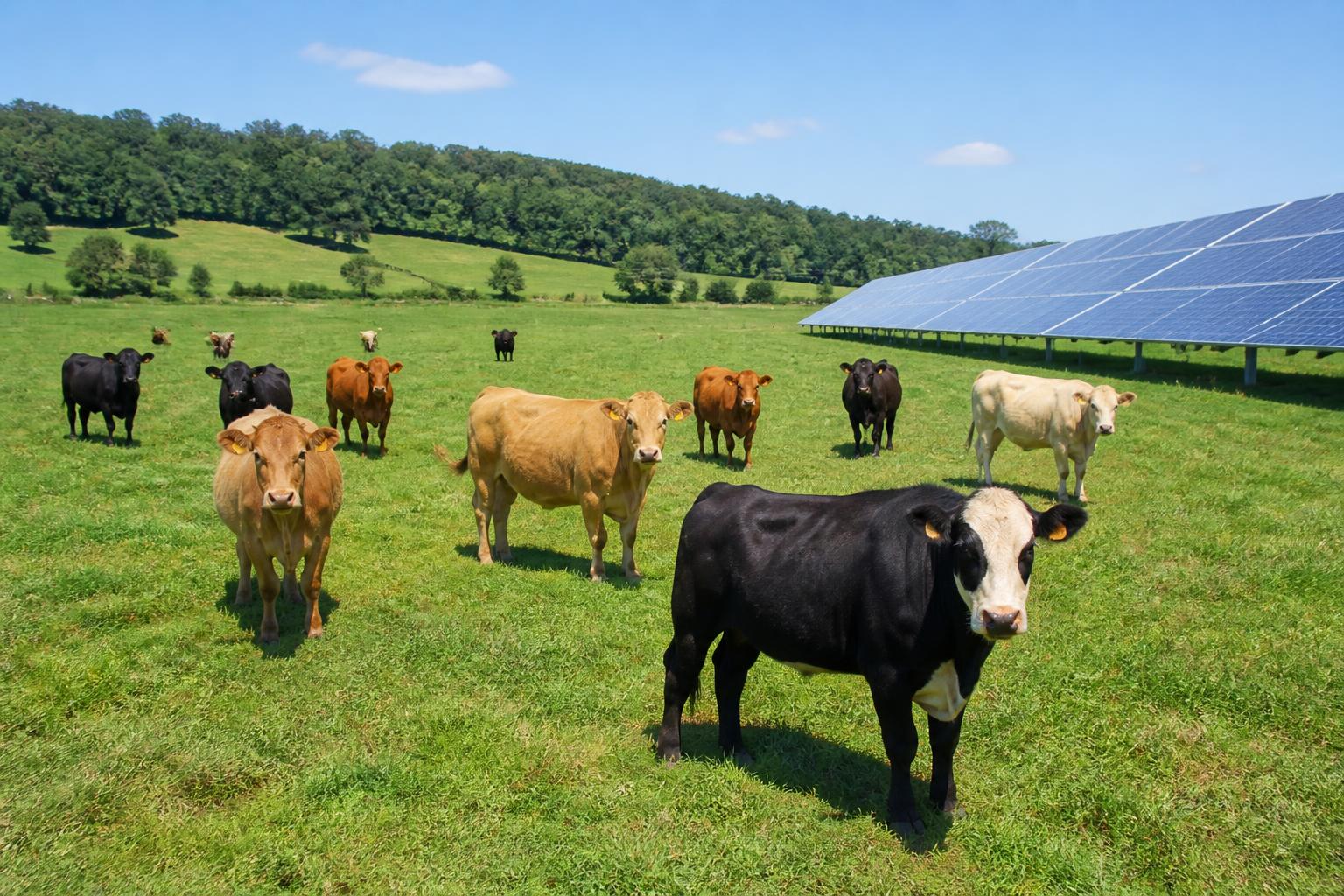
Technological advancement is not limited to chemical applications. Innovations in solar energy integration, such as adjustable panels that respond to physical proximity, underscore the broader move toward automation in agricultural settings. While direct field application remains the core of the business, staying informed on operational efficiencies helps growers keep an edge against unpredictable seasonal stressors.
Looking Toward Future Policy
While field activities occupy the immediate schedule, the regulatory horizon is also evolving. Discussions regarding the 2026 Farm Bill are underway in Washington, with state lawmakers actively engaging in the process. These legislative developments will likely influence long-term input efficiency and operational frameworks for Tennessee agribusinesses in the coming seasons.
What it means for the market
For Tennessee producers, the current season emphasizes a dual focus: hands-on field management to protect yields and high-level attention to pending federal policy changes. By leveraging current crop protection tools while preparing for future farm bill adjustments, growers can maintain better stability in an evolving market environment.
Comments
No comments yet - be the first to share your take.