
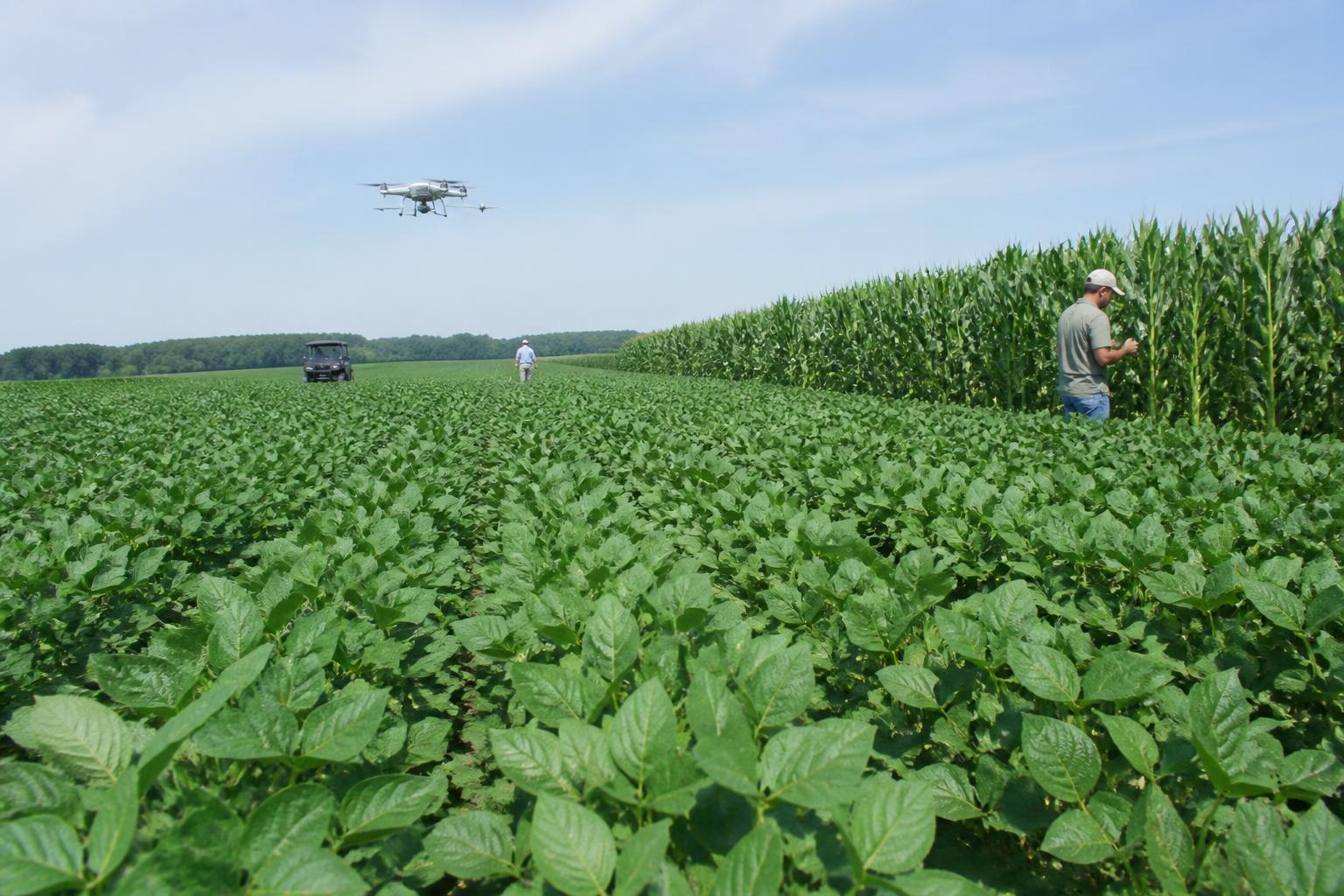
Mid-season in North Carolina often brings a critical window for crop protection as producers manage pest pressures and monitor dryland crop health. With regional staples like soybeans and corn at pivotal growth stages, growers are increasingly looking at ways to integrate both traditional inputs and modern biological solutions to safeguard yield potential.
The integration of innovative pest control tools is becoming a focal point, as industry developments highlight a shift toward biological products. As noted in recent agricultural infrastructure discussions, North Carolina growers must frequently balance weather-related risks with new technology adoption to maintain operational resilience across the state's diverse acreage.
Adapting to Input Market Dynamics
Managing the bottom line remains essential, especially as input prices exhibit varied trends. Recent market observations indicate that while certain fertilizers like urea have seen downward pressure, other essential nutrients remain at slightly elevated levels. For local agribusinesses and farm managers, this necessitates a careful review of crop input spending as they approach the later stages of the growing season.
The push for greater efficiency is also driven by the state's significant demand for feed grains, which supports its substantial livestock industry. When navigating grain market volatility, local producers often find that optimizing yield through proactive crop protection is a vital hedge against the fluctuating costs of feed and supplies.
Integrated Protection Strategies
Beyond traditional chemical applications, the industry is seeing a rise in interest regarding living pest control tools. These biological alternatives are gaining traction as practical options for growers seeking sustainable, long-term management of common regional pests. By diversifying protection toolkits, North Carolina farmers may find more flexibility in managing both current crop performance and long-term soil health.
What it means for the market
For the North Carolina agribusiness community, the current environment emphasizes the importance of balancing input costs with high-tech solutions. As we move further into summer, prioritizing data-driven protection strategies and staying agile in response to input market fluctuations will be key to protecting margins as harvest approaches.
Comments
No comments yet - be the first to share your take.