
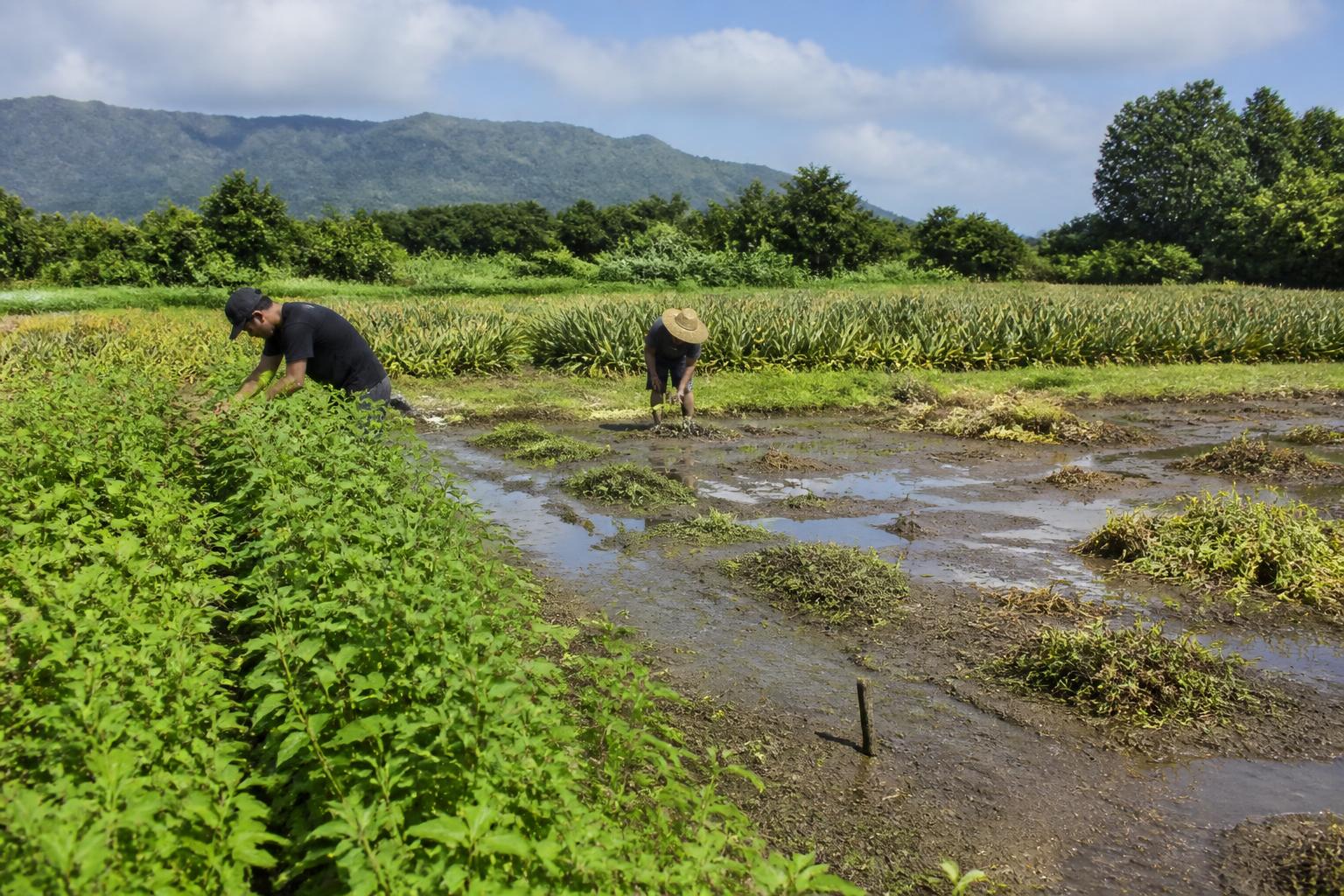
Agriculture in Hawaii is currently navigating a period of significant environmental and operational uncertainty. Recent weather events, described by some as some of the most severe in two decades, have disrupted production cycles across the islands, leading to noticeable shortages in local vegetable supplies at various markets. These conditions remind growers of the constant need to prioritize resilient farming practices to buffer against the increasingly unpredictable climate patterns impacting Pacific agriculture.
The Evolving Regulatory Landscape
Beyond the challenges in the field, producers are grappling with shifts in legislative and oversight priorities. Discussions regarding pesticide enforcement and product regulation have become focal points for many in the industry, reflecting a broader tension between ensuring safety standards and maintaining operational flexibility for local farms. As state-level stakeholders continue to debate the reach of enforcement power, farmers remain vigilant about how these policies might alter their input management strategies.
Technology and Sustainability Initiatives
Despite these hurdles, there is active interest in leveraging new tools to bolster productivity. Initiatives involving advanced analytics, including partnerships with space agencies and technology firms, are being explored to help local growers optimize output. Furthermore, the push for clean fuel standards and updated climate policies underscores a state-wide effort to modernize the agricultural infrastructure, aiming to secure a more sustainable future for Hawaii's diverse crop sectors.
What it means for the market
For grain handlers, distributors, and agribusiness partners, the current climate suggests a tightening supply chain for local produce, likely resulting in sustained price volatility. With regulatory frameworks in flux and environmental resilience testing the limits of traditional growing methods, stakeholders should anticipate potential shifts in operational costs and a heightened emphasis on supply chain transparency to meet evolving consumer and legislative requirements.
Comments
No comments yet - be the first to share your take.