
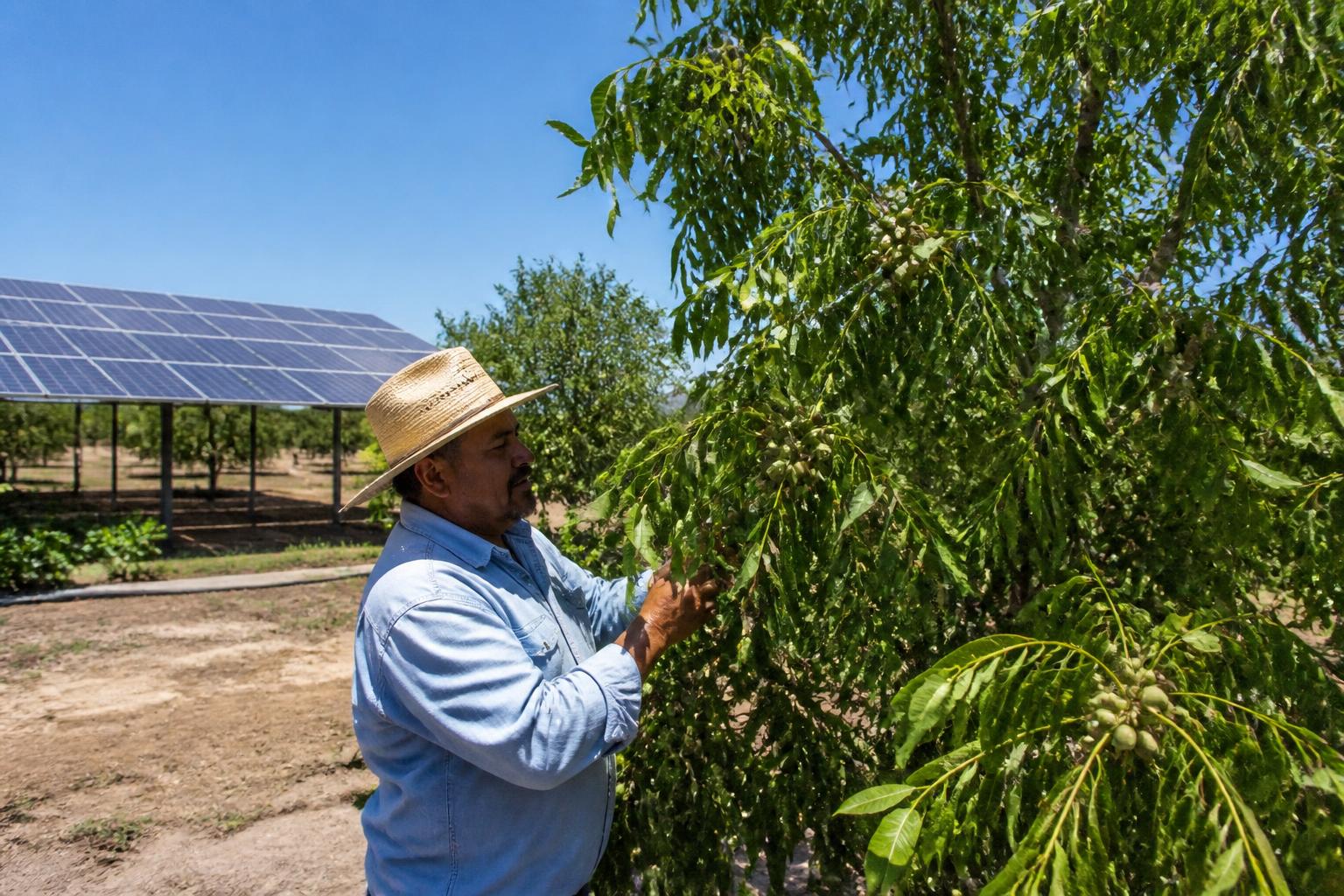
Mid-summer in Arizona brings the typical intense thermal challenges that define the state's growing season. For growers, the ongoing focus remains on balancing input efficiency with the realities of a resource-constrained environment. Whether managing pecan orchards or maintaining cotton yields, producers are increasingly turning to site-specific strategies to navigate seasonal stressors.
Adapting to Water and Nutrient Realities
Managing soil fertility remains a cornerstone for maintaining Arizona's agricultural output. As nutrient costs, including urea, remain subject to global market volatility, many operations are tightening their nutrient management plans. By focusing on precision application, growers aim to optimize plant health while mitigating potential losses in the field.
Research into crop resilience is also making headway. Innovations such as identifying specific root cells that aid seedling survival in drought-battered soils offer a long-term look at how logistics and biological solutions can intersect to support the state's diverse agricultural sectors. These scientific advancements are increasingly vital as rural farmers adjust to shifting water availability and regulatory scrutiny across the state's major farming regions.
Innovative Infrastructure and Field Protection
Beyond soil management, some growers are exploring infrastructure adjustments to protect crops from extreme temperatures. The use of solar panels to shade fields has emerged as a dual-purpose strategy; it can provide critical heat protection for sensitive crops while simultaneously generating energy for farm operations. This trend, combined with the ongoing management of heat-related logistical hurdles, underscores the proactive nature of Arizona's agricultural community.
Key Takeaways:
- Producers are prioritizing precise nutrient application to hedge against fluctuating fertilizer market costs.
- Emerging agricultural technologies, including solar shading and advanced crop genetics, are becoming essential tools for arid-land resilience.
- Logistical operations continue to adapt to mid-summer environmental pressures, with a focus on maintaining stability in the supply chain.
What it means for the market
The current market environment reflects a shift toward high-efficiency farming. For agribusinesses and input suppliers, the emphasis on resource conservation suggests a continued demand for products that enhance water-use efficiency and soil health. As the industry faces ongoing regulatory and climate-related considerations, the ability to maintain yield stability through technology and adaptive management will likely define the competitive edge for local growers through the remainder of the season.
Comments
No comments yet - be the first to share your take.