
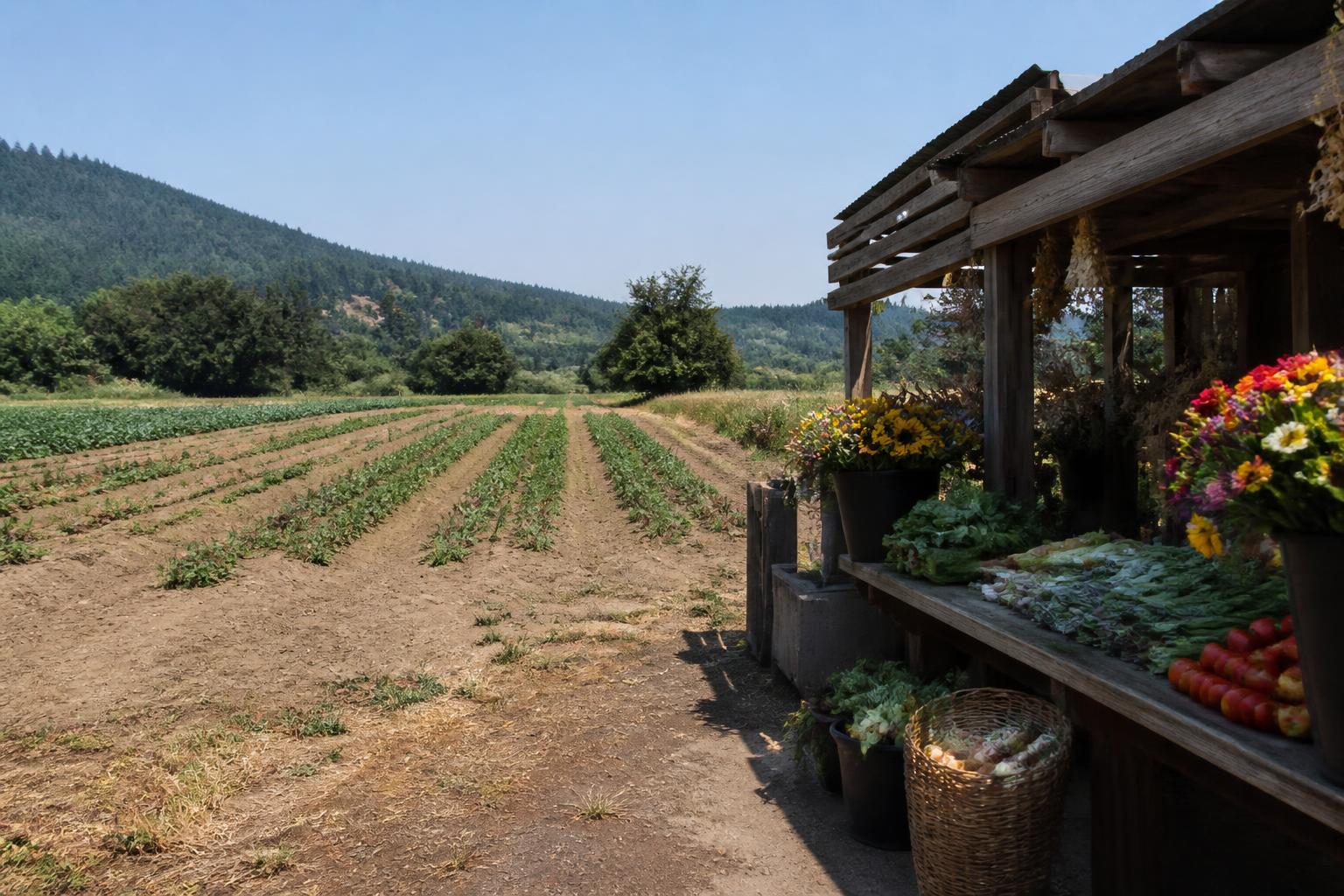
Managing Heat and Environmental Pressures
As the state enters the final stretch of the summer, Oregon farmers are navigating a complex environment defined by record heat and persistent drought conditions. These environmental stressors can significantly heighten the risk of crop loss, pushing growers to prioritize protective strategies that secure yield potential heading into the harvest season. Maintaining soil moisture and carefully monitoring irrigation schedules remain vital, particularly as crop protection and late-season field management become the central focus for regional operations.
Advancing Integrated Pest Management
The reliance on modern, science-based solutions is growing as producers deal with diverse biological threats. Recent research from Oregon State University highlights innovative approaches, such as the discovery of specific nematodes capable of mitigating damage from invasive slug populations. Integrating these biological control methods into standard operational protocols may help preserve crop integrity without increasing reliance on heavy chemical interventions, offering a more sustainable path forward during high-stress months.
Building Resilience Through Policy and Innovation
Beyond field-level interventions, the broader agricultural landscape in Oregon is seeing a renewed focus on legislative and technical support. Discussions surrounding the protection of farming rights and regional resources are gaining traction, reflecting the need for a stable environment where producers can invest in equipment and technology. Whether through upgrading machinery for precision applications or engaging with new extension specialists, the ability to pivot and adapt to changing regulatory and climatic conditions remains the hallmark of successful regional agribusinesses.
What it means for the market
Producers should continue to emphasize the integration of adaptive technologies and local research to mitigate the current heat-driven volatility. As input costs and environmental risks fluctuate, focusing on defensive crop management—specifically prioritizing biological pest controls and efficient resource allocation—will likely offer the most reliable path to protecting margins throughout the remainder of the summer season.
Comments
No comments yet - be the first to share your take.