
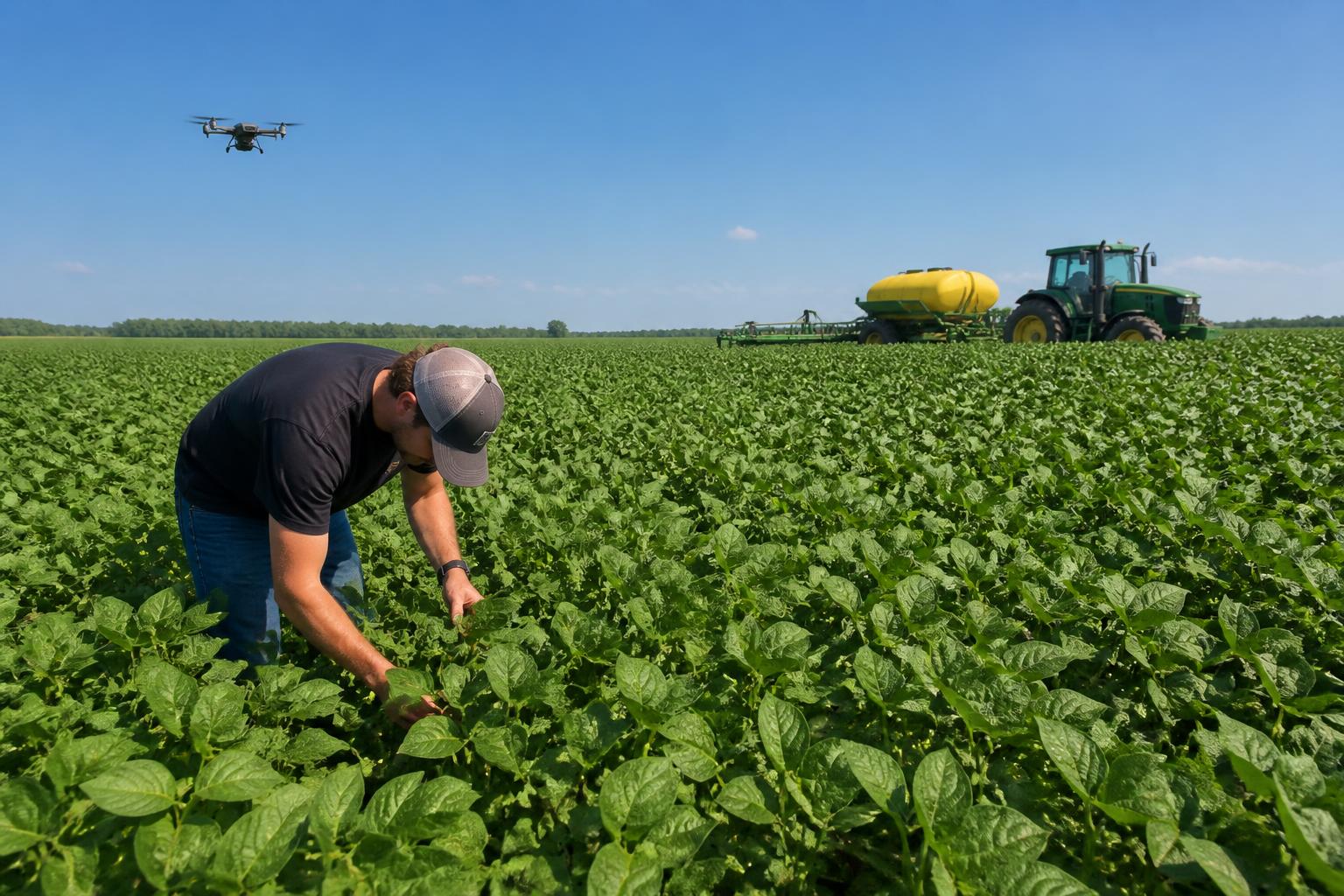
As we move through the heat of late August, Delaware farmers are shifting their focus toward final-stage crop management. While summer field operations typically center on monitoring for late-season pests and disease, the recent confirmation of tar spot within the state has elevated the need for precise scouting and swift, informed decision-making.
Protecting yield potential requires a thorough understanding of how regional environmental factors can influence crop health. For those looking to refine their approach to field maintenance, it may be beneficial to review strategies for monitoring spotted lanternfly pressures or assessing overall environmental risks that could impact your bottom line. Integrating these insights into your current field practices is a standard step in ensuring a productive close to the season.
Adapting to Emerging Pathogen Pressures
The appearance of tar spot in local fields acts as a reminder that pathogen mobility and weather patterns are variables that demand constant attention. Growers are encouraged to coordinate with local agronomists to determine if fungicide applications remain effective or if cultural practices can help mitigate further spread. Maintaining clean equipment and monitoring drainage across varied acreage can also be instrumental in reducing pathogen buildup.
Logistics and Resource Management
Beyond disease management, the late summer window remains a critical time for coordinating agricultural logistics. Whether you are prepping storage for upcoming harvest or looking to optimize transport workflows, understanding how to manage summer supply chain flows is essential for maintaining margins. Reliable transport and input management are the foundations that allow Delaware's agricultural sector to remain resilient amidst fluctuating market pressures.
What it means for the market
The current confluence of disease management, logistical planning, and shifting input costs suggests that proactive risk mitigation is the primary driver of profitability for the remainder of the 2026 season. By staying informed and maintaining rigorous field hygiene, producers can better position themselves to absorb unexpected environmental challenges and capitalize on late-season growth.
Comments
No comments yet - be the first to share your take.