
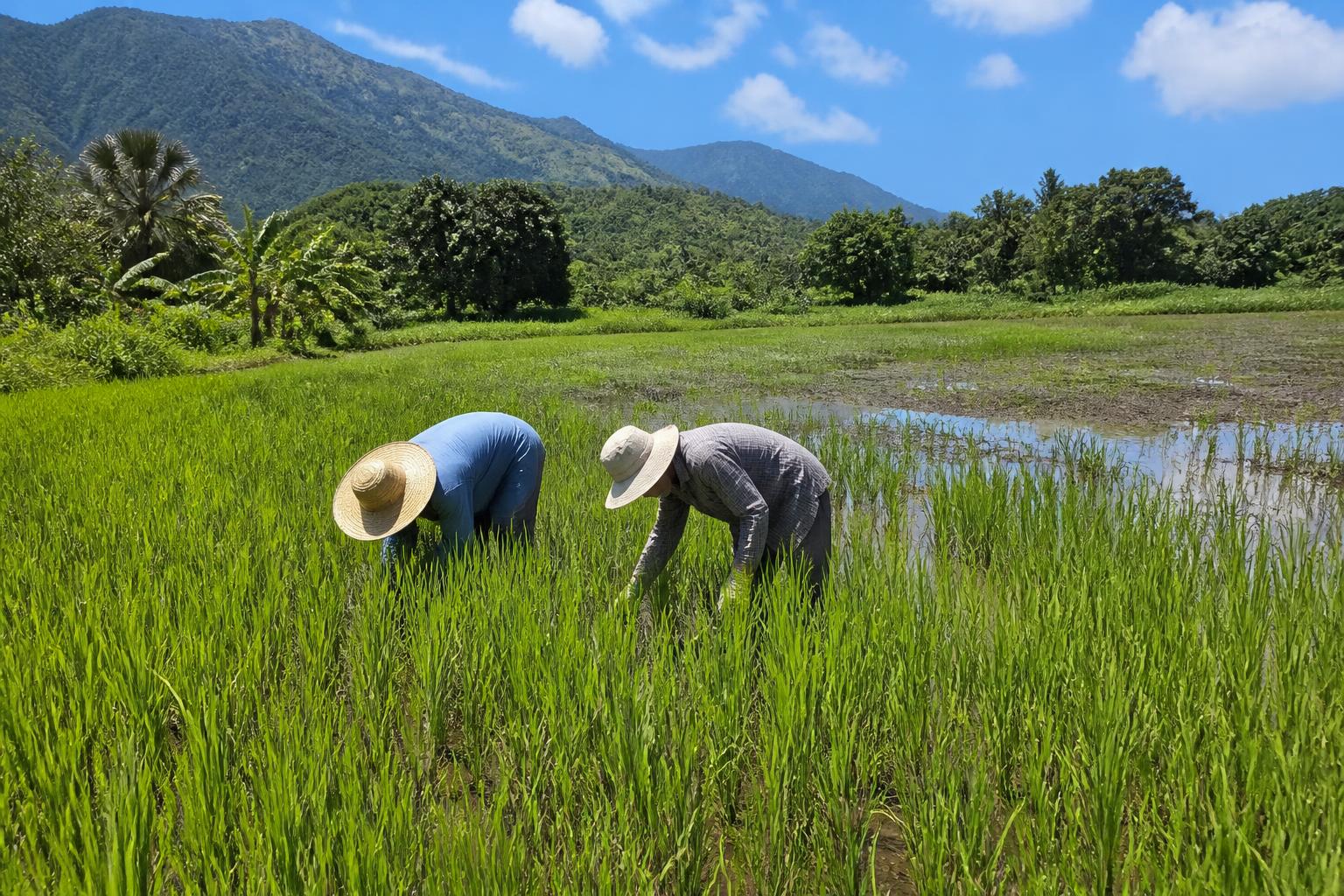
For producers across the Hawaiian Islands, this summer period serves as a critical juncture for managing both crop health and supply chain consistency. Farmers are increasingly finding that the integration of local sourcing initiatives remains a focal point for agribusinesses looking to stabilize their market presence against the backdrop of external economic pressures. As operations in regions like the Big Island and Oahu adapt to changing conditions, many growers are prioritizing efficiency in their output to meet the nuanced needs of local distribution channels.
Managing Environmental and Operational Risks
The agricultural landscape in Hawaii is often defined by its vulnerability to extreme weather patterns. Producers are keenly aware that managing water resources and land resilience is vital, particularly when navigating the unpredictable nature of tropical weather cycles. Ongoing discussions regarding biosecurity and climate-related adaptation highlight the necessity for robust planning among small and large-scale operations alike. These risks can influence everything from planting schedules to the availability of fresh produce at regional markets, making the ability to pivot quickly a key skill for today's Hawaii farmer.
Logistics and Market Development
Beyond the field, the movement of agricultural goods remains a core component of the state's economy. Whether it involves the distribution of specialty crops or supporting emerging sectors like sustainable fuel precursors, the logistics network must remain agile. The interest in clean energy standards and the rejuvenation of historic crop varieties signal a shifting, yet persistent, effort to diversify the state’s agricultural portfolio. For those involved in the transport and handling of goods, maintaining steady throughput while addressing fluctuating supply volumes is paramount to maintaining viable market links.
What it means for the market
The current agricultural climate in Hawaii underscores a shift toward higher resilience and strategic local production. Farmers and agribusiness owners should focus on strengthening their supply chains and leveraging local demand for high-quality, homegrown products. As the state continues to refine its agricultural governance and infrastructure, those who prioritize sustainable practices and diversified market access are likely to be best positioned for long-term stability.
Comments
No comments yet - be the first to share your take.