
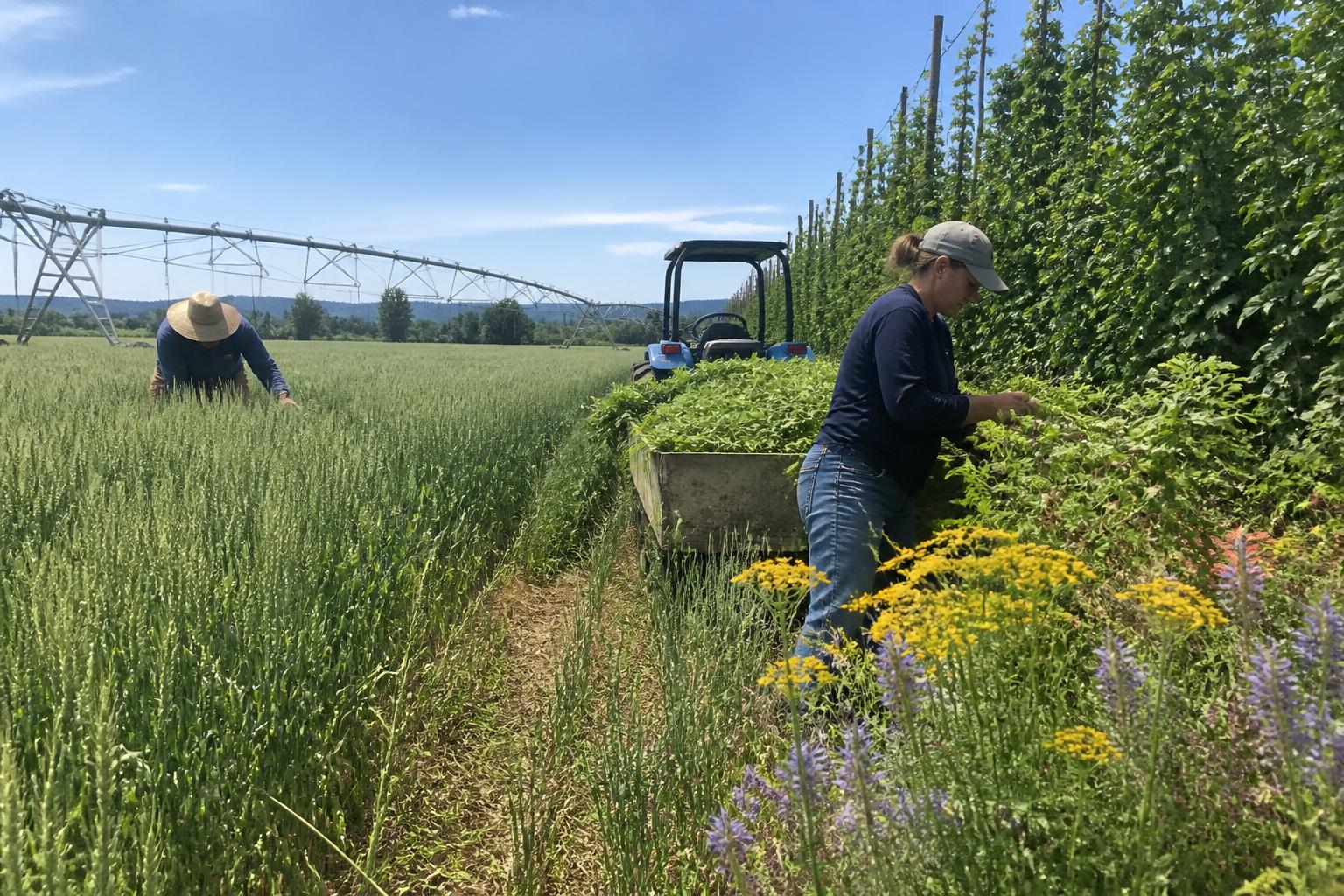
Oregon growers are currently navigating a shifting landscape for field protection, as state regulatory oversight continues to influence cropping decisions and management strategies. With ongoing restrictions on specific crops in certain regions, such as the persistent prohibitions on canola in parts of Central Oregon, producers are increasingly forced to prioritize alternative rotations and specialized monitoring to ensure soil health and maintain market viability.
The push for modernization remains a central theme, as irrigation districts across the state work to improve infrastructure reliability. These upgrades are not just about water efficiency; they serve as a foundation for broader crop resilience initiatives. Effective field protection and market stability measures are becoming increasingly essential as producers contend with the dual pressures of regulatory compliance and the need to mitigate biological threats to high-value harvests.
Integrated Management and Emerging Trends
As the growing season moves toward late stages, the adoption of new technologies for pest mitigation continues to gain momentum. Recent advancements in monitoring for damaging fruit flies and other regional pests offer promising tools for farmers looking to reduce reliance on broad-spectrum applications. Additionally, as industry interest in specialized crops like hops continues to thrive on the back of regional craft beer demand, the need for precise, localized field protection strategies has never been higher.
Field management is also seeing a shift toward more sophisticated data-driven approaches. Many Oregon family farms are voicing concerns over proposed state rules, creating a need for clear communication and agile planning. This environment encourages growers to lean on extension services and regional trials, such as recent successful wheat variety tests in the Klamath Basin, which provide valuable, actionable data for future planting seasons.
What it means for the market
For agribusinesses and local handlers, these challenges reinforce the value of supply chain transparency and regional cooperation. As regulations tighten, the premium for traceable, sustainably managed crops may continue to rise. Market participants should monitor how irrigation infrastructure investments and local regulatory decisions shift acreage allocation, as these factors will likely dictate grain and produce availability for the upcoming winter storage and spring planning windows.
Comments
No comments yet - be the first to share your take.