
Market Infrastructure and Co-op Expansion
Minnesota agribusiness continues to see significant consolidation and strategic realignment as harvest approaches. Recent corporate moves, including the intent of major regional players to integrate operations, highlight a broader industry focus on streamlining local ag infrastructure. For grain handlers and producers, these shifts in cooperative networks often signal changes in logistical efficiency and storage capacity as the state prepares for potential record yields.
Innovations in Fertilizer Supply Chains
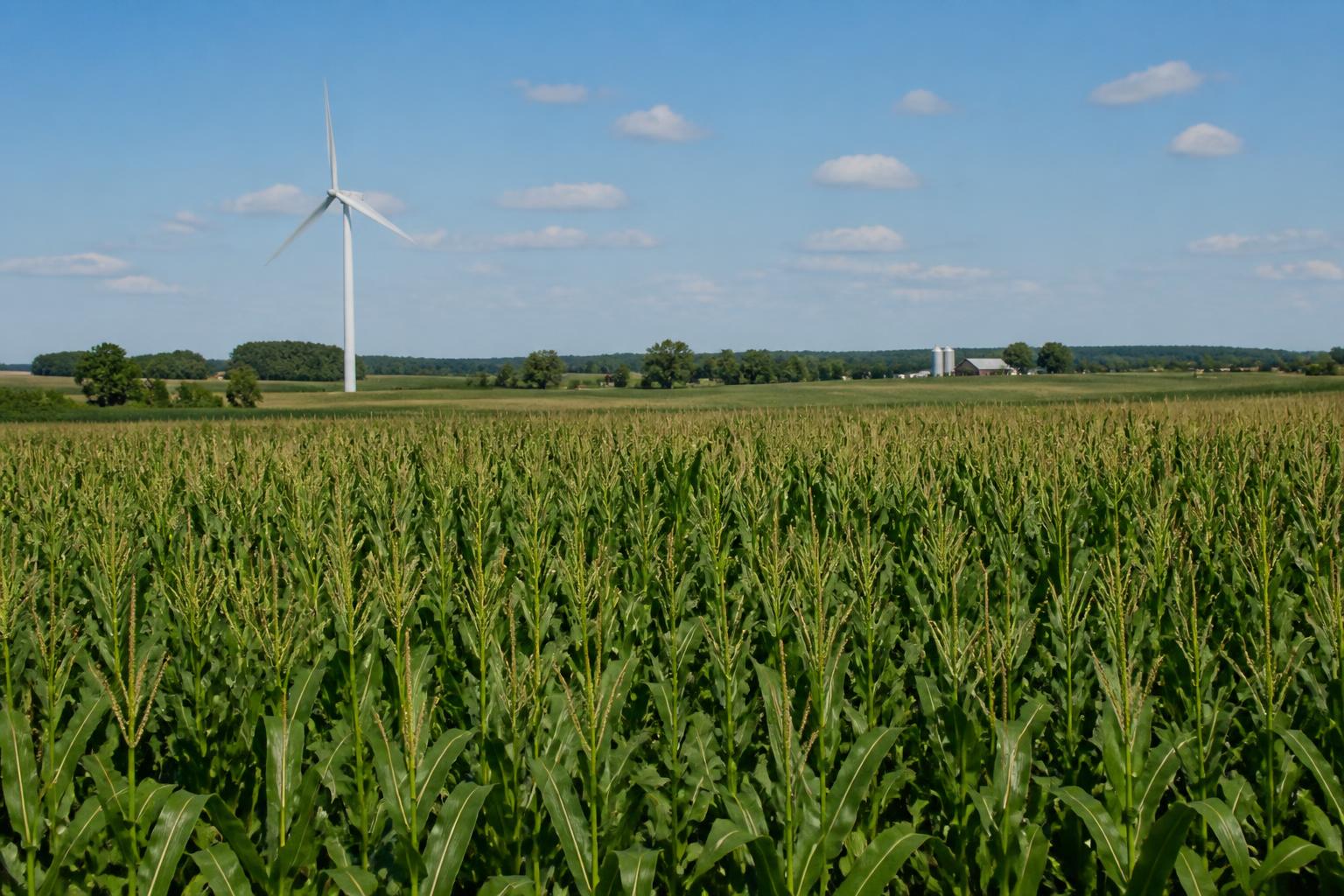
Fertilizer volatility remains a consistent pressure point for producers across the Upper Midwest. Recent developments, such as localized projects in communities like Morris, are testing the viability of turning air and water into nitrogen-based nutrients using wind energy. These initiatives represent a localized hedge against global supply chain disruptions. As growers evaluate supply chain shifts, integrating these emerging, hyper-local inputs may offer a potential buffer against price spikes tied to international trade tensions and energy markets.
Logistics and Market Resilience
While the state looks toward a strong harvest season, grain logistics remain sensitive to broader geopolitical events. Uncertainties surrounding international transit routes and their impact on global export demand continue to influence price volatility. In Minnesota, producers and carriers are monitoring these developments closely as they manage bin space and coordinate transport to local elevators and river terminals. Maintaining flexible storage options and clear communication with logistics providers is essential as the late summer season matures and harvest activity ramps up.
What it means for the market
Farmers and agribusinesses should prioritize strengthening ties with local cooperative networks, which are increasingly centralizing to improve handling efficiency. Furthermore, with fertilizer inputs facing ongoing price instability, exploring local or biological nitrogen alternatives can offer long-term cost benefits. Monitoring local storage availability now is a critical step for preparing for the projected high-yield harvest.
Comments
No comments yet - be the first to share your take.