
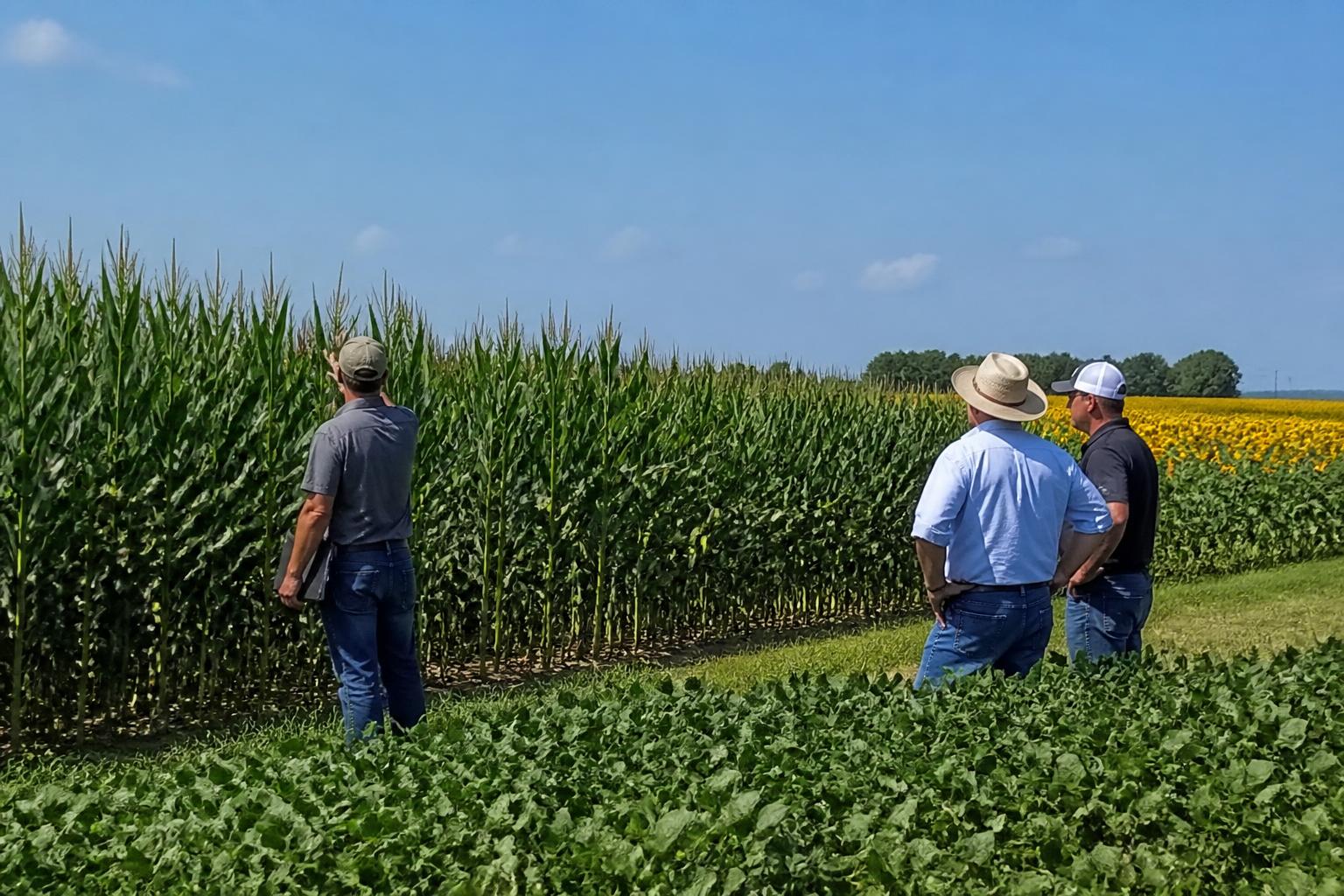
As Indiana operations move deeper into the summer transportation window, logistics managers are reminded to prioritize compliance with the state's updated oversize and overweight vehicle regulations. Staying ahead of permitting requirements is essential for grain handlers and equipment transport providers looking to avoid unnecessary delays during this high-activity season.
Effective management of these regulatory shifts often requires a proactive approach to fleet planning and route coordination. Whether moving specialized harvesting equipment between counties or coordinating bulk shipments, understanding current legal weights and dimensional allowances remains a critical component of successful mid-summer operational agility. Given the complexity of regional transport corridors, operators may find that coordinating early with state authorities helps streamline movement across key agricultural shipping lanes.
Managing Seasonal Logistics
The transition through late August into early fall typically marks a shift in traffic patterns across the state. In addition to regulatory oversight, operational shifts in supply chain management often dictate how efficiently goods move from regional elevators to larger processing centers. For those managing grain storage or feed movement, these changes underscore the need for precise scheduling to mitigate bottlenecks that can occur when machinery and heavy loads share arterial roads.
What it means for the market
For Indiana producers and carriers, the combination of regulatory updates and heavy seasonal volume requires increased diligence. By integrating these compliance measures into daily load planning now, agribusinesses can reduce the risk of logistical friction, ensuring that essential products and machinery stay on schedule throughout the remainder of the summer months.
Comments
No comments yet - be the first to share your take.