
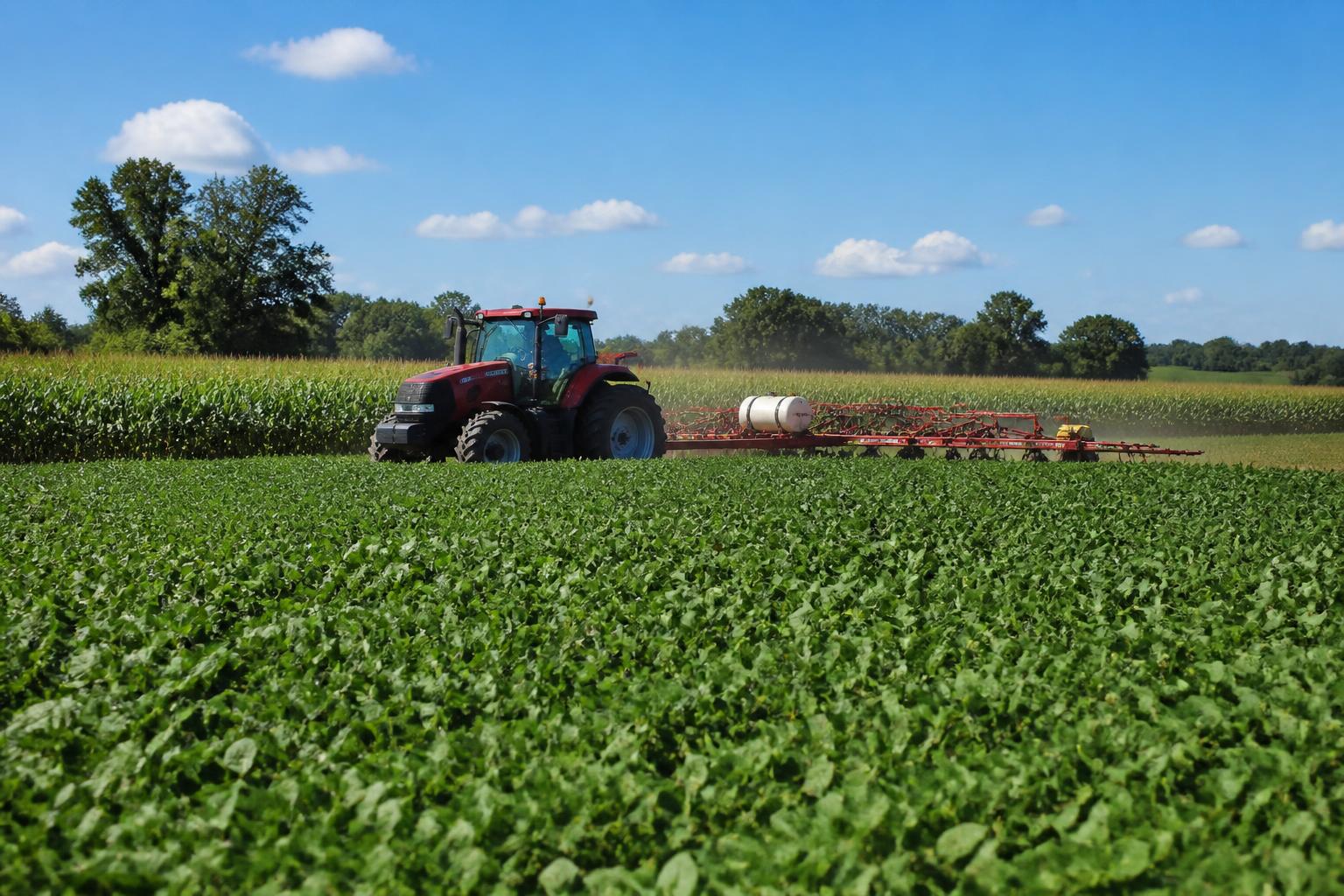
As August draws to a close, Massachusetts agricultural producers are evaluating the final stages of the growing season. With harvest preparation underway, the focus has shifted toward refining operational efficiency and managing critical inputs effectively. For many operations, the current window provides a vital opportunity to assess crop health and finalize storage infrastructure before the autumn surge.
Building climate resilience remains a top priority for regional growers as they navigate seasonal weather patterns. Producers are increasingly relying on localized data to inform decision-making, whether it involves monitoring soil moisture or adjusting input applications to maximize yields. This emphasis on precision is helping local agribusinesses maintain stability despite broader market fluctuations.
Refining Input Strategies and Logistics
The pursuit of efficiency often leads to significant operational gains. Many farmers in the state have found that investing in equipment upgrades or optimizing existing machinery can lead to substantial increases in field productivity. When navigating grain storage and processing, ensuring that systems are well-maintained is essential to preventing bottlenecks during peak harvest weeks. For logistics, maintaining clear communication with regional partners remains a key strategy for keeping supply chains moving.
Adapting to Evolving Market Demands
Agribusinesses across Massachusetts continue to monitor broader trends in technology and resource management. By staying informed about market shifts, growers can better position themselves to mitigate risks associated with volatile input costs. Proactive management of fertilizer and fuel reserves can often serve as a buffer, allowing farm managers to focus on crop output rather than supply chain disruptions.
What it means for the market
For the Massachusetts agricultural sector, the current market climate rewards proactive planning and a focus on operational efficiency. As harvest nears, farmers who prioritize the maintenance of their storage facilities and continue to adopt data-driven input practices are likely to see better control over their bottom line. Maintaining agility in response to regional environmental conditions and supply chain signals will be the defining factor for success as producers transition into the final quarter of the year.
Comments
No comments yet - be the first to share your take.