
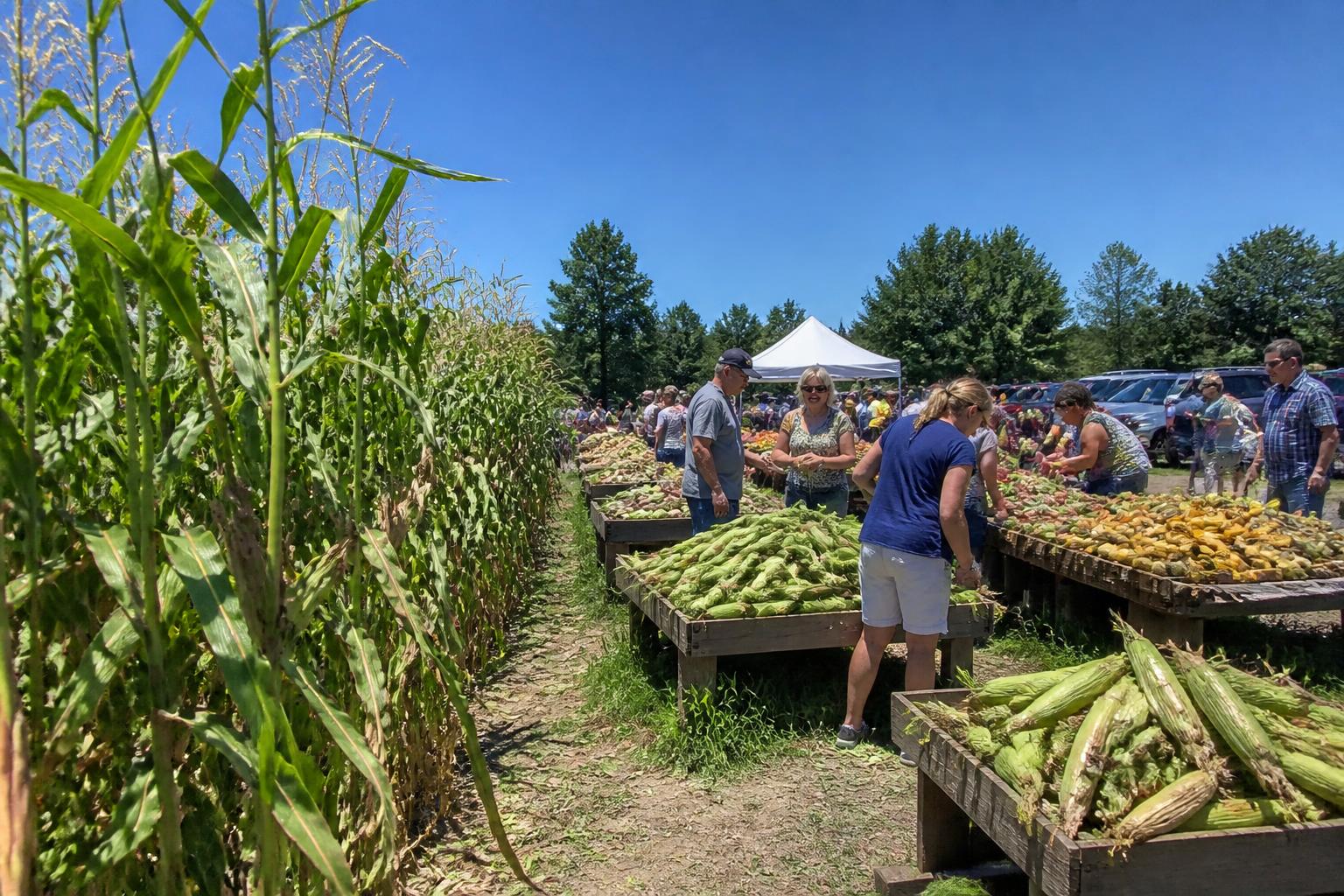
Rhode Island agriculture continues to demonstrate its resilience and regional importance as the late-summer harvest shifts into high gear. From the fertile fields of Burrillville to the diverse operations along the SouthCoast, farmers are currently managing the influx of peak-season crops while assessing the long-term viability of their land holdings.
For those managing local agribusinesses, the current environment presents a unique mix of opportunity and caution. While shifting land values and logistics continue to influence decision-making, the recent successful efforts to secure permanent agricultural status for legacy properties are providing a much-needed anchor for the state's rural economy.
Preservation and Market Stability
The recent commitment to protect key farm properties from commercial development is a vital development for producers focused on long-term operations. By transitioning land into open space for agricultural use in perpetuity, the state is helping to stabilize the cost of entry for the next generation of growers. This long-term approach to land efficiency serves as a counterweight to the national trend of record-high farmland values, allowing local farms to better plan for capital investments.
Logistics in a Seasonal Peak
As growers move high-demand seasonal produce to market, transport logistics remain the heartbeat of the operation. Whether navigating state corridors or coordinating with local farm stands, efficiency remains the priority during the busy summer months. Understanding the nuances of late-summer transport can help producers reduce bottlenecks that often arise when demand for fresh local harvest peaks simultaneously across the region.
Key Takeaways
- Permanent land protection initiatives are providing a foundation for future agricultural security.
- Record-high national farmland values continue to necessitate creative land-use strategies.
- Logistical planning during the height of the harvest is essential for maintaining thin margins.
What it means for the market: For producers and grain handlers in Rhode Island, the current period underscores the need for localized, proactive planning. While national commodity trends and input costs often dominate headlines, the specific strength of the local market lies in protecting existing acreage and optimizing the movement of goods during these peak summer windows.
Comments
No comments yet - be the first to share your take.