
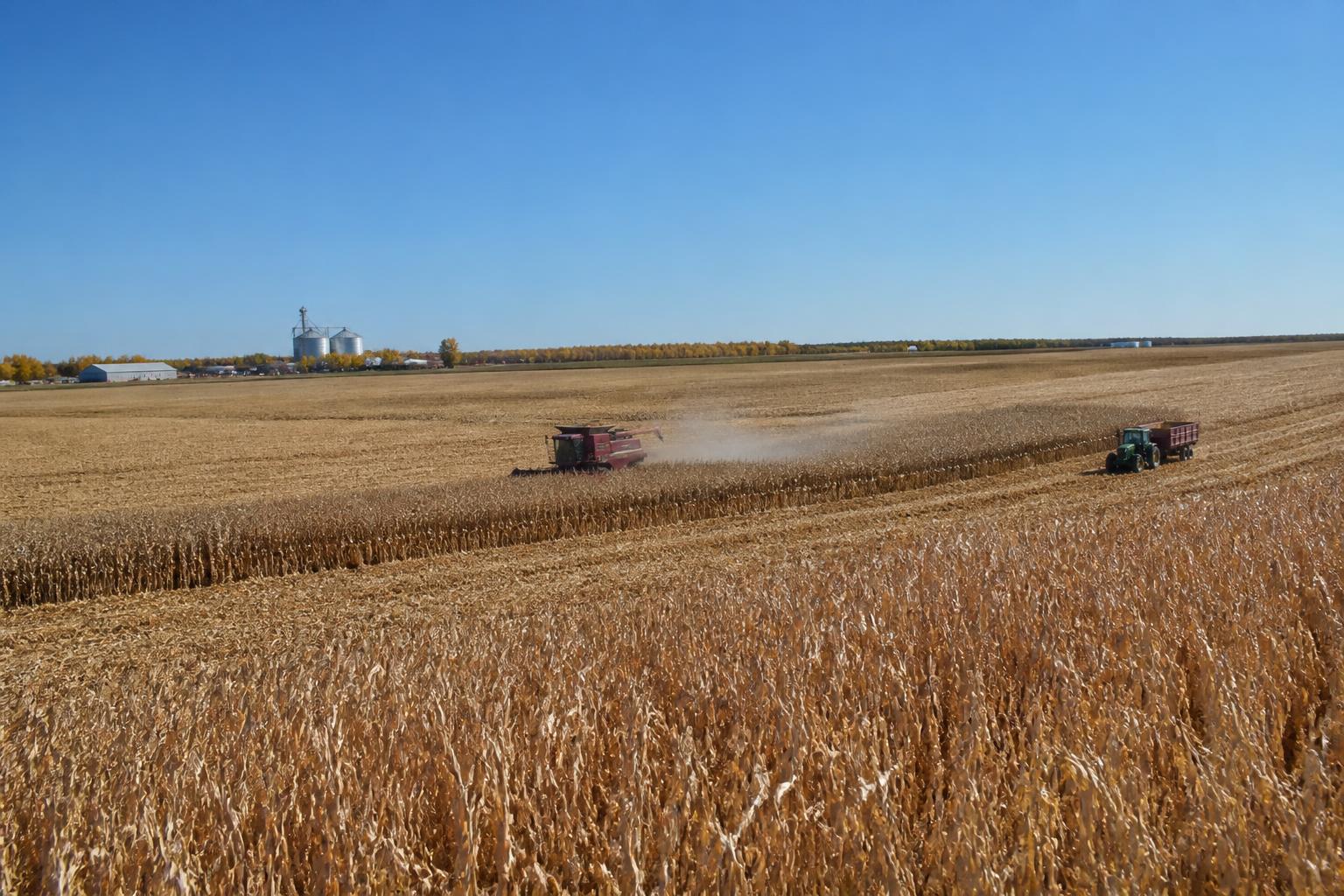
As the Nebraska harvest season accelerates, agricultural producers across the state are shifting their focus from field management to the complexities of logistics and market navigation. Recent reports indicate that while producers are readying equipment and storage, emerging biological threats are necessitating a more cautious approach to yield estimates and post-harvest handling.
The rapid spread of tar spot in corn fields has become a primary concern for growers, potentially impacting final harvest quality and overall profitability. Monitoring the progression of this disease is critical, as it may influence storage decisions and grain conditioning needs once fields are cleared. For many, this adds a layer of complexity to an already busy season, requiring heightened attention to grain quality before it reaches local elevators.
Navigating Market and Logistical Constraints
With grain markets showing significant volatility, farmers are evaluating their storage options against current cash bids. Effective grain logistics management remains the backbone of a successful season, particularly as seasonal volume peaks and creates bottlenecks at local receiving points. Many producers are looking for ways to optimize their transport routes to avoid the typical delays often seen on high-traffic corridors during the peak of September activity.
Furthermore, staying ahead of regional infrastructure shifts is essential for timely delivery. Producers who maintain flexibility in their supply chains often find themselves better positioned to weather price fluctuations and localized service outages. Ongoing developments in harvest logistics and regional infrastructure underscore the need for early planning and consistent communication with haulers and end-users.
What it means for the market
The convergence of disease-related yield risks and market-driven storage strategies points to a complex fall. Producers who prioritize early testing, proactive disease management, and efficient flow strategies are likely to better preserve margins. As the season progresses, market participants should remain agile, adapting their sales and movement plans as localized harvest data becomes available and regional transportation capacity is tested.
Comments
No comments yet - be the first to share your take.