
As the harvest season reaches a critical point across Oregon, producers are finding that traditional field management practices are being bolstered by a new wave of technological integration. From the rolling hills of the Willamette Valley to the specialized operations in the Klamath Basin, farmers are increasingly looking toward innovation to maintain productivity while navigating complex regulatory updates that impact crop protection.
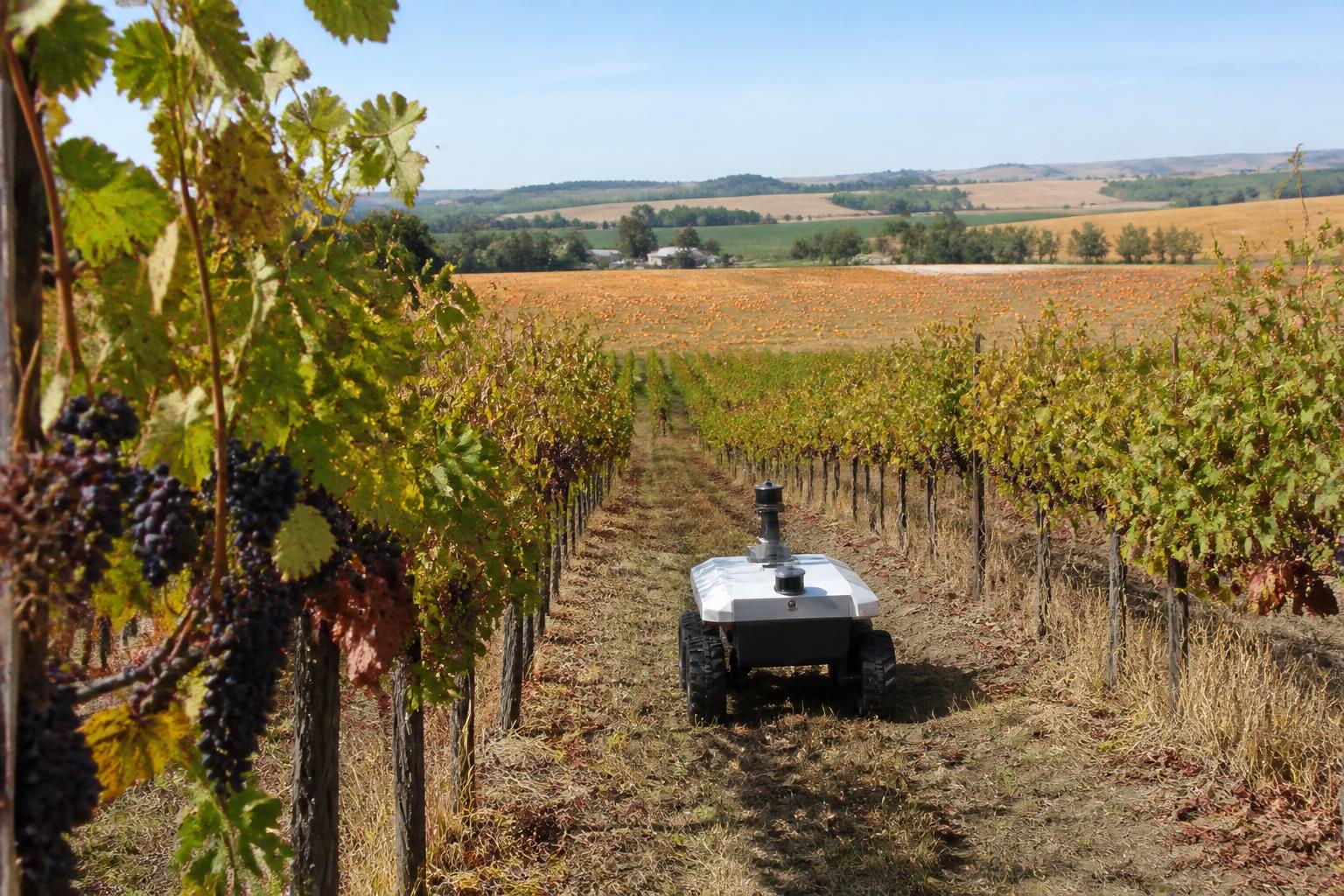
This season, the operational landscape for Oregon growers is defined by a dual focus: long-term soil health and immediate pest mitigation. As regulatory scrutiny over certain chemical applications intensifies, there has been a notable pivot toward mechanical and automated alternatives. Recent developments in field robotics, often described as a digital 'Pied Piper' for viticulture, showcase how producers are using targeted interventions to handle pest populations without relying solely on conventional chemistry.
Investing in Soil and Sustainable Protection
Beyond automation, there is a renewed emphasis on soil biota and structural health. Researchers continue to explore how better soil management can act as a natural defense mechanism against the environmental stressors typical of the Pacific Northwest. In the Klamath Basin, for instance, localized research trials are evaluating how specific crop varieties and soil amendments might offer more resilient performance, providing farmers with options that hold up against both regulatory changes and variable climate conditions.
Data-Driven Efficiency
The role of aerial data collection remains a cornerstone for large-scale operations looking to optimize inputs. Startup activity in the state continues to push the boundaries of how drone technology can provide actionable insights for field protection. By mapping pest outbreaks or nutrient deficiencies with precision, growers can move from blanket applications to site-specific treatments, potentially reducing input waste and lowering the overall burden on the land.
What it means for the market
For Oregon agribusinesses, the takeaway is clear: the integration of smart-farming tools and biological-focused research is no longer just a trend, but a practical response to a constrained regulatory environment. Farmers who adopt these protective measures early may find themselves better positioned to maintain consistent yields as the industry continues to evolve away from traditional reliance on older, more restricted input methods.
Comments
No comments yet - be the first to share your take.