
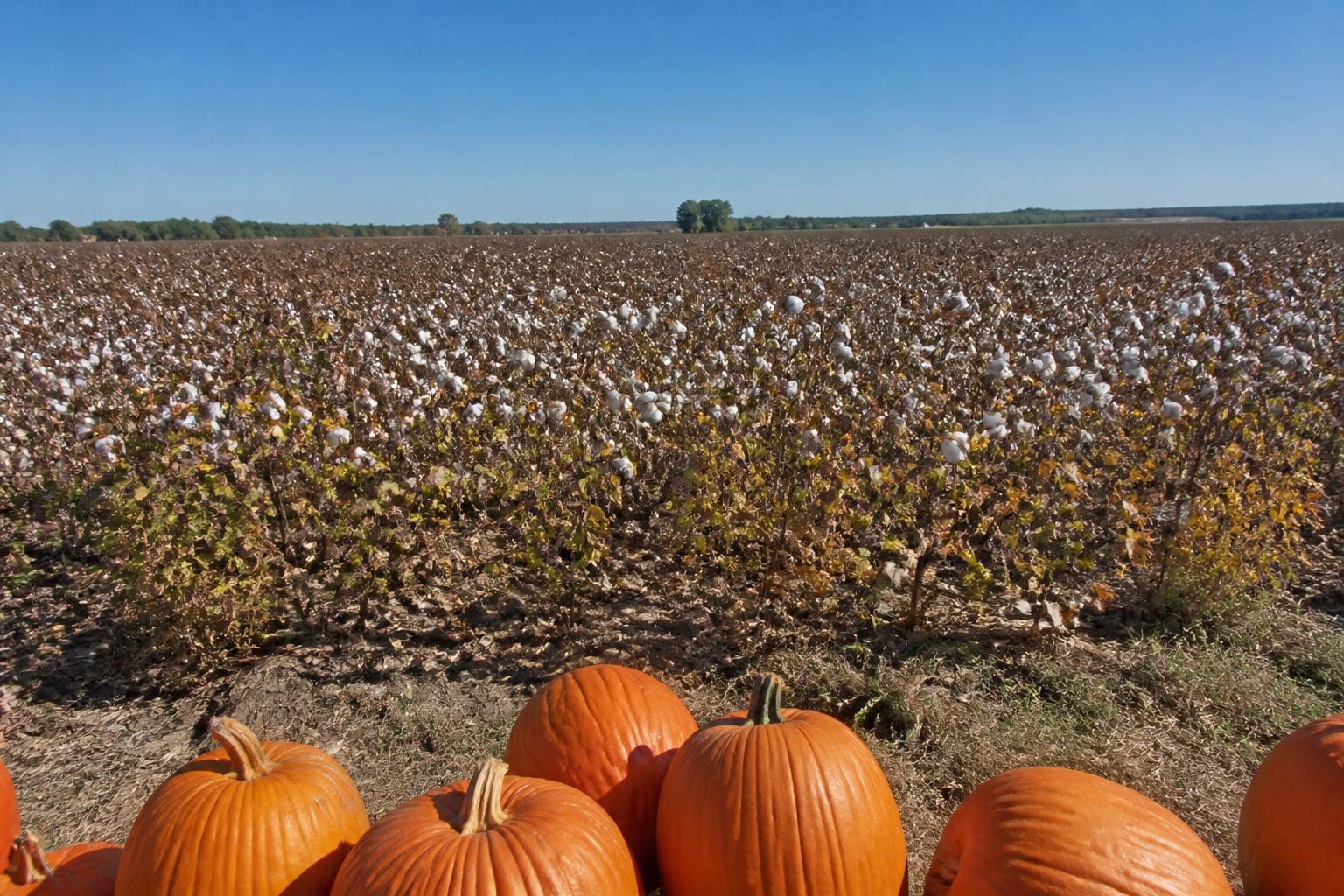
As Texas producers navigate the complexities of the harvest season, state leadership is emphasizing the importance of infrastructure and supply chain continuity. The recent announcement of the AgLink Continuity Grant reflects a concerted effort to bolster the resilience of the state's expansive food and fiber sectors, offering critical support to agribusinesses looking to stabilize their operations amidst shifting market conditions.
For many operations, the current season brings a focus on managing logistical efficiency and input stability. Whether addressing field-level stress in major growing regions or coordinating the movement of commodities through key transport corridors, producers are increasingly looking toward tools that help streamline their supply chains. The introduction of resources like the AgLink grant program can serve as a vital lifeline for those working to maintain steady output while navigating fluctuating economic variables.
Enhancing Operational Stability
Beyond direct production, the focus remains on the broader ecosystem that keeps Texas agriculture competitive. From managing storage constraints during peak harvest periods to evaluating local input availability, agribusinesses are refining their strategies to mitigate the impact of broader market volatility. These efforts, often highlighted in discussions on managing harvest pace and storage limitations, are essential for maintaining a predictable bottom line throughout the autumn months.
Building Resilience in Competitive Markets
As the sector moves further into the fall, maintaining a proactive approach to operational planning remains a priority. Producers and agribusiness managers often evaluate their reliance on middle-tier suppliers and local service providers, seeking ways to reduce friction in their logistical workflows. In many instances, leveraging state-backed resources and regional cooperative networks is becoming a standard practice for those seeking to mitigate risks, similar to the strategies employed when navigating rising input costs and market uncertainties.
What it means for the market
The emphasis on food and fiber resilience suggests that support for localized supply chains will remain a focal point for the remainder of the year. For farmers and grain handlers, this may translate into more accessible pathways for capital, ultimately helping to buffer against unexpected logistical or input-related shocks. Keeping a close watch on these grant timelines and regional distribution programs could prove advantageous for operations planning for the upcoming cycle.
Comments
No comments yet - be the first to share your take.