
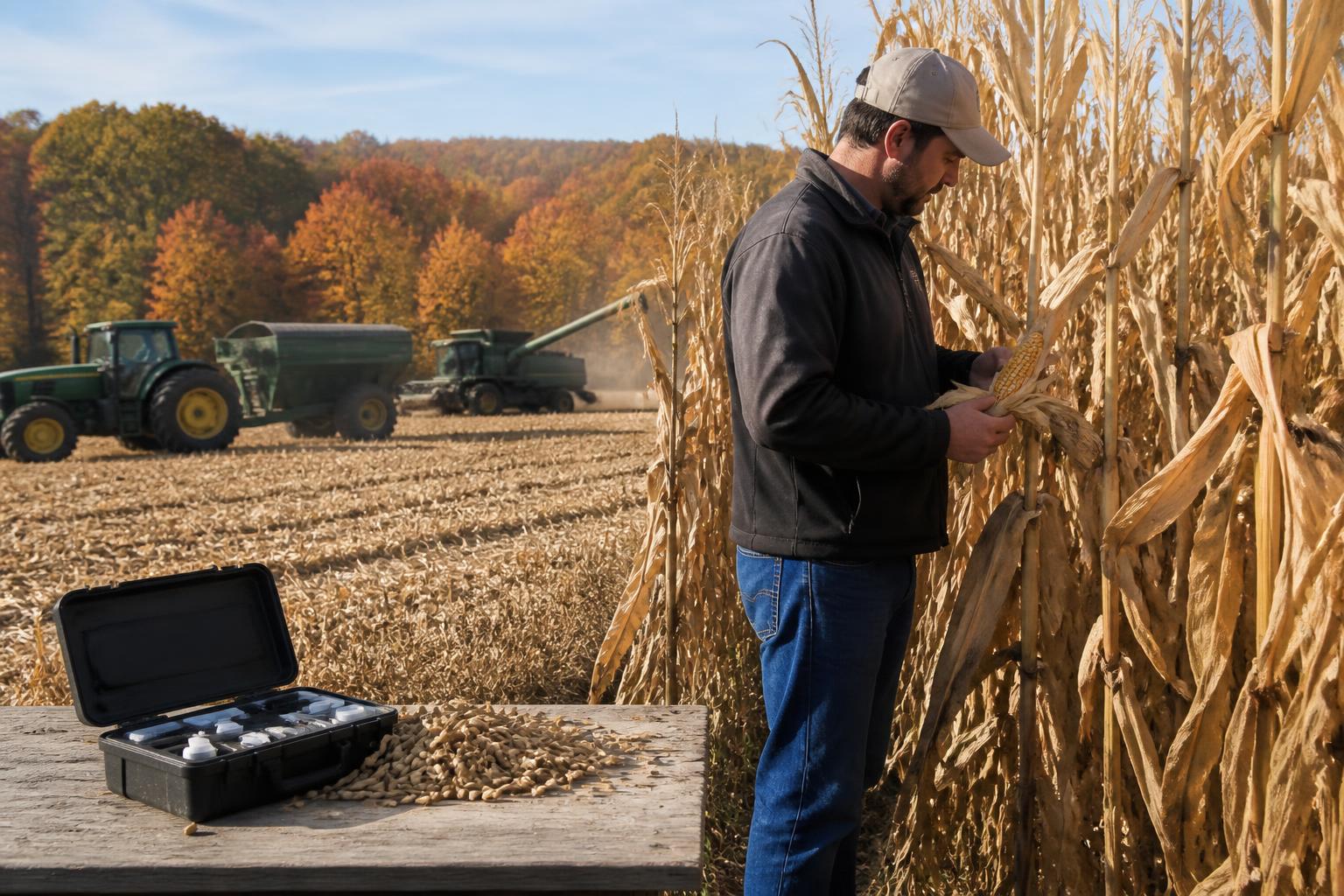
As the Iowa harvest season intensifies, producers across the state are focusing on balancing record crop output expectations with the realities of a shifting commodity market. The prospect of bumper crops often influences local basis levels and storage logistics, requiring farmers to stay agile with their bin space and marketing strategies. This period is critical for managing Iowa crop health and protection as harvest approaches, ensuring that the hard work of the growing season is preserved through to the grain elevator.
Optimizing Logistics and Input Management
With high production volume on the horizon, logistics remain a top priority for regional operations. Beyond moving grain, many producers are turning their attention to post-harvest soil health. For example, expanded soil testing initiatives in select counties offer a practical opportunity to refine nutrient applications for the coming cycle. While debates around input pricing persist, the focus remains on leveraging available data to maintain efficiency.
For those looking to get ahead, proactive planning is essential. Engaging with navigating seasonal pressures in Iowa agriculture can provide valuable context for managing storage and transportation bottlenecks that frequently occur during the peak of the fall rush. Maintaining equipment and scheduling timely transport can help mitigate the stresses of a high-yield season.
Long-Term Strategy and Risk Management
Market volatility is a consistent concern, particularly as global grain stocks and energy policies influence farm revenue. Producers are increasingly using specialized tools to hedge against price fluctuations, often relying on revenue protection programs to stabilize their bottom line. Understanding these instruments is key to sustaining operations in years where market signals are mixed.
Furthermore, as growers evaluate their land assets, some may consider how regional market shifts influence future operations. Consistent observation of local trends, much like those discussed in balancing field management and market shifts in Iowa, provides the necessary perspective to make informed decisions regarding farm expansion or consolidation.
What it means for the market
For the Iowa agribusiness sector, the current environment demands a blend of high-efficiency harvesting and cautious financial planning. While the potential for record yields provides a strong foundation, success will likely hinge on how well producers manage their storage, transport their grain, and navigate the broader economic headwinds that currently define the U.S. agricultural landscape.
Comments
No comments yet - be the first to share your take.