
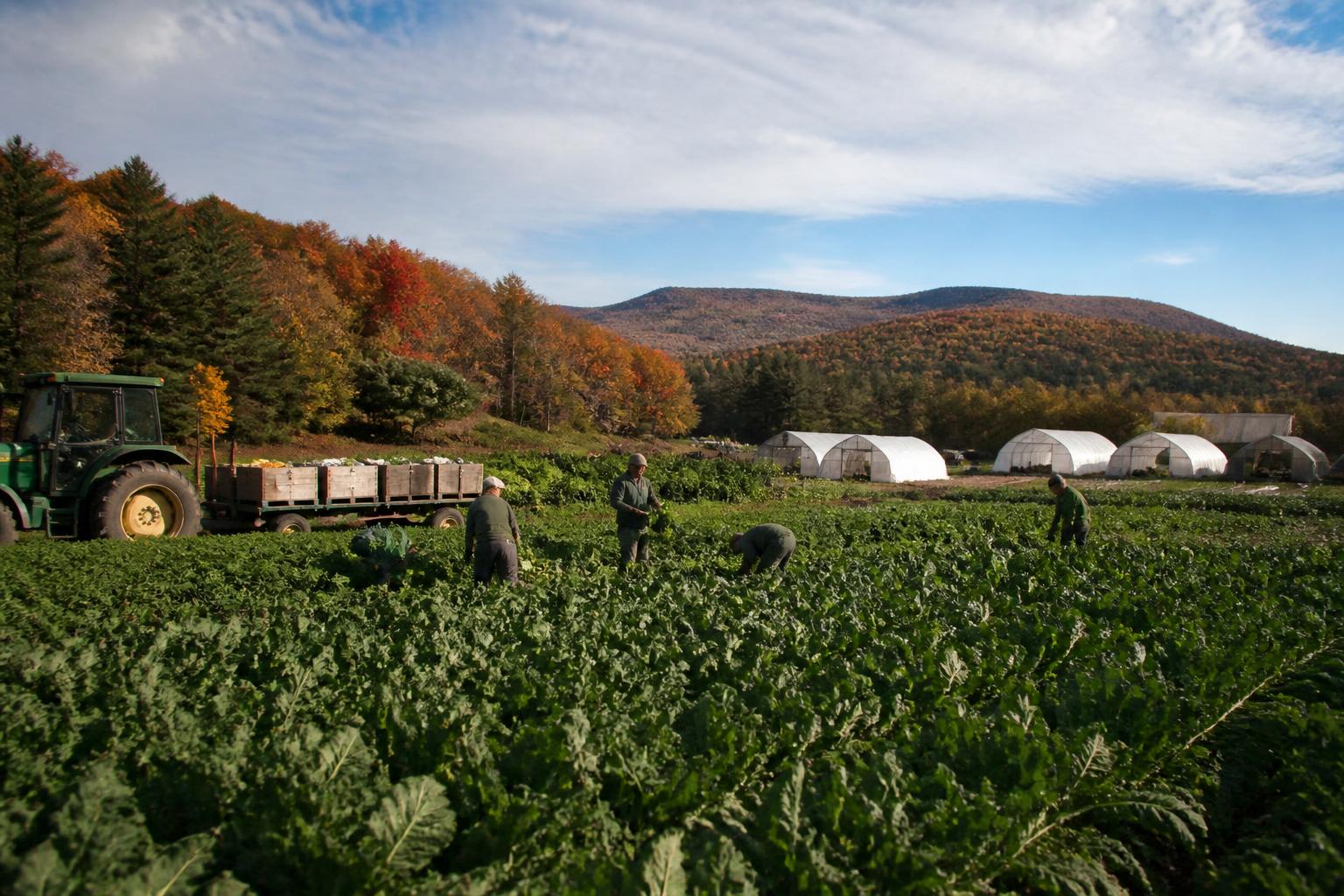
As the fall harvest season gathers momentum across Vermont, producers are balancing the demands of field work with long-term land stewardship requirements. For many operations, the current focus remains on soil health and managing nutrient runoff, particularly as concerns regarding phosphorus levels continue to influence local management practices. Balancing these environmental objectives with production needs is increasingly critical as growers navigate the shift in weather patterns that have impacted the region recently.
For those managing diverse livestock and crop operations, nutrient management often includes considerations regarding the application of farm-derived byproducts on nearby fields. As the state continues to refine programs aimed at rewarding farmers for proactive water quality measures, the intersection of conservation and economic viability remains a central theme for many in the industry. Whether through state-supported incentive programs or independent soil testing efforts, the priority for many agribusinesses is to maintain productive acreage while adhering to regional environmental goals.
Aligning Conservation with Operational Efficiency
In addition to managing nutrient applications, producers are monitoring the health of their land amid the seasonal variability that has become more common in the state. From managing moisture levels in low-lying fields to addressing potential runoff in the Champlain Valley, farmers are utilizing a mix of legacy knowledge and modern conservation tools. This focus on long-term sustainability is not just about environmental compliance; it is about ensuring that the soil remains resilient against the potential for both localized deluges and periods of moisture stress that can complicate the harvest window.
Support for Sustainable Growth
The agricultural landscape in Vermont is bolstered by ongoing research and support networks designed to keep independent operations competitive. Whether investigating new techniques through industry-backed input cost management strategies or participating in regional conservation initiatives, the ability to adapt to shifting environmental and regulatory landscapes is a hallmark of the state's farming community. As operations move through this busy period of the year, these integrated management practices help provide a foundation for future stability.
What it means for the market
For grain handlers, input buyers, and service providers, the emphasis on precise nutrient management creates a specialized demand for technical advisory services and site-specific inputs. As Vermont agriculture leans further into conservation-driven operations, producers who successfully integrate these practices may find themselves better positioned to access emerging incentives, ultimately strengthening the resilience of the local agricultural supply chain.
Comments
No comments yet - be the first to share your take.