
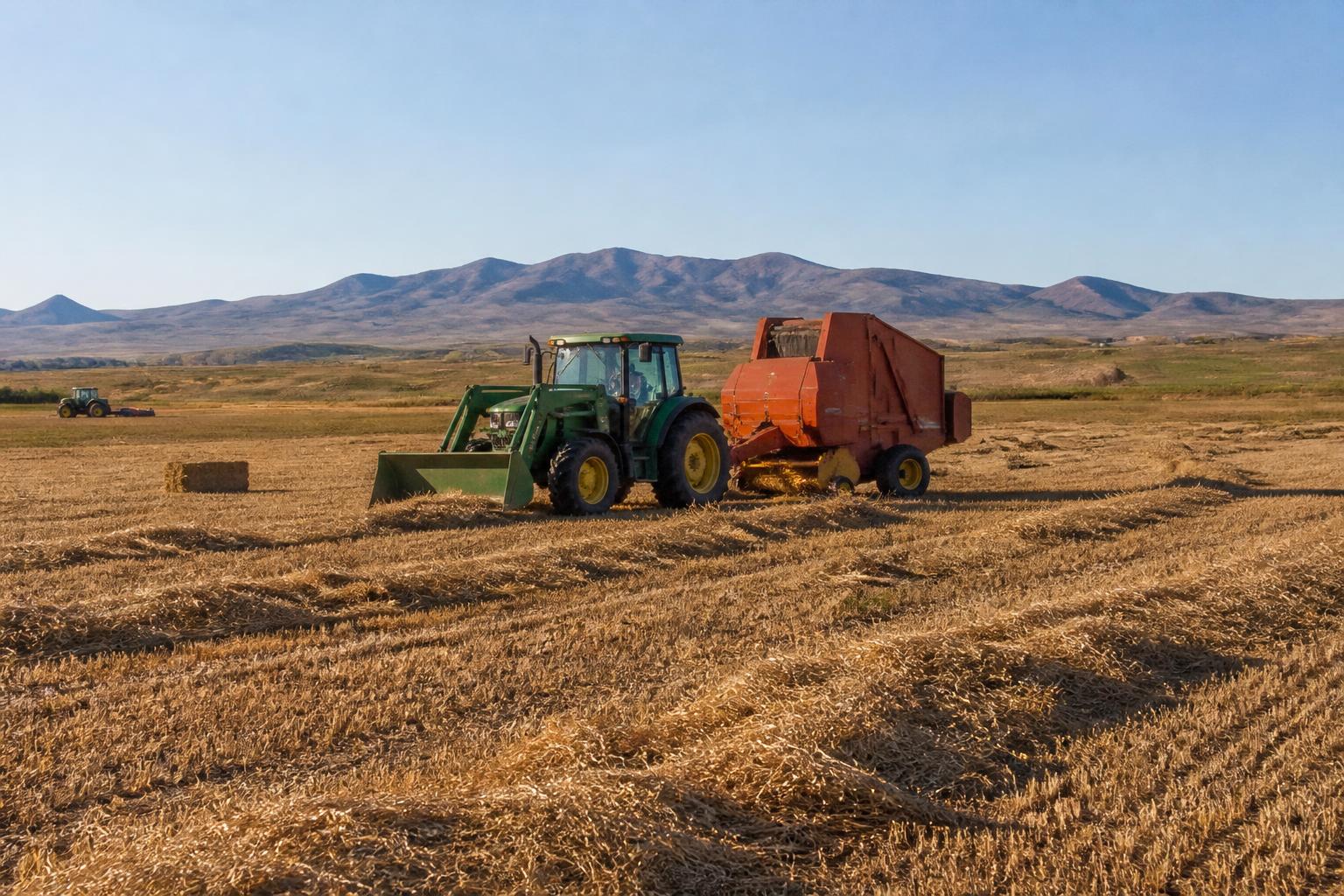
As the fall season takes hold across Utah, agricultural producers are increasingly navigating a complex balance between production demands and the growing focus on land preservation. With development pressures mounting across various corridors, many farmers are exploring options to protect their acreage while considering how federal initiatives, including programs aimed at sensitive land protection, might bolster their operational resilience.
For many in the state, these conservation-focused programs offer a pathway to maintain long-term viability amid uncertain market cycles. By choosing to enroll portions of their land in government-backed stewardship agreements, producers may secure a degree of financial stability that is often difficult to achieve through traditional crop production alone. This shift comes at a time when the broader Utah grain market landscape continues to see operational pressures, forcing many to re-evaluate their seasonal strategies and bottom-line stability.
Adapting to Evolving Economic Realities
The agricultural environment in regions like Northern and Central Utah is not just shaped by soil health and water availability but also by shifting economic factors. Whether it is responding to regional water-sharing incentives for the Colorado River or diversifying into less water-intensive crops, growers are finding that flexibility is essential. This proactive stance is mirrored by a growing interest in protecting agricultural land from rapid urbanization, a trend that could influence land values and future lease opportunities for years to come.
The Role of Sustainable Stewardship
While the focus often shifts to immediate harvest yields during this busy time of year, the integration of conservation planning remains a critical component for farm managers. Utilizing USDA support for drought mitigation and sensitive land management can serve as a buffer against volatile inputs and fluctuating commodity prices. Understanding these input costs and regional market resilience factors allows producers to better position their operations against systemic risks.
What it means for the market: For producers and local agribusinesses, the current focus on land conservation and specialized crop planning signals a shift toward longer-term risk mitigation. While development and water constraints remain constant challenges, the availability of federal support programs provides a necessary framework for maintaining productive agricultural footprints throughout the state.
Comments
No comments yet - be the first to share your take.