
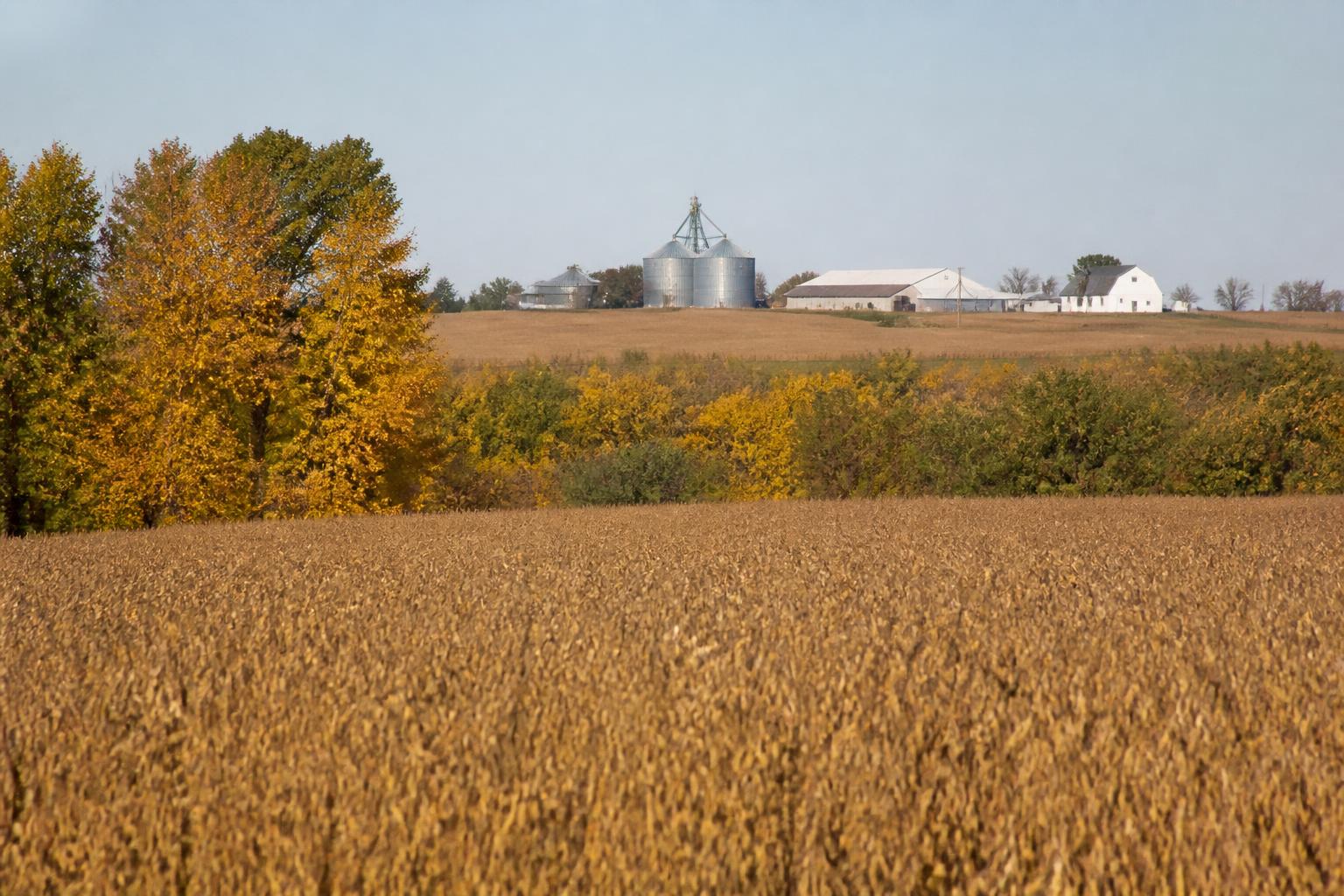
As the fall season progresses across Minnesota, producers are shifting their focus toward final yield assessments and efficient field operations. While regional reports suggest that many areas are anticipating strong production numbers, the logistical and financial pressures of the harvest season require a disciplined approach to crop management and risk mitigation.
For many operations, the current environment underscores the importance of robust insurance coverage. Recent climate volatility has highlighted the disparity in protections available for various commodity types, particularly for specialty and produce growers who may face greater financial exposure during severe weather events. Ensuring that current policy structures align with the realities of modern production is a central theme as agricultural leaders discuss future improvements in federal and private coverage options.
Evaluating Long-Term Financial Security
Beyond the immediate tasks of harvest, the broader agricultural landscape in Minnesota remains focused on land stability and input management. With active farmers maintaining a dominant share in regional land transactions, the importance of maintaining soil health and long-term land productivity is more apparent than ever. Producers continue to balance the rising cost of essential inputs, such as fertilizers, against potential market fluctuations, making efficient resource allocation a top priority for farm management teams.
Prioritizing Operational Efficiency
As equipment begins to move across regional corridors, staying proactive regarding equipment maintenance and seasonal transit is essential. For many, the focus is on minimizing downtime and maximizing the capacity of available grain storage, which remains a tight commodity throughout the state. Integrating modern, data-driven approaches to crop protection and inventory management can provide a significant advantage as producers look to secure their margins in a competitive market.
Ultimately, staying informed about market volatility and evolving regulatory oversight helps Minnesota farmers navigate the complexities of the current agricultural season with greater confidence.
What it means for the market
The combination of localized harvest expectations and ongoing logistical constraints means that operational agility will be the primary driver of success this fall. By prioritizing risk management and maintaining strong ties to market data, agribusinesses and growers can better position themselves to mitigate the impact of unforeseen volatility while capitalizing on a productive growing year.
Comments
No comments yet - be the first to share your take.