
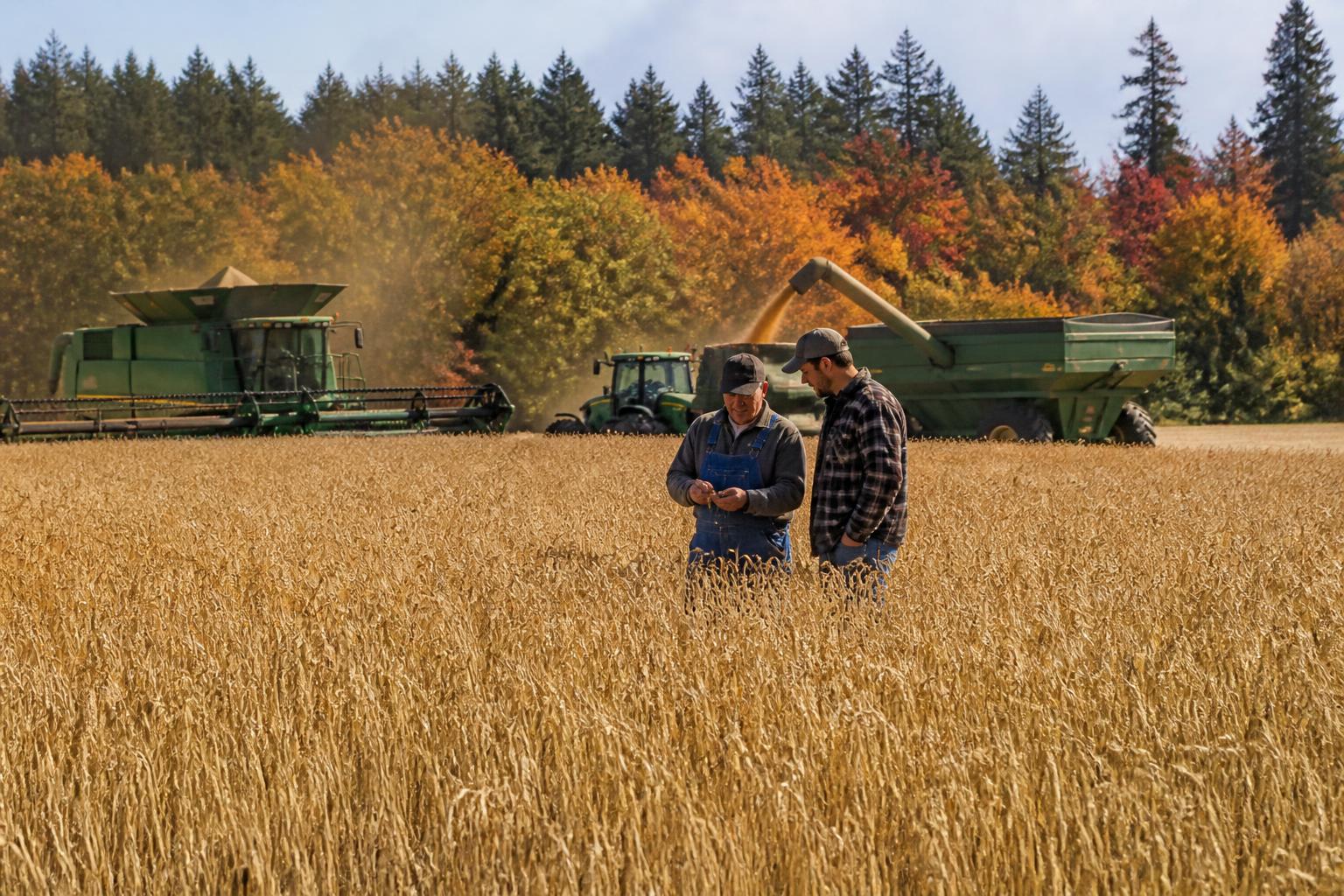
As the fall season progresses in Oregon, agribusinesses are navigating a period of notable structural and regulatory change. Recent shifts in the retail landscape are altering local procurement channels, most notably with the acquisition of Round Butte Seed stores by Wilco, a move that signals continued consolidation within the state's input supply network. For growers in central and eastern Oregon, such transitions often mean re-evaluating long-standing logistics and supply agreements as service providers merge and optimize their regional footprints.
Beyond retail shifts, Oregon producers are contending with complex regulatory and environmental pressures. Legislative efforts are currently exploring the impact of PFAS in fertilizers, while small dairy operations continue to challenge new state-level regulatory burdens in court. These factors, alongside the ongoing necessity of protecting Oregon agricultural land from competing land-use interests such as large-scale solar development, are forcing farmers to adopt more rigorous compliance and advocacy strategies to maintain operational continuity.
Water and Soil Stewardship Trends
Resource management remains a critical theme this season. Despite recent precipitation, water allocation concerns persist in basins like the Klamath, where supplies have not consistently met producer expectations. Soil health management is also under increased scrutiny, with legal challenges highlighting the risks of over-fertilization. These developments suggest that precision in input application and water usage is no longer just a best practice but a fundamental aspect of risk mitigation for Oregon farming operations.
What it means for the market
For Oregon farmers and agribusinesses, the current climate points toward a greater emphasis on operational efficiency and proactive regulatory tracking. As supply chains consolidate and compliance requirements evolve, the ability to adapt to changing service models and environmental standards will likely define profitability. Producers should prepare for tighter documentation requirements regarding soil inputs and land use while maintaining flexibility in their regional logistics partnerships.
Comments
No comments yet - be the first to share your take.