
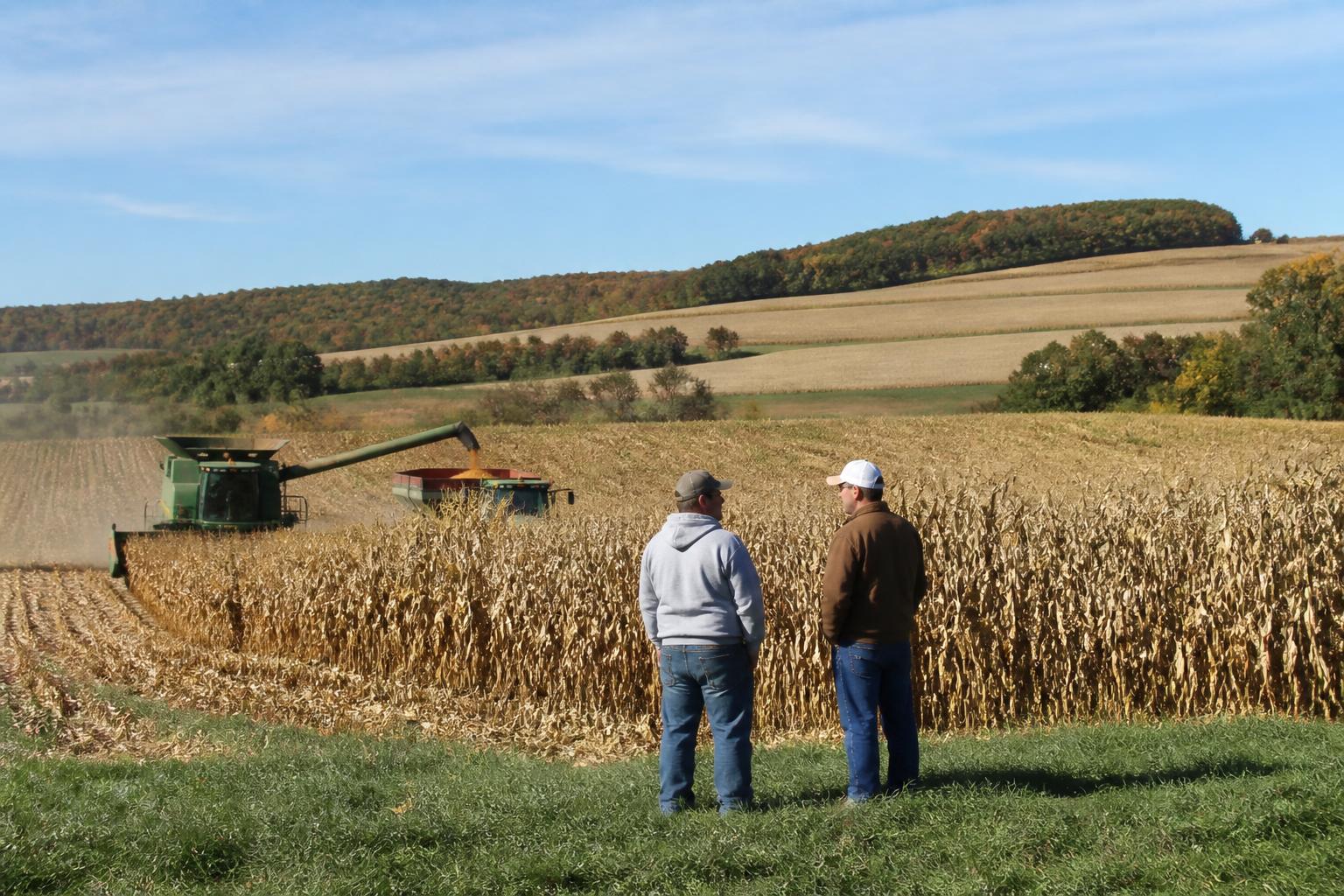
As Colorado producers move through the fall season, the agricultural landscape remains defined by a complex intersection of environmental pressures and fluctuating market indicators. From the high plains to the irrigation-dependent reaches of the river basins, maintaining operational viability has become a central focus for many farm and ranch businesses. The dual pressure of variable weather and broader economic shifts continues to influence planning for the coming production cycle.
Amid these challenges, producers are keeping a close watch on financial relief and policy developments. Federal support mechanisms, such as Price Loss Coverage (PLC) and Agriculture Risk Coverage (ARC-CO), are expected to provide liquidity to a significant number of operations across the state. These programs often serve as a vital buffer against the compounding effects of ongoing drought and recent volatility in input costs, helping to stabilize balance sheets as the fiscal year concludes.
Navigating Market and Operational Risks
The current market environment is further complicated by wider trade dynamics. Tariff-related adjustments have historically impacted input affordability, and local operators are often forced to adjust their purchasing strategies to mitigate rising costs. For many in the Centennial State, this means revisiting crop protection and input strategies to ensure that every dollar spent aligns with potential yields, especially as water resources remain a limiting factor for regional irrigation.
Operational efficiency is also under the microscope as growers manage storage decisions. With grain storage cost management becoming increasingly critical, finding the right balance between immediate sales and delayed marketing requires a precise assessment of current, local basis levels and long-term price outlooks. The ability to pivot based on real-time data is helping some producers navigate the current, often unpredictable, price environment.
Advocating for Long-Term Resilience
Beyond daily market maneuvers, the focus remains on long-term sustainability. Programs aimed at fostering next-generation leadership and technical adoption—such as equipment grants and policy training—are beginning to influence how operations approach modernization. By investing in tools that help manage resource-heavy tasks, producers are attempting to insulate themselves from the labor and environmental constraints that have characterized recent seasons in the Colorado River Basin and beyond. For those looking to optimize their land use, understanding these operational shifts is essential for staying competitive in a tightening market.
What it means for the market
For Colorado producers and agribusinesses, the immediate outlook is defined by a need for lean management. With payments providing some relief, the current priority is likely to be risk mitigation—limiting exposure to expensive inputs while securing adequate storage to wait out short-term price troughs. Staying aligned with state-level policy changes and regional market trends will be key to weathering the challenges that persist through the remainder of the year.
Comments
No comments yet - be the first to share your take.