
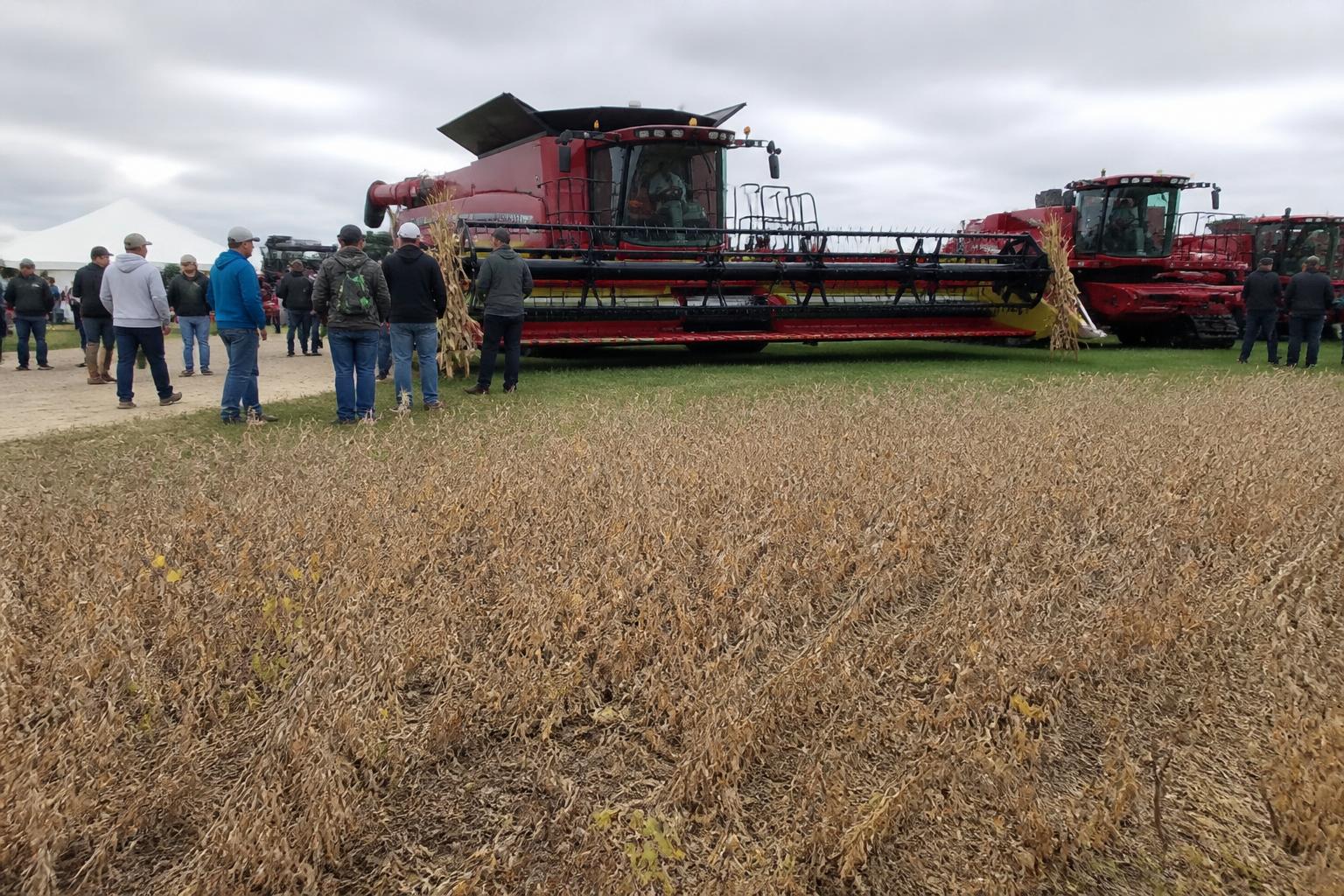
As the fall harvest season progresses, Maine’s agricultural landscape is seeing continued interest in local grain production. Farmers across the state are currently navigating the complexities of field logistics, balancing the requirements of a productive harvest with the ongoing need for efficient crop management. For many operators, this season represents a critical window to assess yields and refine storage strategies as the grain economy in central Maine and beyond continues to evolve.
The growth of the local grain sector often requires careful planning regarding the movement of commodities and the maintenance of essential equipment. Managing assets effectively during the peak of fall harvest operations remains a top priority for elevators and producers alike, who must coordinate closely to avoid bottlenecks in regional transit corridors.
Refining Efficiency in the Field
For those managing the harvest, optimizing harvest strategies as the season moves forward is essential to maintaining grain quality and market viability. Producers are increasingly looking at how they integrate new research into their existing workflows, ensuring that their field output aligns with the demands of local buyers and specialized markets.
Furthermore, staying ahead of potential logistical hurdles is vital. Maintaining machinery, particularly sprayers and transport vehicles, remains a cornerstone of successful harvest management. Whether dealing with small-scale specialty grains or expanding operations, effective stewardship of farm assets ensures that Maine farmers can capitalize on the current market environment while maintaining operational resilience through the winter months.
What it means for the market
The steady expansion of Maine's grain infrastructure signals a commitment to regional food security and agricultural autonomy. While logistics and asset management remain the primary challenges, the ongoing efforts to diversify crops and improve local handling capabilities suggest a robust outlook. Producers who prioritize preventative maintenance and data-driven harvest planning are best positioned to navigate the seasonal shifts and capture value in an increasingly competitive landscape.
Comments
No comments yet - be the first to share your take.