
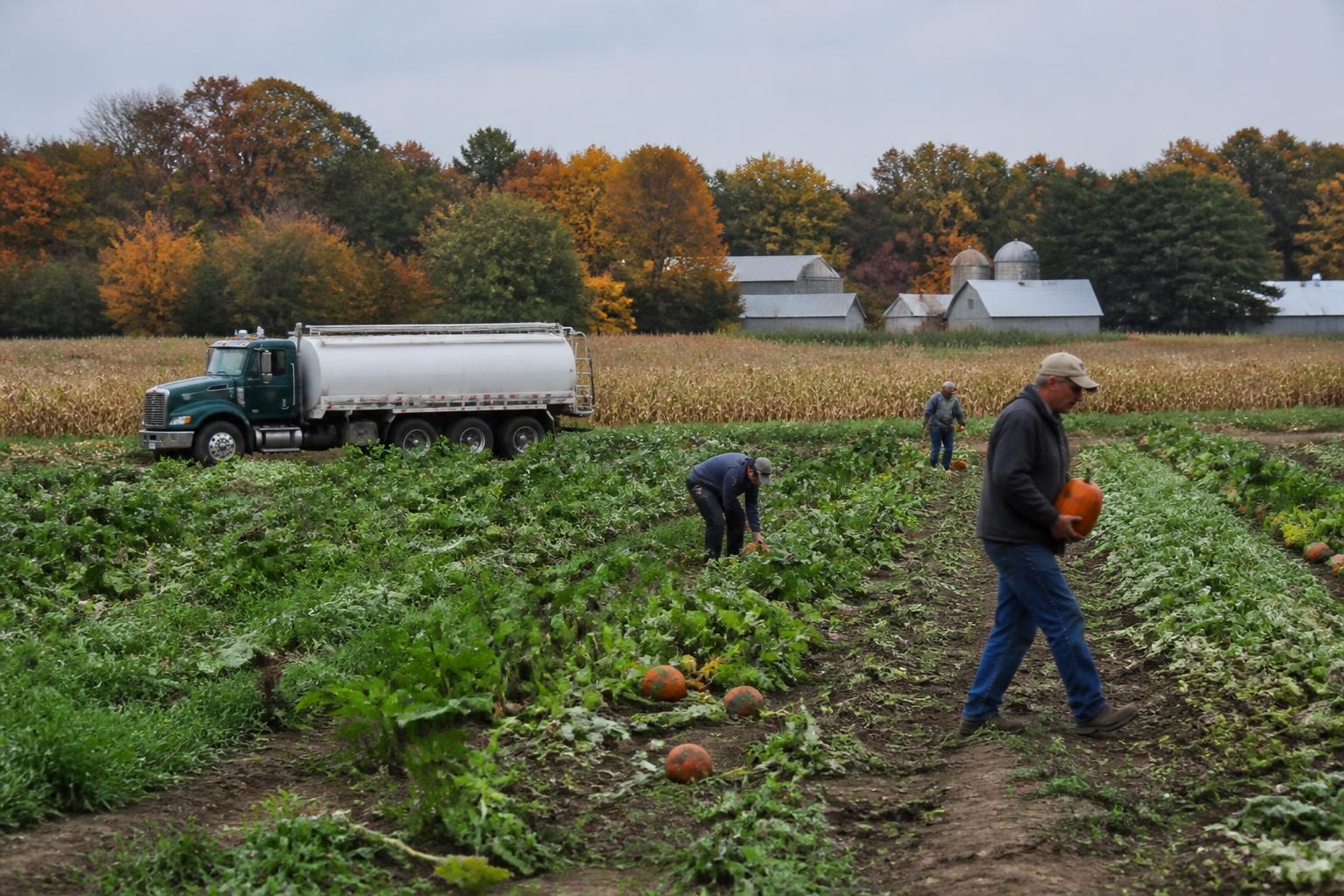
As the fall harvest season gathers momentum across Maryland, farmers and logistics managers are fine-tuning their transport strategies. The transition from late-summer field preparation to active crop movement requires a keen focus on efficient traffic management and equipment readiness to ensure product reaches elevators and processing facilities without significant delays.
Effective logistics planning during the harvest window involves more than just speed; it requires a strategic approach to road usage, weight limit compliance, and equipment maintenance. With heavy machinery sharing rural corridors, operators must remain vigilant about road conditions and seasonal congestion that can impact transit times from the field to regional storage hubs.
Adapting to Infrastructure and Transit Realities
Maryland's diverse agricultural geography necessitates varied transport approaches depending on the crop and destination. Whether moving grain or specialty produce, identifying optimal transport windows can help mitigate the risks of bottlenecks near key processing sites or export terminals. Producers who prioritize preventative maintenance for transport fleets often report fewer interruptions, which is essential as the volume of crops in transit reaches its peak this month.
For operators in counties where agricultural throughput is high, monitoring localized traffic patterns is increasingly important. Managing the flow of heavy vehicles on smaller rural roads demands coordination, and staying informed about ongoing navigation challenges during the harvest period remains a standard practice for many Maryland agribusinesses looking to stabilize their supply chain performance.
What it means for the market
Market participants should prepare for heightened transit intensity throughout the fall. By prioritizing efficient route planning and ensuring that transport logistics are fully aligned with harvest schedules, farmers and elevators can better manage the potential for seasonal congestion, supporting smoother operations and potentially reducing costs associated with transit delays.
Comments
No comments yet - be the first to share your take.