
Strengthening Local Supply Chains
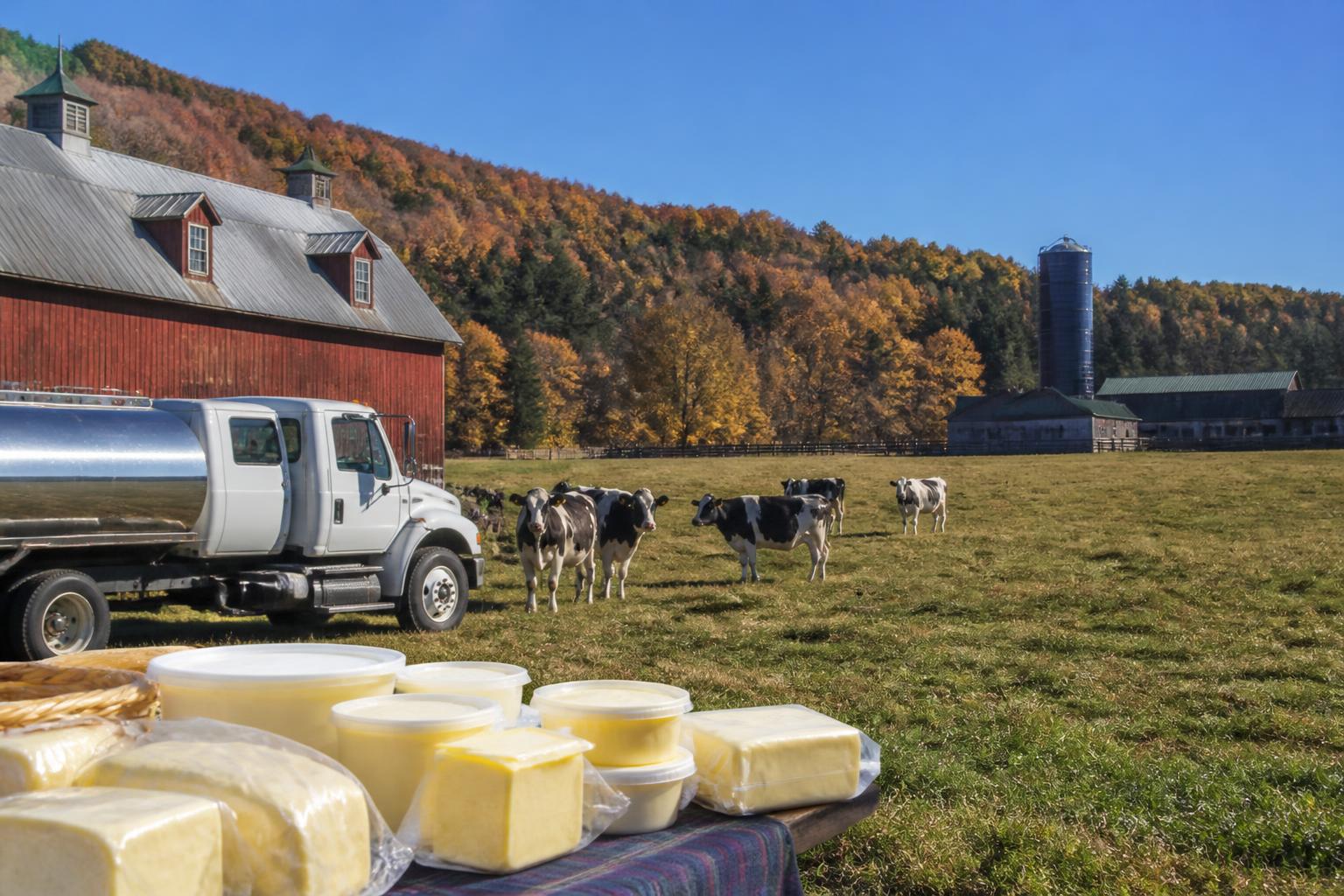
Vermont's dairy landscape continues to evolve as institutional procurement strategies shift toward local partnerships. Recent developments involving Monument Farms Dairy and state correctional facilities underscore a growing trend in keeping production and distribution within state lines. This localized model may help reduce transportation overhead and minimize the complexities often associated with long-haul logistics during the busy harvest season.
For local producers, maintaining robust dairy and grain market stability remains a primary objective. As the fall season progresses, farm operators are balancing the immediate demands of end-of-season field work with the long-term goal of securing steady distribution channels, reflecting a broader effort to insulate Vermont agribusiness from external volatility.
Sustainability as a Market Advantage
National recognition for sustainability, such as recent honors for Goodrich Farm, highlights how environmental stewardship is increasingly becoming a strategic asset for Vermont operations. These initiatives are not just about land management; they are critical for maintaining the operational efficiency needed to navigate regulatory shifts and operational resilience that impact the industry during shifting seasonal conditions.
Furthermore, the integration of artisanal production methods, seen in transitions like those at Bragg Farm, suggests that the market continues to reward specialty value-added dairy products. By focusing on niche quality, producers can often achieve better price stability, which provides a hedge against the fluctuations in commodity milk pricing that typically affect the broader U.S. agricultural sector.
What it means for the market
For Vermont farmers and logistics providers, the emphasis on local procurement and sustainable, high-value production offers a path toward greater stability. While regional infrastructure remains sensitive to seasonal capacity and labor demands, the move toward localized supply chains could simplify logistics, potentially reducing reliance on complex regional transport networks during peak harvest and winter transit months.
Comments
No comments yet - be the first to share your take.