
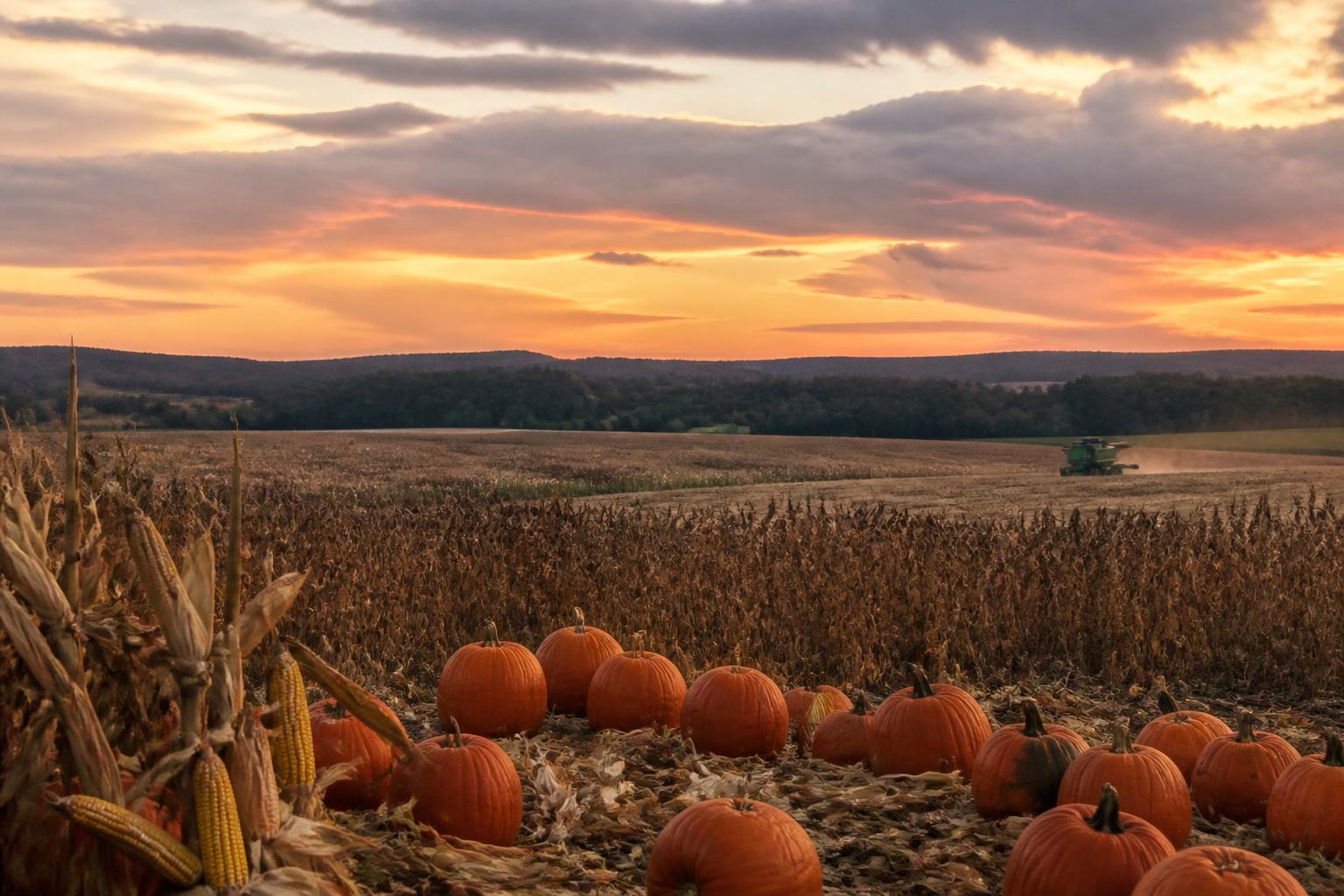
As the fall harvest window begins to open across South Carolina, agricultural producers are closely monitoring shifting crop trends. Recent observations suggest that variable market conditions, including high production costs and fluctuating prices for traditional commodities like cotton, may be driving some growers to adjust their land allocation toward increased peanut production.
Successfully moving these crops from the field to the terminal remains a top priority for local logistics managers. Many growers are working to navigate the complexities of regional transportation and storage infrastructure to ensure supply chain stability during this busy season. For more insights on maximizing operational flow, consider our recent report on leveraging on-farm storage for fall efficiency to help mitigate seasonal bottlenecks.
Adapting to Evolving Agricultural Logistics
The movement of grain and oilseeds in South Carolina continues to rely on robust coordination between local elevator networks and regional transit corridors. Farmers are increasingly looking toward diversified storage solutions to manage timing pressures, especially as they look to balance harvest throughput with limited transit capacity. In many cases, proactive planning for transportation helps producers maintain margins in a volatile climate. For a broader look at the challenges currently impacting the state's sector, you can review our discussion on navigating seasonal logistical hurdles.
Market Outlook and Regional Efficiency
While acreage decisions are often dictated by seasonal price signals, the long-term success of South Carolina producers remains tied to efficient supply chain management. As growers navigate these shifts, integrating localized logistics strategies is essential. Staying updated on regional developments is critical for long-term farm sustainability; for further context, explore how weighing economic realities amid fall pressures informs daily decision-making.
What it means for the market
For South Carolina farmers and grain handlers, the focus for the remainder of the year will be on managing variable input costs while maintaining a steady flow of commodities to market. As producers prepare for peak harvest, securing storage and transit capacity well in advance may prove to be the most effective hedge against late-season operational volatility.
Comments
No comments yet - be the first to share your take.