
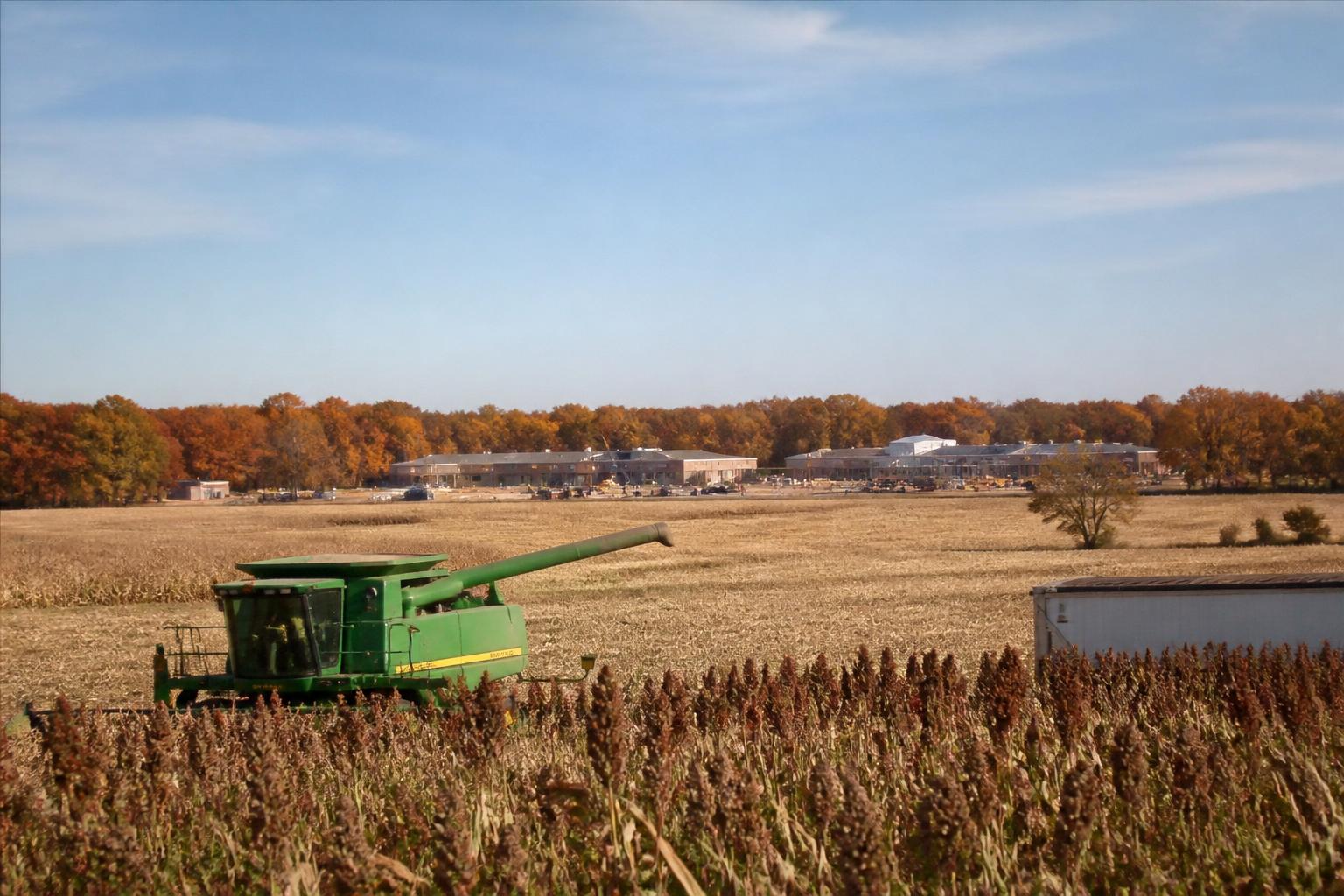
As the fall harvest window nears, Oklahoma producers continue to navigate a complex landscape of operational risks and infrastructure developments. While many growers focus on managing the aftermath of mid-season weather events, the state's broader agricultural sector is seeing a renewed push toward technical advancement and modernized facilities.
Recent reports highlight that producers are dealing with the lingering effects of earlier weather patterns, which in some cases led to increased bacterial blight pressure in cotton crops. Effective field management remains a priority for those looking to protect yields as we enter this critical season. For those seeking strategies to mitigate these operational risks, reviewing current risk management practices can provide essential guidance.
Infrastructure and Research Investment
Oklahoma State University has announced new locations for both a veterinary teaching hospital and an Agronomy Discovery Center, signaling a long-term commitment to enhancing the state's agricultural research and animal health capabilities. These facilities are expected to provide local farmers and agribusinesses with improved access to cutting-edge research, which may eventually support more resilient production practices across various regions, from the Panhandle to the Red River Valley.
Logistics and Resource Planning
As harvest activity begins to pick up, managing the flow of grain and maintaining equipment remain paramount. Efficient farm planning, including the coordination of transport logistics and bin space, is vital to avoiding bottlenecks during peak delivery times. It is wise for operators to revisit their harvest preparation strategies to ensure that road-ready equipment and labor are aligned with projected yield volumes.
Furthermore, the broader economic climate continues to influence how producers approach input purchasing. Whether evaluating the potential for winter canola, a crop that some consider a viable diversification option for wheat growers, or managing fertilizer application schedules, the need for data-backed decision-making has never been higher. Staying informed on market intelligence tools can help producers adjust to these pressures more effectively.
What it means for the market
For the Oklahoma producer, the coming months are defined by a mix of immediate harvest demands and strategic planning for the next planting cycle. While localized issues like bacterial blight require careful monitoring, the long-term trend toward enhanced research and logistics capacity points to a steady, albeit cautious, outlook. Maintaining flexible operational plans while leveraging local research resources will be key to protecting margins in a fluctuating market.
Comments
No comments yet - be the first to share your take.