
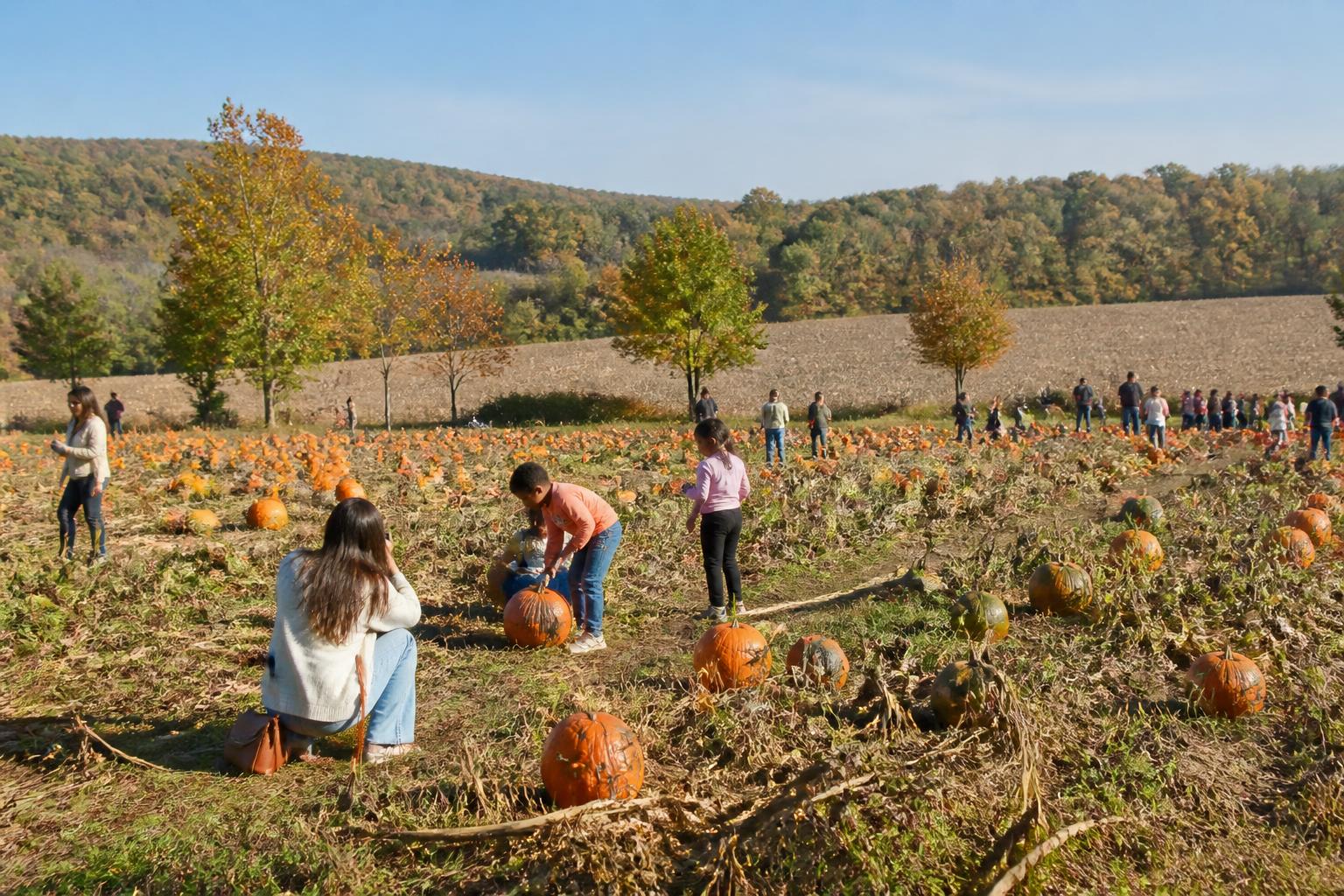
As harvest activities gain momentum across the Mountain State, West Virginia producers are finding that managing field health remains a complex, high-stakes endeavor. From the Eastern Panhandle into our traditional agricultural heartlands, growers are reporting a surge in pressure from invasive species that threaten both bottom-line yields and livestock stability.
Successfully navigating these challenges requires a proactive approach, especially as growers focus on resilience as the harvest season progresses. Whether you are managing grain storage or pasture health, understanding the local pest landscape is as critical as monitoring seasonal market fluctuations.
Invasive Threats to Local Operations
Producers have noted the arrival and spread of several invasive threats that demand attention this fall. The spotted lanternfly has now been reported across 21 counties, signaling a significant risk to orchards and specialty crops. Simultaneously, the detection of the longhorned tick in the Eastern Panhandle presents a new variable for livestock managers who already face the nuisance of increasing black vulture populations.
These biological challenges often overlap with the logistical complexities of operating in a challenging terrain. Many producers have found that navigating fall operational challenges requires tighter communication between handlers and local logistics providers to ensure that pests do not compromise the quality of stored commodities.
Regulatory and Resource Management
Beyond field-level pests, the regulatory environment is undergoing notable shifts. Legislative attention has turned toward state-level oversight for apiculture, highlighting the growing intersection of small-scale agriculture and government policy. As land use continues to evolve, these rules often impact how landowners manage their resources in both rural and transitionary urban areas.
What it means for the market
For West Virginia agribusinesses, these trends suggest that risk mitigation should remain a top priority through the end of the year. Increased scouting for pests, investment in robust storage protection, and staying informed on shifting state mandates are no longer optional. As we move deeper into the fall, producers who prioritize early detection and efficient resource allocation will be better positioned to preserve their harvest value against both environmental and economic volatility.
Comments
No comments yet - be the first to share your take.