
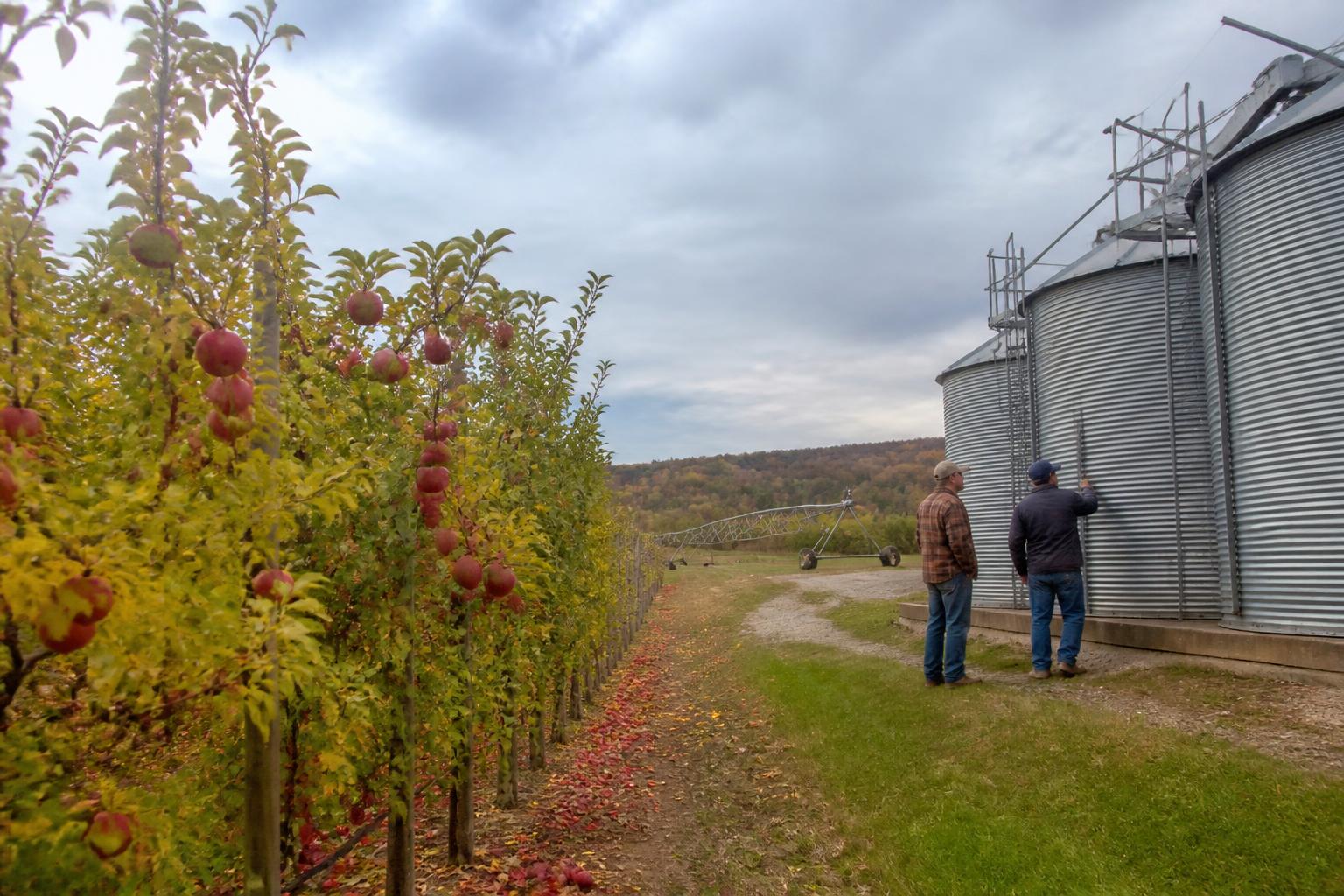
As Maine enters the peak of the fall season, local producers are focusing heavily on harvest operations and the subsequent management of stored commodities. With the harvest window progressing, maintaining grain quality within bins has become a critical operational priority for farmers throughout the state.
Prioritizing Bin Integrity and Aeration
Proper storage management is essential to protecting market value as crops move from the field to the elevator. For Maine farmers, monitoring moisture levels and temperature inside bins remains vital, especially as fall weather patterns can introduce fluctuating conditions that impact stored grain. Consistent aeration and regular inspection of grain mass help prevent hotspots and moisture migration, which can lead to rapid deterioration.
Logistical Considerations for Producers
Effective grain storage prep often determines the success of a season. Beyond basic monitoring, producers should ensure that their infrastructure is ready to handle current volumes. As Maine grain sector expansion continues, staying ahead of potential storage bottlenecks is becoming more common among regional operators. Proactive maintenance on fans, sensors, and structural integrity can prevent costly losses during the critical winter months ahead.
Regional Market Context
Market participants often remind growers that even small shifts in humidity can necessitate immediate attention to bin settings. While regional logistics remain steady, the focus for many remains on optimizing harvest strategies to ensure that stored inventory remains in peak condition for future marketing opportunities.
What it means for the market
For Maine agribusinesses and grain handlers, the current period represents a high-stakes window for quality control. Vigilance in managing grain inventory now helps stabilize the local supply chain, ensuring that high-quality product is available as market conditions evolve throughout the fall and into the winter.
Comments
No comments yet - be the first to share your take.