
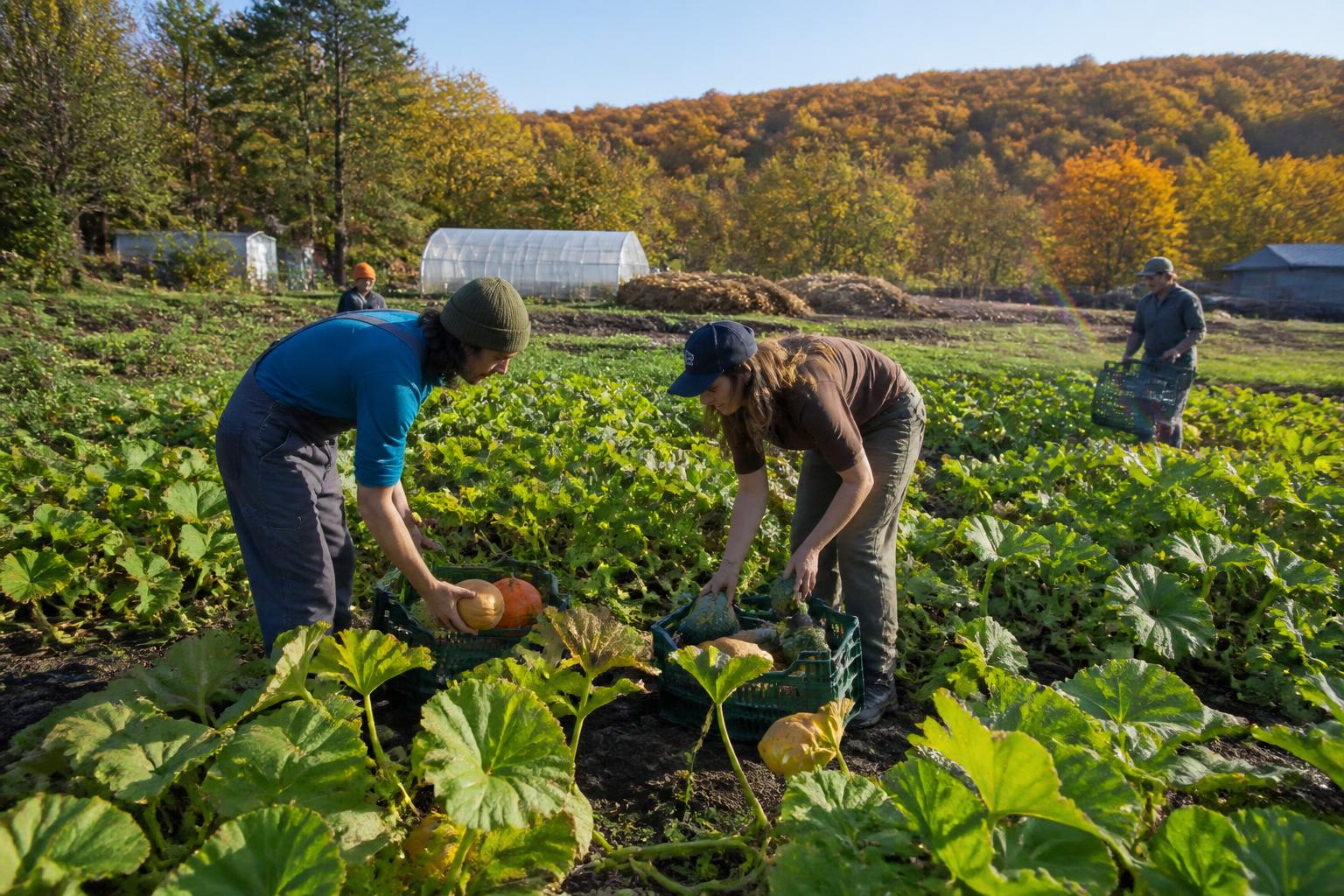
As Washington farmers move further into the fall harvest season, regional operations are contending with a dynamic environment marked by both logistical hurdles and evolving industry standards. Ensuring crop security and maintaining operational efficiency remains the primary focus for growers across the Columbia Basin and beyond as they manage the final stages of production and prepare for post-harvest transport.
For producers, the current landscape necessitates a closer look at regulatory compliance and market resilience. As global trade interests and domestic policy priorities shift, local agribusinesses are finding that staying ahead of shifting policy frameworks is as vital as monitoring soil health or managing equipment maintenance.
Navigating Logistics and Supply Chains
The movement of harvested commodities to port remains a critical touchpoint for the Washington agriculture sector. With ongoing discussions regarding infrastructure fees and the potential for increased logistical costs, carriers and elevators are recalibrating their seasonal strategies to mitigate margin erosion. These logistical shifts are particularly impactful for growers who rely on reliable, cost-effective transit to keep their products competitive in international and domestic markets.
Resource Management and Risk Mitigation
Beyond the immediate transit concerns, the sector is seeing a renewed interest in long-term risk management. Enhanced access to crop insurance products and a focus on regenerative practices are becoming common strategies for producers looking to insulate their operations against unpredictable weather patterns and input price volatility. Integrating these tools into a seasonal plan often provides a layer of stability, allowing growers to pivot more effectively when market signals change.
What it means for the market: For the Washington producer, the current climate is one of cautious adaptation. By prioritizing efficient resource allocation and keeping a close watch on regional logistical developments, agribusinesses can better navigate the complexities of this year’s harvest. Remaining informed on regulatory updates and securing robust supply chain partnerships will be the definitive edge as the season concludes.
Comments
No comments yet - be the first to share your take.