
Navigating Persistent Field Pressures
As the Arkansas agricultural sector moves through the harvest window, producers are confronting a familiar set of challenges that threaten yield potential and field longevity. Recent observations indicate that ryegrass remains a dominant and difficult weed management issue for many growers, particularly within regional wheat production. Managing these infestations often requires a comprehensive strategy for protecting yields to ensure that late-season pressure does not compromise the bottom line.
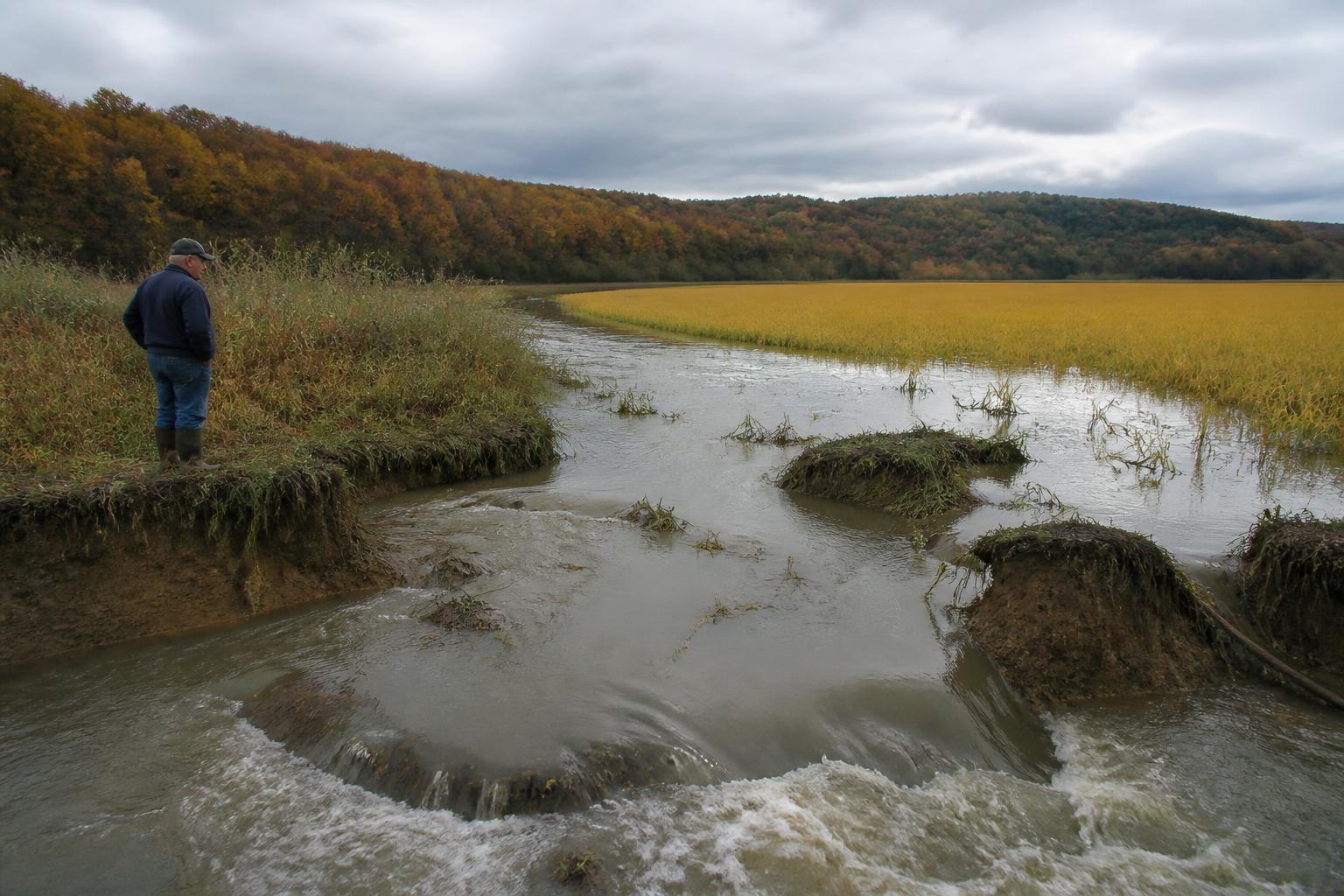
Furthermore, the physical environment has added complications to routine operations. Heavy rainfall events in various parts of the state have led to localized flooding, causing significant damage to infrastructure such as rice levees. These logistical hurdles often force farmers to recalibrate their field entry plans and equipment maintenance schedules during a time when efficiency is paramount.
Market Stability Amidst Shifting Conditions
Despite these environmental challenges, grain markets in Arkansas have shown a degree of resilience, with recent bids maintaining relative stability even as futures prices have experienced fluctuations. For agribusinesses and grain handlers, this period is critical for monitoring harvest logistics and field management to stay ahead of regional supply shifts. While market uncertainty persists, there is a continued focus on long-term viability, including recent efforts to address groundwater sustainability and the potential for new domestic demand streams for regional grains.
Strategic Investments in Sustainable Growth
Innovation continues to be a focal point for the state’s agricultural community, with projects like the USDA-funded organic agriculture initiative aiming to bolster regional resilience. These programs, alongside ongoing research into pest management tools like the rice stink bug genome assembly, provide a path toward mitigating some of the late-season transitions that typically stress farm assets. Whether through advanced engineering support or adaptive crop protection, Arkansas producers remain committed to securing operations against volatile conditions.
What it means for the market
For grain handlers and input buyers in Arkansas, the current landscape suggests a need for cautious optimism. While field damage and persistent weed pressure create immediate operational costs, the relative stability in grain bids suggests that demand channels remain functional. Operators should prioritize local field conditions when scheduling transport and storage, keeping a close watch on infrastructure readiness as late-season work continues across the state.
Comments
No comments yet - be the first to share your take.