
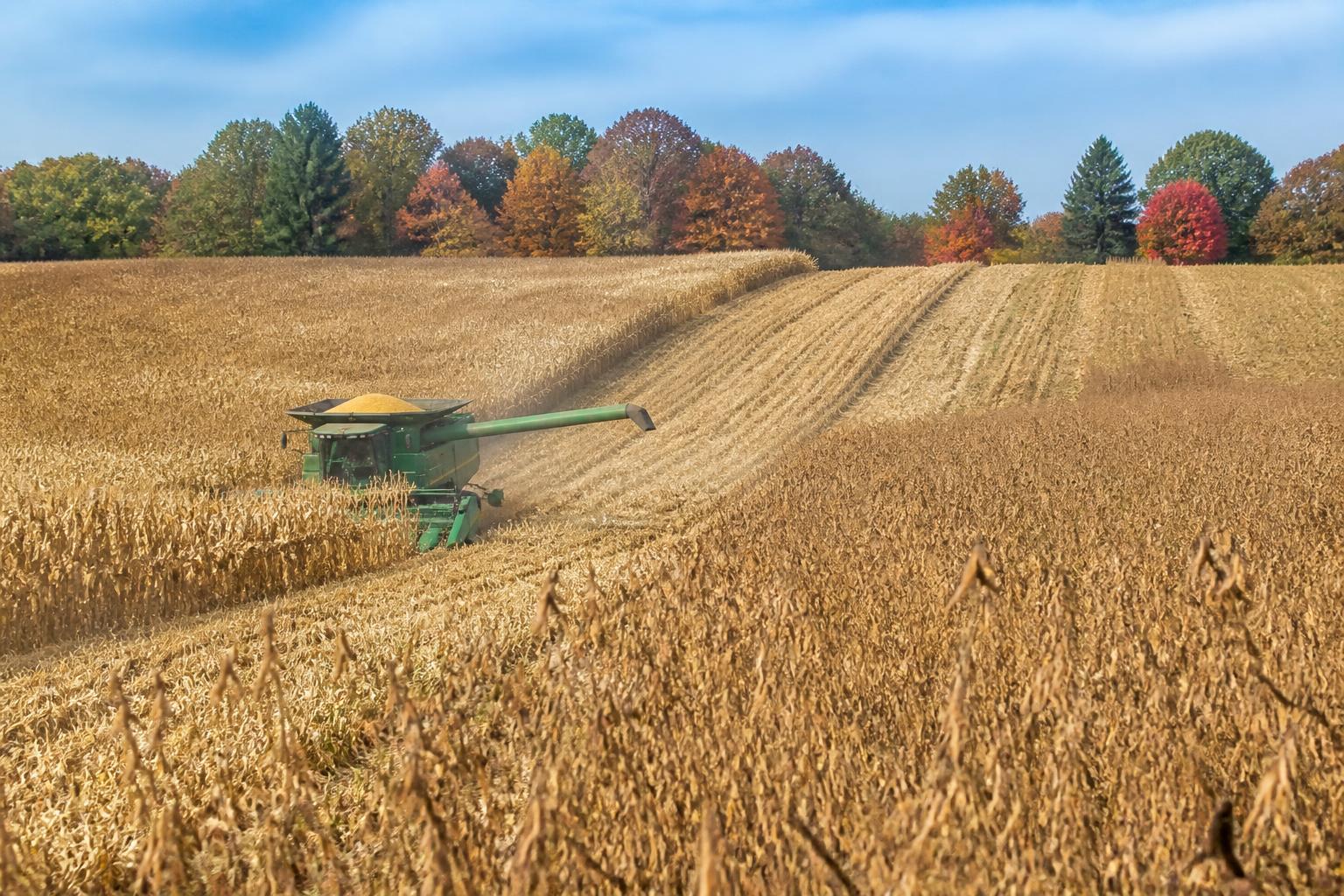
As Michigan producers move deeper into the fall harvest window, managing crop health remains a critical priority. Recent reports indicate that while the harvest of certain commodities is progressing with favorable initial yield reports, there are emerging concerns regarding late-season pathogen spread that could threaten grain quality and overall output in specific areas of the state.
Specifically, agricultural observers have noted the expansion of tar spot in corn across several counties, necessitating vigilant field scouting. This, combined with declining soybean conditions, highlights the volatility producers often face during the final weeks of the season. Balancing the immediate demands of grain movement and storage logistics with the need to identify and mitigate these disease pressures is essential for maintaining crop integrity as harvest operations continue.
Monitoring for Pathogen Spread
The encroachment of invasive species and plant diseases continues to be a point of focus for regional agribusinesses. Beyond the current concerns in corn, the state has seen a broader expansion of its invasive plant list, which requires land managers to remain proactive in their biosecurity and management protocols. Addressing these threats early can prevent the buildup of inoculum that could affect subsequent growing seasons.
Logistics and Market Preparation
With the pace of harvest accelerating, the pressure on regional infrastructure continues to build. Efficient communication between growers, elevators, and carriers is vital to ensure that crops are moved promptly from fields to storage or processing facilities. As seasonal freight constraints begin to manifest across key rural corridors, securing reliable transport in advance of peak load times can help avoid unnecessary bottlenecks.
What it means for the market
For Michigan producers and agribusinesses, the current environment demands a dual focus: optimizing harvest efficiency while safeguarding field health. The combination of localized disease pressure and typical end-of-season logistical tightness means that proactive scouting and transparent coordination with supply chain partners will be the primary drivers of success in the coming weeks. Staying ahead of these operational hurdles is critical for protecting the value of this year's harvest.
Comments
No comments yet - be the first to share your take.