
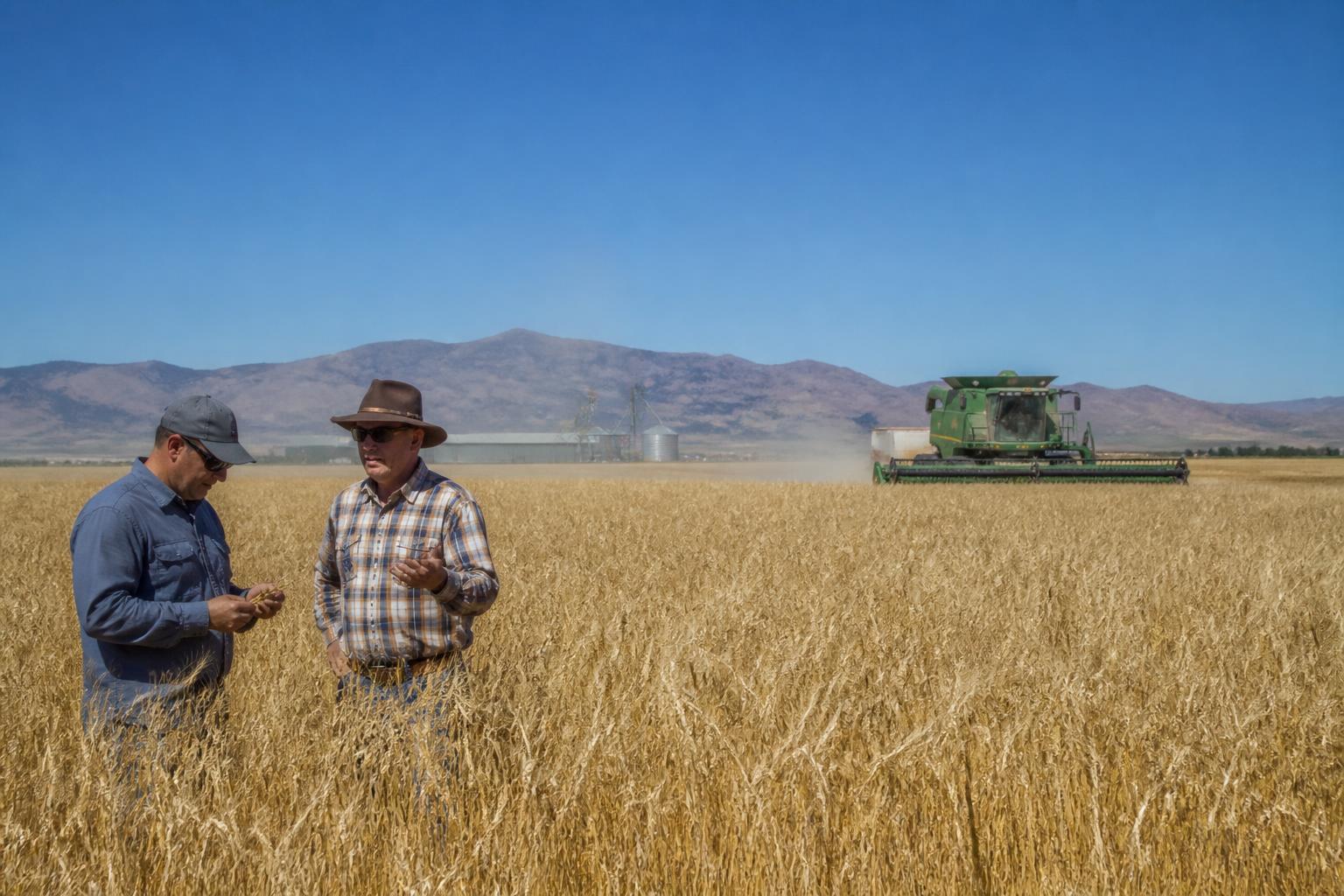
As the fall season progresses, Nevada agricultural producers are turning their attention toward long-term pest management and resource planning. With harvest activities winding down across many of the state's central and northern valleys, local authorities and extension services are emphasizing the importance of tracking insect populations that may influence planting decisions and input needs for the coming cycle.
Reports of persistent pest activity, including Mormon crickets and grasshoppers, remain a primary point of discussion during recent regional meetings. For growers in areas like the Carson Valley or those served by the Newlands Project irrigation systems, gathering accurate data on these populations is essential for effective treatment planning. By documenting sightings now, farmers can help agronomists and local officials develop more resilient resource efficiency protocols that minimize the impact of these pests on future yields.
Refining Input Strategies for Future Seasons
The current environment highlights the necessity of balancing input protection with overall farm sustainability. As producers evaluate their equipment and chemical needs, the ability to predict localized infestation patterns allows for more targeted, cost-effective applications rather than broad-spectrum approaches. This data-driven mindset is becoming a critical tool for those looking to maintain healthy margins while dealing with the inherent volatility of global market pressures and regional supply challenges.
Collaborative Resource Management
Beyond individual pest reporting, the broader agricultural community in Nevada continues to leverage expertise from university extension programs to address complex issues like soil health, water utilization, and modern pest control. Engaging with these resources provides a framework for balancing input costs against environmental stressors. Staying connected with local knowledge centers ensures that producers remain informed about the latest biological and mechanical interventions available for their specific soil types and crop varieties.
What it means for the market
For growers and agribusinesses, the current focus is squarely on information gathering and strategic planning. While commodity market fluctuations remain a backdrop to daily operations, the immediate value lies in mitigating yield risks through early detection and precise resource allocation. By participating in regional reporting initiatives, producers can foster a more stable operating environment, helping to optimize both input procurement and labor deployment as the industry moves toward the winter planning window.
Comments
No comments yet - be the first to share your take.