
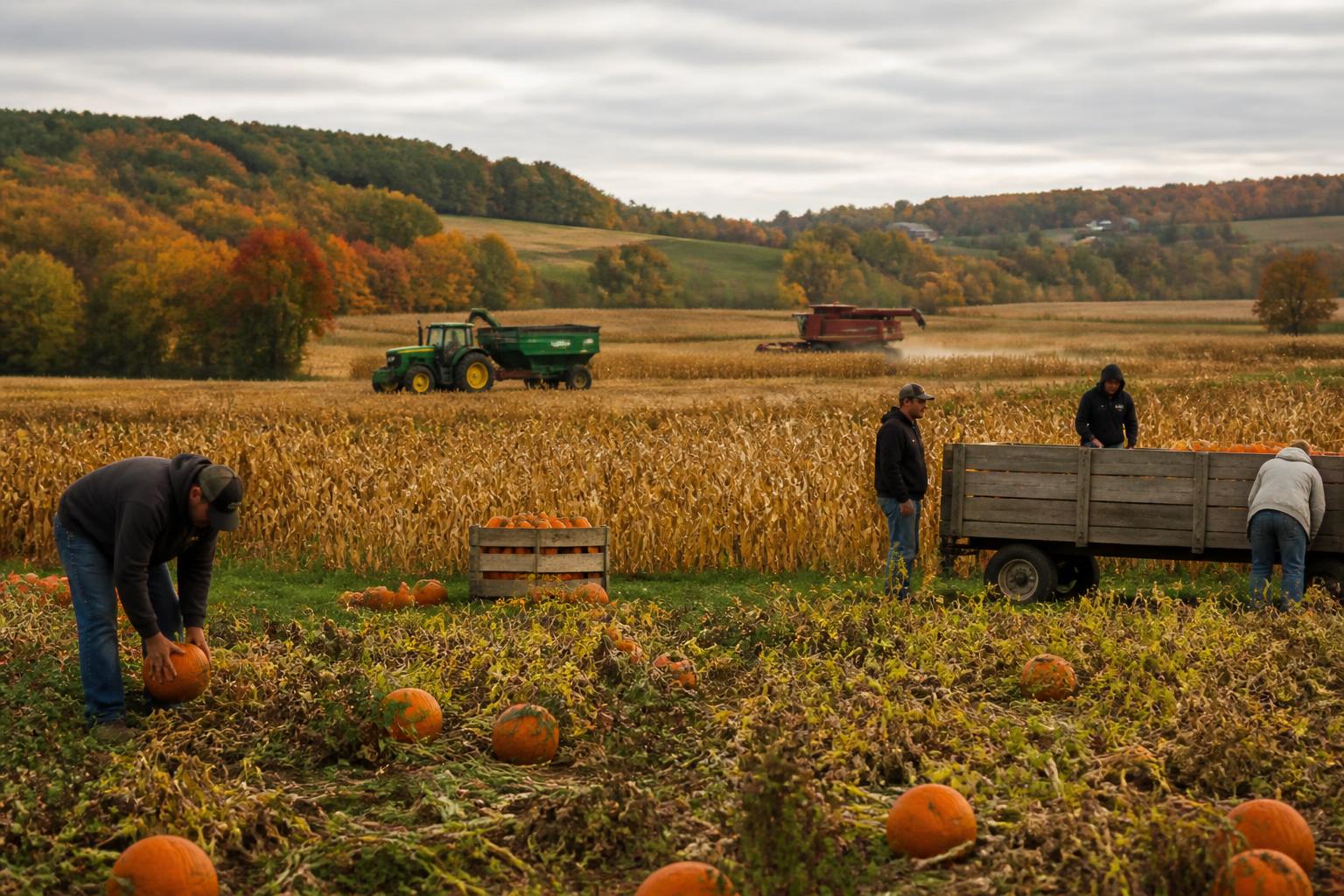
Protecting Soil Health During Fall Operations
As Nevada growers move deeper into the fall season, field activity often increases in preparation for winter dormancy or late-season harvests. While efficiency remains a priority, the risk of soil compaction continues to be a silent threat to long-term productivity. Heavy equipment operating on saturated or sensitive soils can significantly alter soil structure, reducing water infiltration and root development for upcoming cycles.
Implementing strategies to mitigate these impacts is essential for regional stability. Growers may find that optimizing traffic patterns and timing field work to coincide with dryer soil conditions helps maintain the integrity of their acreage. By prioritizing resource-efficient input management, producers can better protect their margins against the volatility often associated with agricultural overheads.
Proactive Pest Mitigation
The transition into fall is a critical window for monitoring late-season pest pressures. As environmental conditions shift, vigilance in scouting helps ensure that potential infestations do not carry over into the next planting season. With the industry increasingly turning toward data-driven pest reporting, timely identification remains the most effective tool for minimizing reliance on broad-spectrum applications.
Furthermore, staying informed about the evolving landscape of input costs and regional resilience allows Nevada farmers to pivot their protection strategies. Adopting a balanced approach that combines traditional scouting with current best practices for input application helps manage risks effectively without overextending operational budgets.
What it means for the market
For Nevada agribusinesses and growers, the fall market signals a shift toward maintenance and strategic planning. By prioritizing soil health and rigorous pest management now, producers can build a more resilient foundation for the upcoming year, ensuring that operational decisions today translate into improved market competitiveness and long-term farm viability.
Comments
No comments yet - be the first to share your take.