
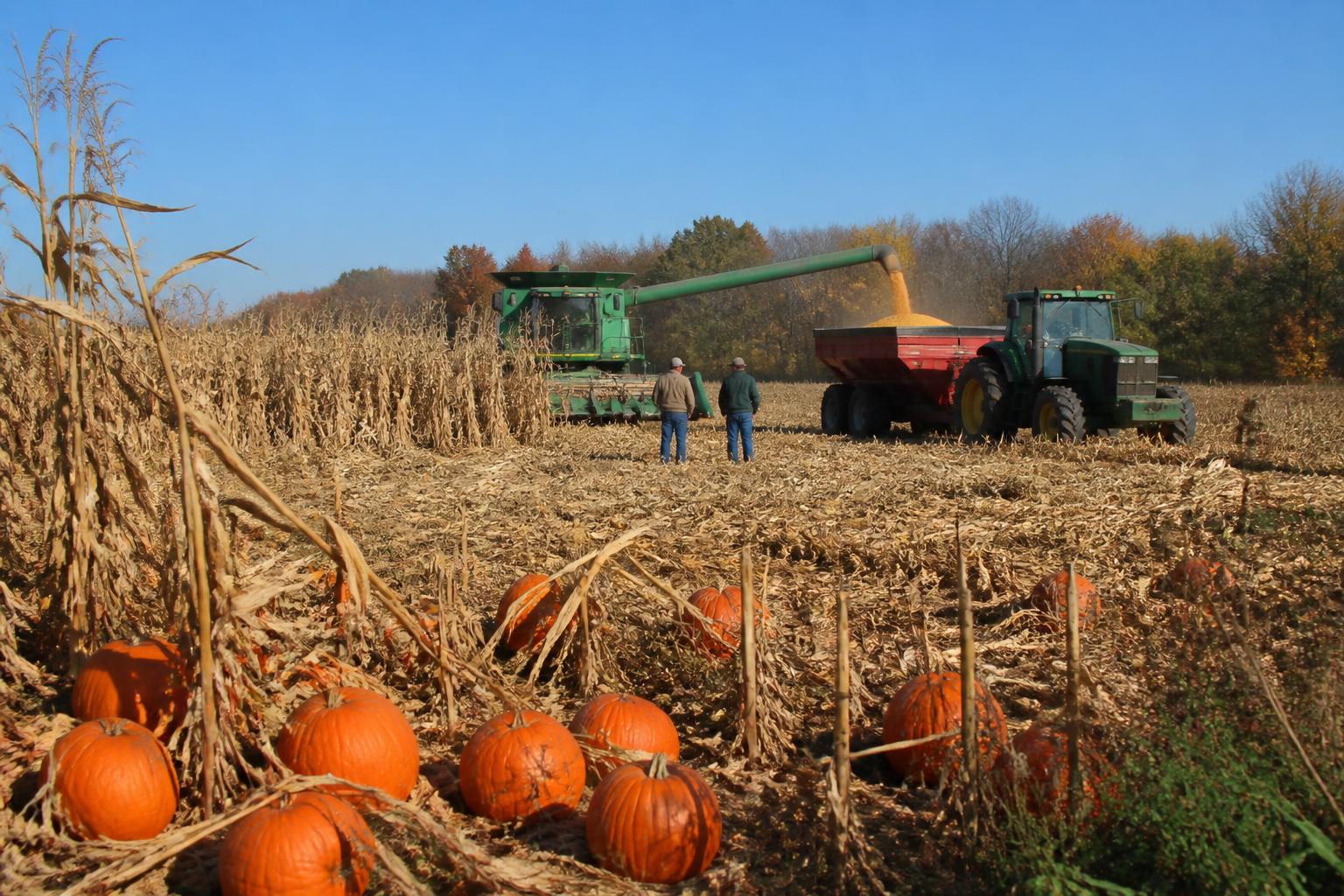
With harvest activities across Oklahoma reaching their peak, maintaining a focus on workforce safety remains a top priority for agribusinesses and individual producers. Recent discussions at the federal level regarding potential new heat protection rules underscore the importance of staying ahead of compliance requirements, especially during periods of unseasonable warmth that can still affect the Southern Plains during the fall season.
For many farm managers, adapting to these evolving standards is not just about regulatory compliance; it is a critical component of risk management. Producers should regularly assess their current heat stress mitigation strategies to ensure they are providing adequate shade, water, and rest periods for staff operating in fields or around grain handling facilities. For those balancing these labor costs alongside broader input volatility and safety net enrollment, proactive management remains essential.
Understanding Operational Impacts
Effective workforce management often requires a delicate balance between maintaining tight harvest schedules and ensuring the health of the labor force. In regions like the Oklahoma panhandle or throughout central wheat corridors, labor availability can become strained as equipment needs shift and the clock ticks on optimal harvest windows. Integrating updated safety practices may necessitate adjustments to daily routines, potentially impacting overall logistics and transport efficiency if heat-related stoppages or modified schedules are required.
Key Takeaways for Producers
- Review existing heat safety protocols to ensure alignment with general OSHA guidance and local labor practices.
- Consider the potential for increased labor costs associated with implementing new protection mandates.
- Evaluate equipment and facility needs that may support safer, more efficient work environments during high-heat days.
- Stay informed on federal rule-making processes to avoid last-minute administrative burdens.
What it means for the market: The push for standardized heat protection highlights a broader trend toward increased regulatory oversight in the agricultural sector. For Oklahoma producers, this suggests that operational planning should increasingly incorporate labor protection costs and compliance documentation into their long-term economic outlook. By prioritizing workforce health now, agribusinesses may avoid future disruptions, ensuring they remain resilient against both environmental and regulatory challenges as the season progresses.
Comments
No comments yet - be the first to share your take.