
Managing Field Conditions and Resilience
As we move deeper into October, South Dakota producers are balancing the tail end of the season with preparations for the coming winter. Recent weather patterns, including reports of heavy rains, have highlighted the importance of field management and crop protection. For those across the eastern regions of the state, managing moisture levels is a critical factor in ensuring that harvest operations remain efficient and that soil health is protected for the next cycle.
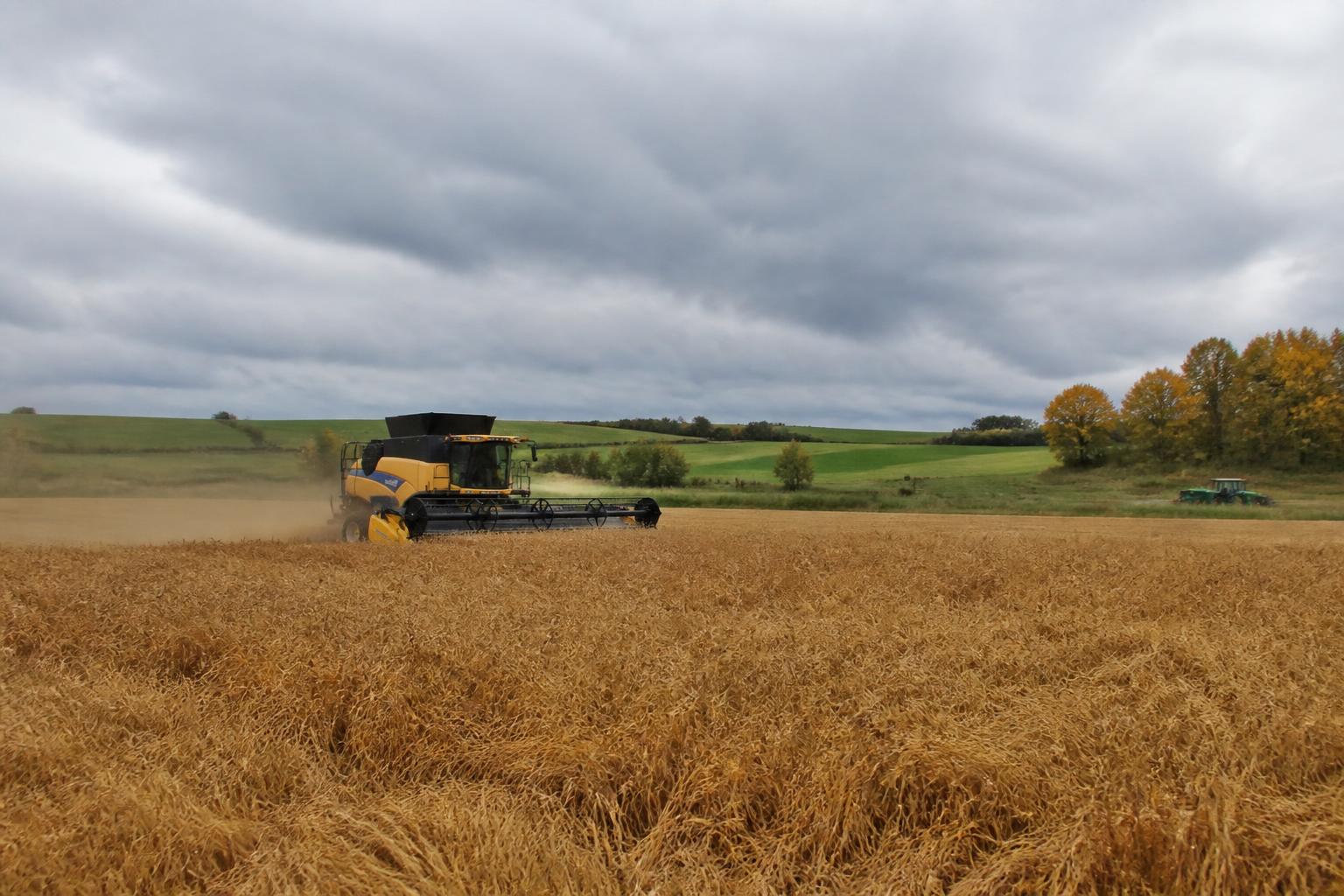
Integrating wheat into your rotation can often serve as a practical tool for improving soil structure and disrupting pest cycles, providing a buffer against some of the challenges seen in continuous row-crop operations. When fields are wet or inconsistent, these management strategies can help mitigate long-term risk to your land and capital.
Logistical Adaptations for Producers
The agricultural landscape in South Dakota is also reacting to shifting regulatory and infrastructure requirements. Recent updates regarding cattle transport restrictions related to avian influenza underscore the need for producers to stay informed on state-level mandates. Keeping a close watch on these developments is vital for those moving livestock to ensure compliance and avoid costly delays.
Simultaneously, the demand for reliable hauling equipment continues to evolve. Whether you are moving inputs or preparing for off-farm grain transit, the current trailer market reflects a broader push toward infrastructure modernization. Reliable transport is the backbone of efficient operations, especially when navigating the seasonal pressures of a tight harvest window.
Key Takeaways for Agribusinesses
- Prioritize soil drainage management to mitigate the impact of localized flooding.
- Review current biosecurity protocols for livestock transport to stay ahead of state-mandated restrictions.
- Evaluate your equipment needs for the upcoming season, keeping an eye on broader infrastructure trends that influence trailer availability and costs.
What it means for the market
For South Dakota agribusinesses, the current environment demands a defensive yet proactive stance. Between the dual pressures of managing excess moisture in the fields and adhering to specific transport regulations, success in the coming months will likely depend on operational flexibility. By focusing on crop rotation stability and staying compliant with shifting logistical rules, farmers and handlers can better protect their margins against the unpredictable variables of the fall season.
Comments
No comments yet - be the first to share your take.