
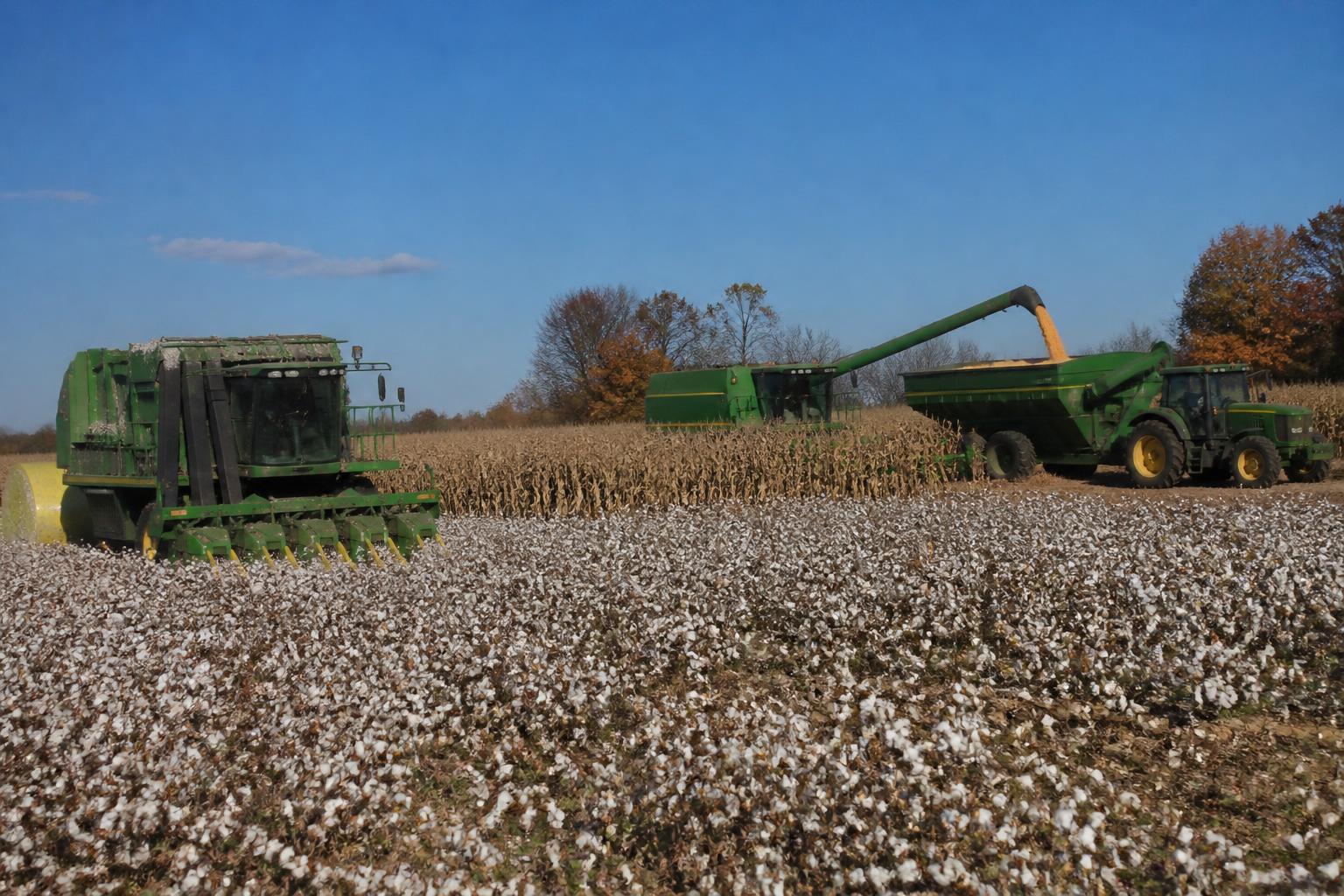
Harvest activity is accelerating across Alabama as farmers keep combines rolling through the fields. For many in the state, the current season has presented a unique set of challenges, ranging from navigating the complexities of cotton production to managing the logistics of crop movement during peak periods. Staying on schedule requires close coordination between producers, field operators, and local grain handlers.
Optimizing Logistics and Equipment Deployment
Efficient movement of goods remains essential for protecting margins during the busy harvest cycle. Whether transporting grain to local elevators or moving equipment between scattered plots, producers often find that strategic planning is the best tool for minimizing downtime. For deeper insights into managing transport windows and site access, see our latest analysis on keeping your harvest on schedule this fall. Proper coordination can help navigate the common bottlenecks that often arise as regional traffic intensifies across Alabama's rural corridors.
Market Pressures and Input Management
Beyond the field, agribusinesses are contending with broader economic shifts. With credit interest rates fluctuating, many operations are tightening their planning for the upcoming cycle. Farmers are also keeping a watchful eye on regulatory developments and supply chain resilience, particularly regarding input availability. Understanding the nuances of harvest logistics is increasingly tied to the broader economic environment, where every decision in the field impacts the bottom line.
Technological Adoption in the Field
As the sector modernizes, there is a growing interest in tools that improve precision and reduce operational waste. From drone technology to data-driven fertility management, Alabama growers are increasingly exploring how technology can offer a competitive edge. For those looking to refine their approach to soil health and resource application, our guide on optimizing soil fertility provides a practical framework for balancing input costs with yield potential.
What it means for the market
The Alabama agricultural market is currently defined by a focus on operational discipline. With harvest progress moving forward, success will likely favor those who prioritize efficient logistics and careful financial planning. Producers should remain agile, balancing immediate field needs with long-term cost management strategies to navigate the current economic landscape effectively.
Comments
No comments yet - be the first to share your take.