
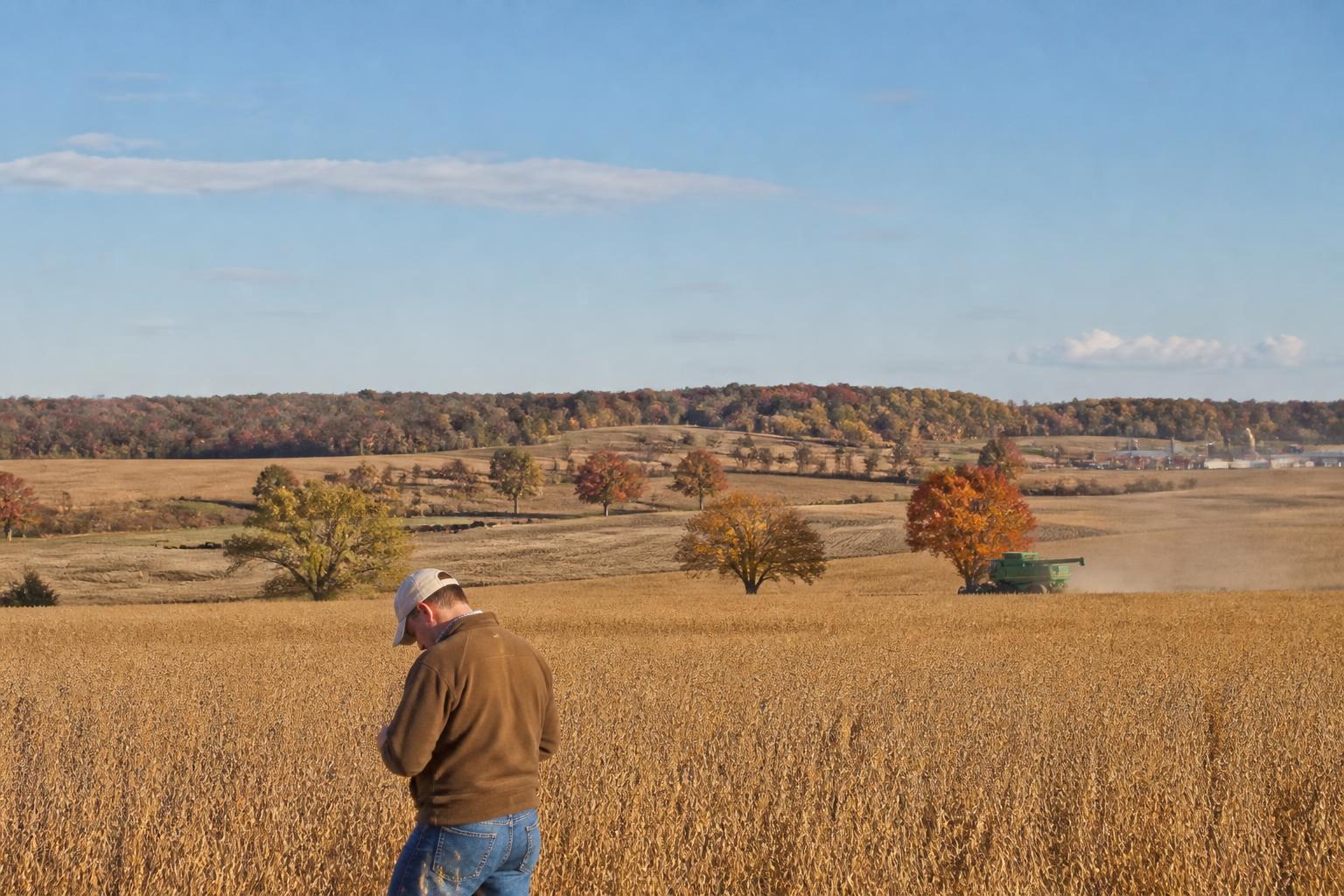
Oklahoma producers are entering a busy period of assessment as they balance immediate field management with long-term economic planning. With the protection of farm assets and financial stability becoming a central focus, farmers across the Sooner State are looking for tools to mitigate risks ranging from wildlife damage to shifting market data.
The current environment requires a dual approach: securing immediate operational safety while staying informed on broader economic trends. Whether managing grain volatility or monitoring farm labor safety requirements, Oklahoma agribusinesses are leaning into updated resources to keep their operations competitive and secure.
Managing Field Risks and Data Modernization
Pest management remains a critical pillar of farm protection, particularly as producers address the ongoing challenges posed by feral swine. New federal support programs are emerging to help mitigate the economic and physical damage these animals cause to crops and fencing. Beyond wildlife management, there is a push toward modernizing how agricultural data is collected. By improving reporting accuracy, regulators hope to provide a clearer, more responsive picture of the state's agricultural needs, potentially helping farmers better navigate market fluctuations.
Economic Outlook and Long-Term Stability
As the state moves deeper into the fall, producers are looking toward educational resources, such as upcoming economic outlook conferences, to gain clarity on the livestock and grain sectors. Understanding the nuances of global investment trends and how they may affect local land values is becoming increasingly important for family farms and larger operations alike. Many are also staying vigilant about navigating margin pressures as the season shifts, ensuring that protection strategies are integrated into their broader financial planning for the upcoming year.
What it means for the market
For Oklahoma agribusinesses, the intersection of improved data collection, targeted pest control funding, and regional economic education provides a stronger foundation for decision-making. By leveraging these resources, producers can better protect their margins, reduce physical losses in the field, and adapt to the evolving demands of the agricultural market throughout the fall and beyond.
Comments
No comments yet - be the first to share your take.