
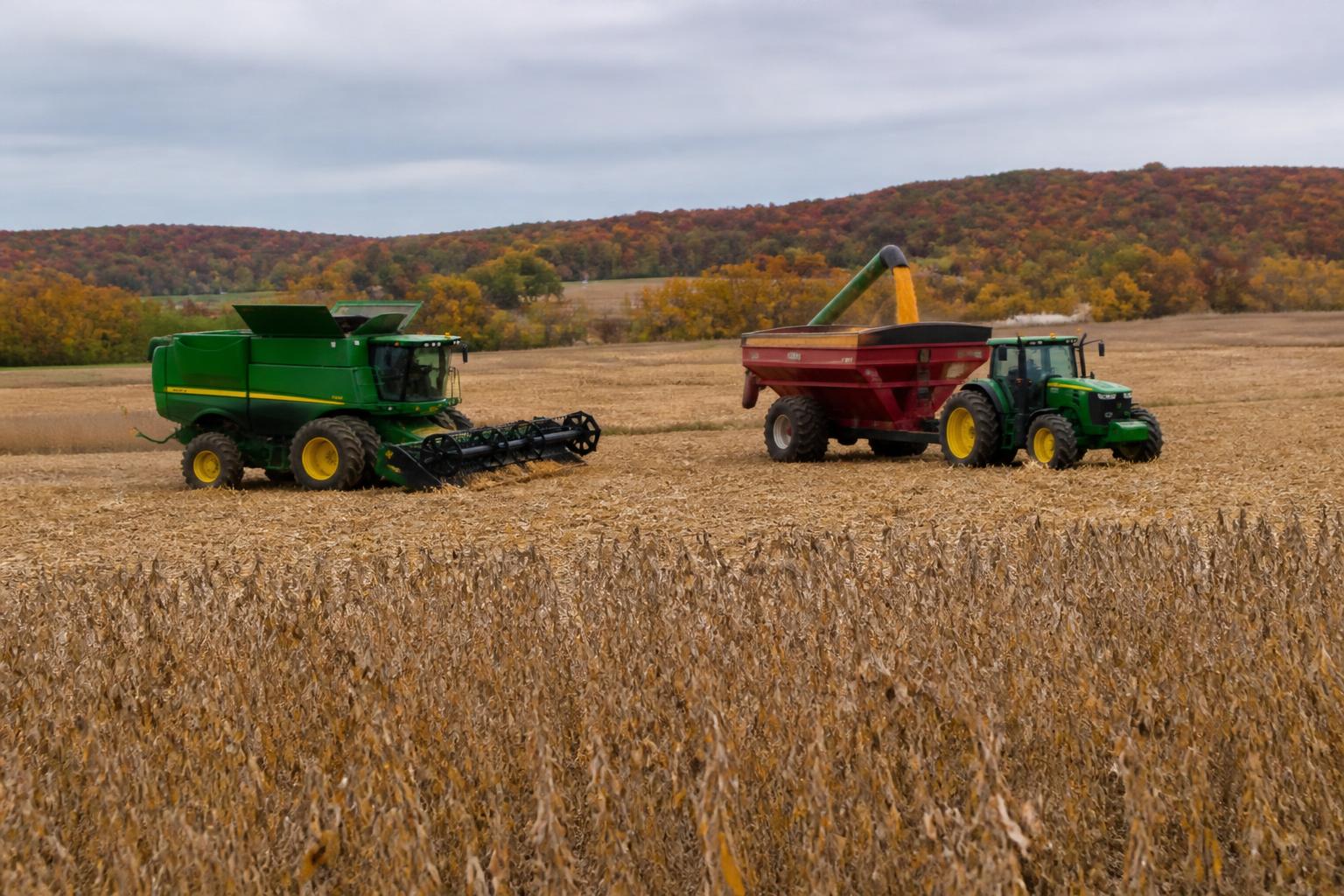
As harvest operations across New York state pick up speed, agricultural producers are increasingly focused on input availability and the broader economic forces shaping the upcoming season. With the current focus on balancing fields and preparing for post-harvest needs, the stability of the fertilizer supply chain has moved to the forefront of regional planning.
Farmers in the Finger Lakes and throughout the state's diverse growing regions are closely monitoring how international market shifts and domestic logistical hurdles may affect their bottom line. Market observers note that managing input cost pressures remains a primary concern for agribusinesses as they look toward spring planting cycles.
Monitoring Supply Chain Resilience
The conversation around fertilizer access has gained momentum as policymakers consider measures to study reserves and stabilize supply. For local operations, this underscores the importance of proactive logistics planning. Efficient movement of supplies remains vital, particularly as heavy autumn traffic puts additional strain on state freight and distribution networks. When supply chain bottlenecks occur, navigating logistics during peak harvest becomes a complex balancing act between keeping equipment running and securing essential inputs for the following year.
Strategic Planning in a Volatile Market
Agribusinesses are also keeping a watchful eye on trade policy and its impact on the cost of production. Changes in federal tariffs can lead to rapid adjustments in regional grain markets and input pricing, forcing operators to remain flexible. Furthermore, as producers evaluate their options, many are looking at the potential of operational shifts and regional market trends to hedge against future uncertainty. By staying informed on both local and international developments, growers can better position themselves to manage the risks inherent in today's agricultural economy.
What it means for the market
For the New York farmer and agribusiness owner, the current market climate necessitates a disciplined approach to inventory and logistics. While global factors continue to influence input costs, strengthening local planning and monitoring regional supply channels can provide a buffer against sudden market volatility. Maintaining close communication with local suppliers and logistics partners will be essential as the industry transitions into the final stages of the harvest season.
Comments
No comments yet - be the first to share your take.