
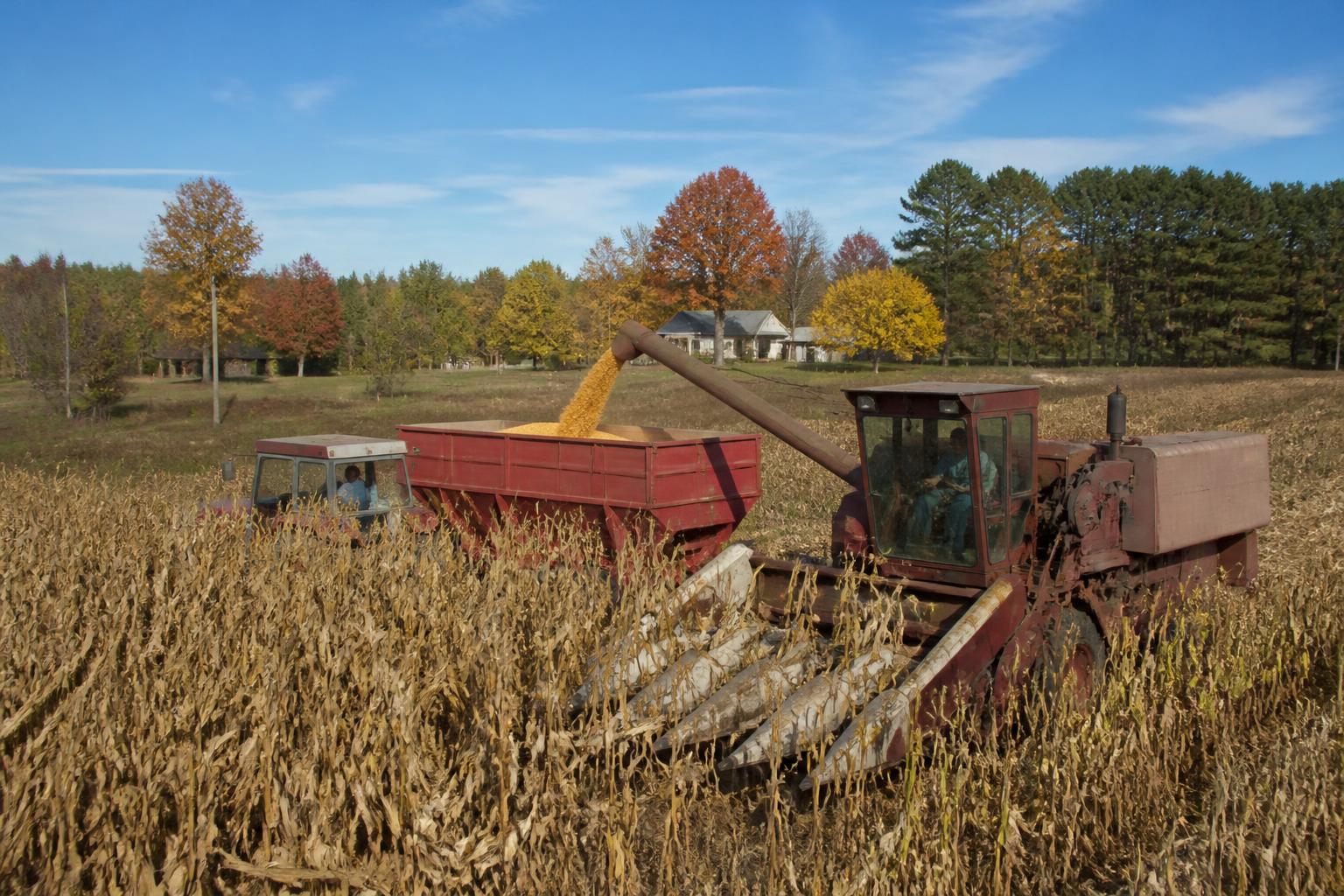
For North Carolina growers in the heart of the fall harvest, the window for active crop protection is narrowing. While harvest logistics and infrastructure demand primary attention, maintaining a vigilant approach to field health—particularly regarding late-season disease and insect pressure—is vital for ensuring the quality of this year's output.
Producers are advised to continue monitoring for residual threats that can impact end-of-season crop integrity. In many parts of the state, including key agricultural regions in the coastal plains, effective management of fungal diseases in crops such as sweet potatoes often relies on consistent cultural practices and timely scouting. Identifying these issues before they compromise storage or grade quality is essential for maximizing market returns.
Refining Management Strategies
Integrated pest management remains a cornerstone of successful North Carolina agriculture. As highlighted in recent industry logistics and infrastructure discussions, the ability to protect yield throughout the entire season is what defines long-term profitability. Whether addressing insect threats in soybeans or monitoring for leaf spot in peanut crops, using decision-support tools and predictive modeling can help refine chemical application timing, potentially reducing waste and improving outcomes.
Investing in Specialty Crop Opportunities
Beyond immediate field protection, there is a growing push toward expanding North Carolina's footprint in specialty crop markets. With recent federal support aimed at broadening export opportunities for these high-value commodities, producers who focus on disease mitigation and quality control may find themselves better positioned to tap into international demand. Strengthening these protocols is not just about safeguarding this year's harvest; it is about building the rigorous standards required for long-term growth in the global marketplace.
Building Resilience in the Field
As operations look toward the next cycle, the integration of new technologies and sustainable practices is becoming more prevalent. From navigating shifting rural routes to adopting new management tools, resilience in the face of environmental and economic pressures remains the hallmark of the state's agricultural sector. Ensuring that crop protection strategies are as adaptable as the logistics networks supporting them will be key to weathering seasonal volatility.
What it means for the market
For North Carolina agribusinesses and farmers, prioritizing crop health during the harvest window directly correlates to lower post-harvest losses and higher commodity grades. As competition for shelf space and export contracts grows, producers who successfully mitigate late-season disease and pest damage will likely secure a stronger position in the marketplace, translating field-level vigilance into tangible economic benefits.
Comments
No comments yet - be the first to share your take.