
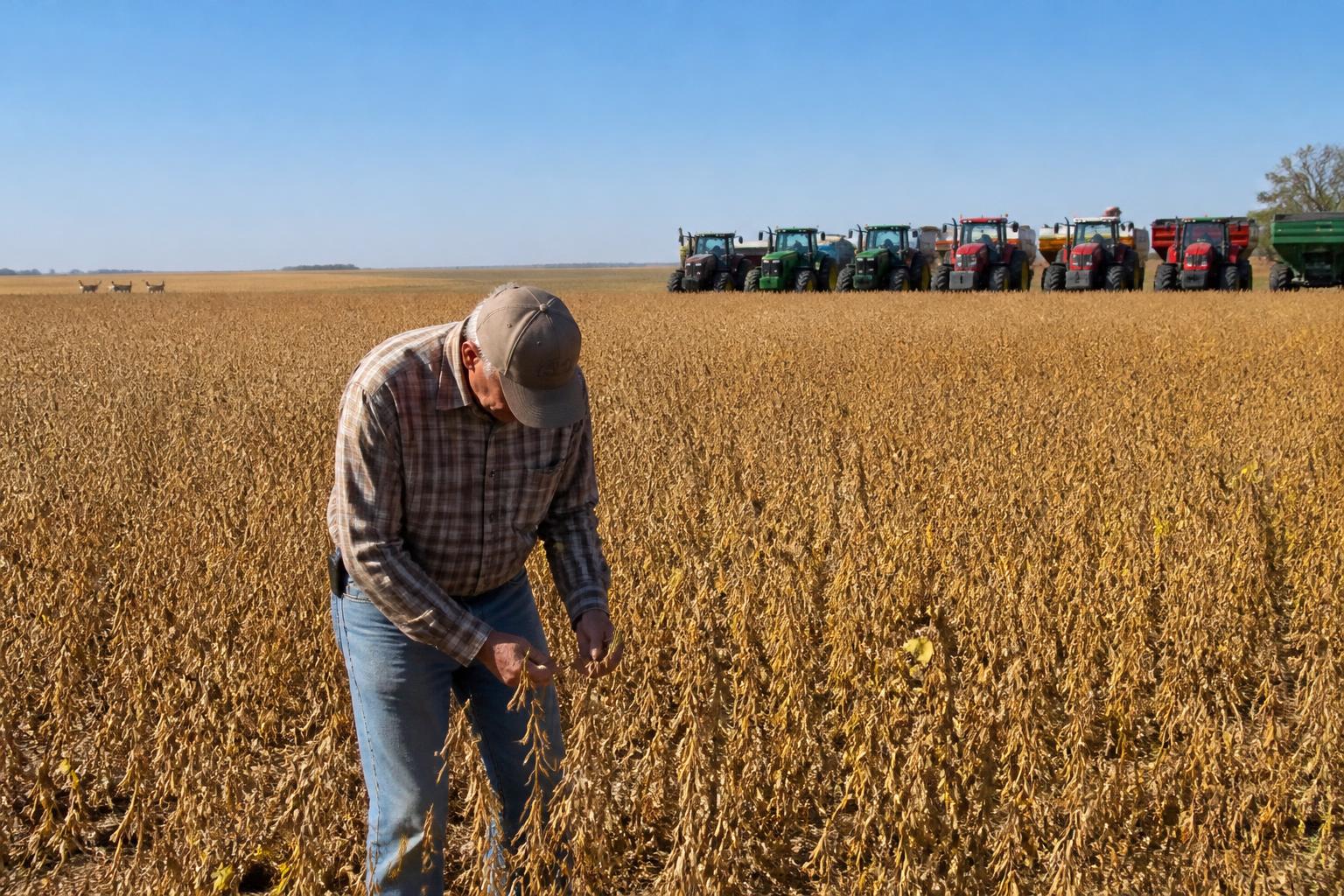
The fall harvest season in Minnesota is currently in full swing, bringing the inevitable intersection of field-level productivity and broader supply chain constraints. For farmers and elevator managers across the state, this time of year often reveals the fragility of local logistics, from the steady movement of grain out of storage to the management of regional transport bottlenecks. Maintaining consistent operational flow remains a priority as producers balance rapid harvesting with the realities of storage capacity and transport availability.
Operational efficiency is currently being tested by a variety of external pressures that can impact the bottom line for agribusinesses. When logistics become strained, the ability to move product effectively from the combine to the terminal determines the success of the harvest window. Understanding the current field security and operational flow is vital for those looking to mitigate potential delays and maintain smooth transitions through the peak harvest month of October.
Managing Cost and Supply Volatility
Beyond the immediate demands of grain transport, the broader agricultural economy continues to face challenges related to input costs and supply chain reliability. Fertilizer availability and fuel pricing often remain central concerns for Minnesota growers, especially when global market disruptions create ripple effects that hit local operations. Navigating this climate requires proactive communication between farmers, input suppliers, and logistics providers to ensure that resource planning aligns with realistic market expectations.
Financial stability within the storage sector is also a critical factor. When independent or family-owned elevators experience instability, it can create significant uncertainty for local producers who rely on these hubs for marketing and delivery. Staying informed on operational strains and financial volatility helps stakeholders make better-informed decisions regarding where and when to move their commodities.
Key Takeaways for Stakeholders
- Prioritize communication with local grain elevators to verify delivery windows and storage status.
- Factor in current fuel and logistics cost variability when planning for post-harvest transport.
- Stay alert to regional transport bottlenecks that typically intensify during the peak of the fall rush.
What it means for the market: The current Minnesota environment demands a focus on operational agility. As the season nears its final stages, the ability to adapt to shifting logistics and market conditions will distinguish those who successfully manage their harvest flow from those facing unexpected delays. Monitoring local infrastructure health and maintaining close ties with trusted service partners remains the best strategy for navigating this period of transition.
Comments
No comments yet - be the first to share your take.