
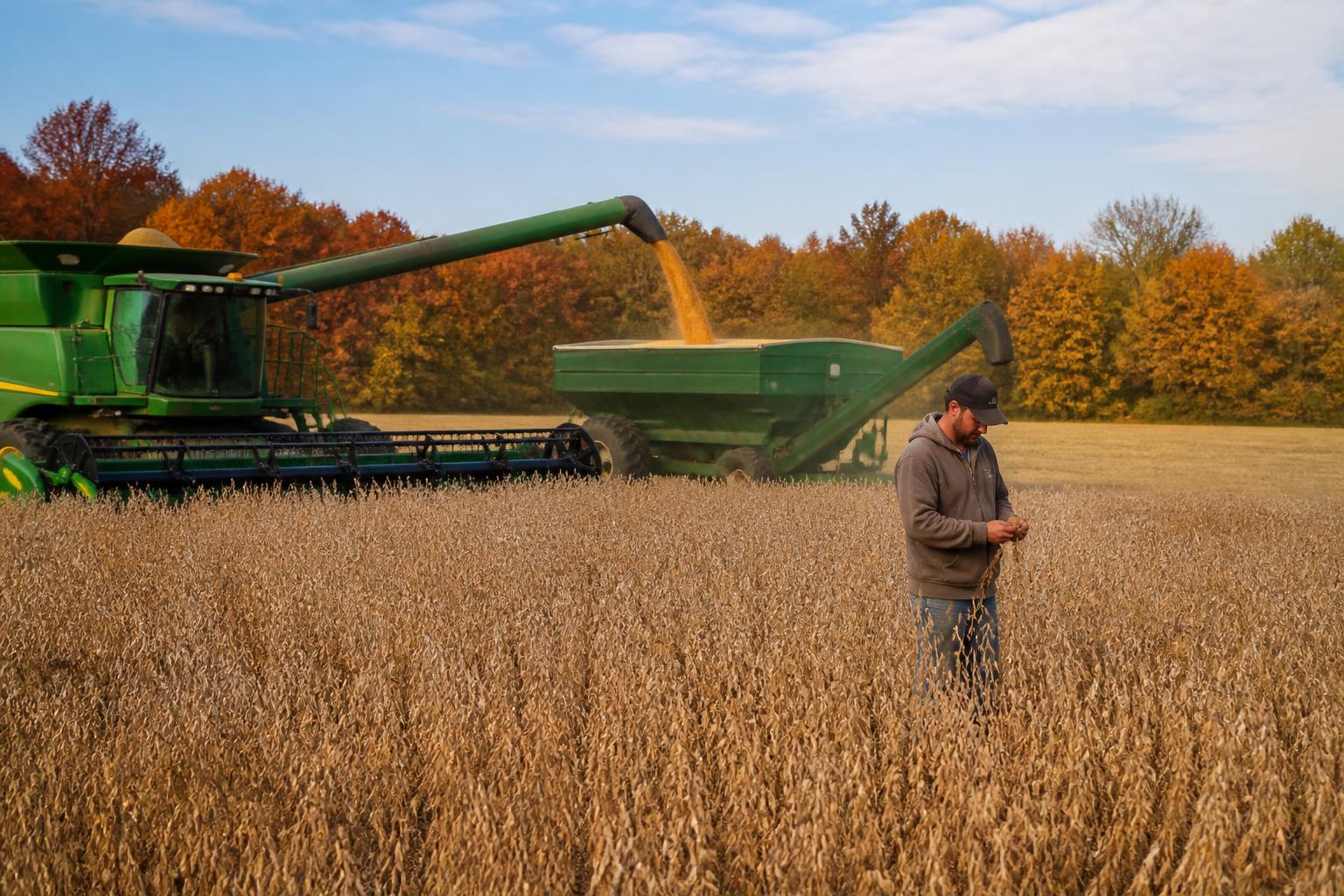
As Illinois fields hit the height of harvest activity, growers are balancing the immediate demands of grain transport and storage with the ongoing necessity of long-term crop protection strategies. With the season now in full swing, agricultural professionals are contending with a complex landscape of operational costs and shifting field conditions that impact how they approach the coming year.
Reports indicate that farmers are increasingly focused on managing variables like fertilizer availability and price volatility, even as wholesale inventory levels show signs of fluctuation. Maintaining profitability during this period often means staying agile with input purchasing decisions while ensuring that field logistics remain efficient under the pressure of tight seasonal windows.
Addressing Emerging Field Threats
Beyond logistics, maintaining crop health remains a persistent focus, particularly with the recent observation of increased defoliating insect activity across parts of the state. Managing these pressures requires careful observation and integrated approaches. Producers are also evaluating the effectiveness of their current crop protection programs to ensure they are adequately shielded against resistant weed populations and seasonal pests. This vigilance is crucial, as early planning for next spring is already top-of-mind for many agribusinesses.
Logistics and Equipment in a Changing Market
The machinery sector continues to adjust to a broader economic slump, leading to shifts in workforce and inventory strategies among major manufacturers. For growers, this current environment underscores the importance of optimizing existing equipment and refining management practices, such as adopting variable rate applications where applicable. Furthermore, understanding the nuances of transportation regulations remains essential for those moving grain, as navigating seasonal road restrictions can significantly impact the speed and cost of getting a crop to the elevator.
Staying Informed on Regional Trends
As we navigate this fall season, it is more important than ever for producers to stay aligned with broader market shifts. From evaluating the impact of herbicide resistance to staying current on trade data for soybeans and grains, regional intelligence helps farmers maintain a competitive edge. Engaging with local mentorship and industry groups continues to provide valuable peer-to-peer insights that can assist in navigating these complex, multi-layered challenges.
What it means for the market
The current Illinois agricultural climate demands a dual focus: maximizing the efficiency of the present harvest while methodically positioning for the next cycle. By monitoring fertilizer price trends, managing input costs, and staying updated on regional equipment and logistical realities, producers can better mitigate risks and secure their operational sustainability during these volatile market conditions.
Comments
No comments yet - be the first to share your take.