
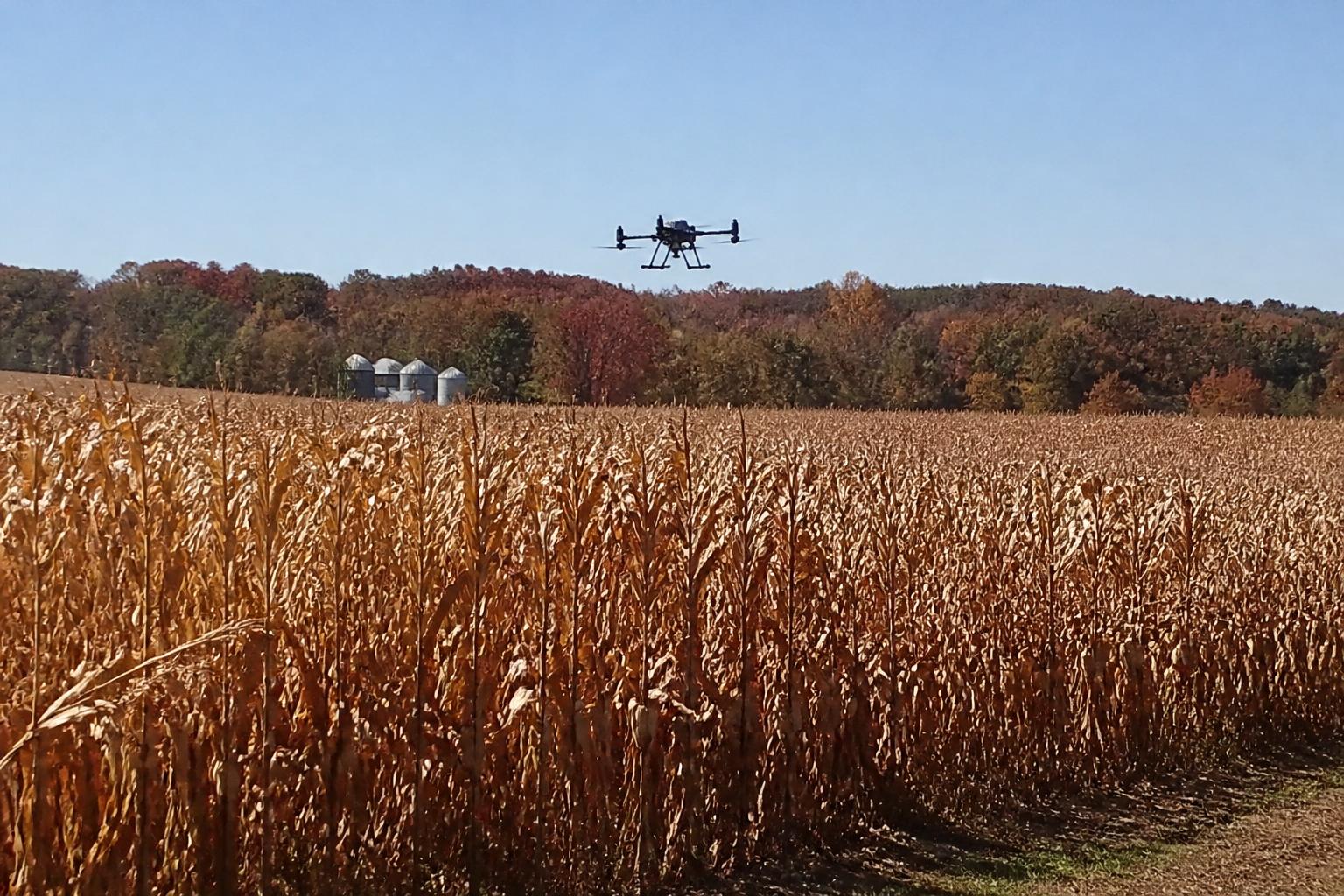
For Ohio farmers currently in the field, the rhythm of October dictates that logistics are just as vital as combine performance. As harvest moves toward its final stages, the pressure on local grain handlers often intensifies, requiring producers to balance field efficiency with the realities of storage and transport capacity. Maintaining a steady flow to regional facilities is key to avoiding the backups that can stall equipment and increase downtime.
Understanding the interplay between local infrastructure and market throughput is essential for those looking to maximize their seasonal returns. Proactive communication with local elevators and transport partners can help navigate shifts in local grain logistics, ensuring that harvested bushels find a home without unnecessary delays. As transit demands increase, being aware of regional traffic patterns and equipment availability often proves the difference between a seamless harvest and a costly bottleneck.
Adapting to Evolving Transit and Storage Demands
The current harvest landscape in Ohio highlights the importance of staying ahead of logistical constraints. Whether it involves managing on-farm storage or coordinating with commercial facilities, the ability to pivot when localized disruptions occur is a hallmark of a successful season. Producers are increasingly focusing on the interplay between technology and physical transit to ensure that both the quality and quantity of the crop are preserved as they move from the field to the point of sale.
Furthermore, staying updated on regional developments—such as expanded processing capabilities—can offer strategic advantages. Understanding how to prepare for fall logistical demands is particularly relevant as producers work to meet both domestic needs and export market requirements. As the state remains a hub for agricultural output, the efficiency of these supply chains continues to support the broader farm economy.
What it means for the market
For Ohio agribusinesses and farmers, the remainder of the harvest window requires a disciplined approach to asset management and logistics. By anticipating high-traffic windows at local receiving points and coordinating closely with logistics partners, participants can mitigate the risks associated with peak harvest congestion. As the season matures, focusing on these operational efficiencies remains the most effective way to protect margins and ensure product moves effectively toward its end destination.
Comments
No comments yet - be the first to share your take.