
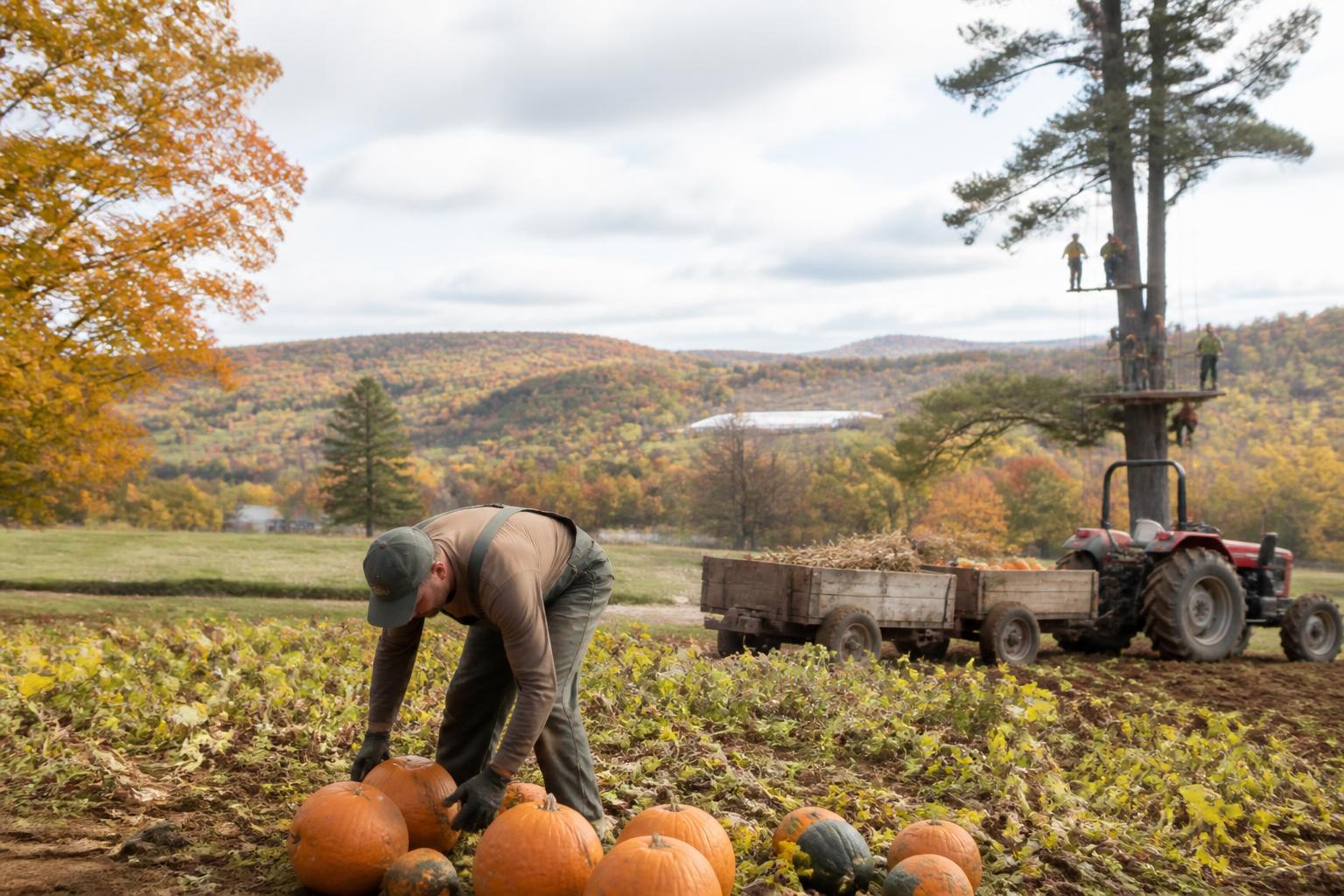
As mid-October settles over Pennsylvania, the agricultural landscape is defined by the high-stakes pace of the fall harvest. For many across the state, this period represents the culmination of a growing season that has brought a unique set of variables, ranging from moisture management to shifting input costs. Farmers and grain handlers are currently focused on maximizing throughput, ensuring that logistics remain fluid despite the inherent pressures of peak seasonal activity.
Recent reports suggest a dynamic harvest environment where some producers are finding yields that exceed earlier expectations. This resiliency in the face of variable growing conditions highlights the importance of adaptive management, particularly as operations move from field to facility. Maintaining efficient, reliable harvest logistics and transport coordination remains a top priority to keep local supply chains moving without bottlenecking at regional elevators.
Infrastructure and Operational Hurdles
Beyond the field, the state continues to address the broader challenges affecting the viability of Pennsylvania agriculture. From state-level discussions regarding farm-to-market road access to ongoing research into grain processing and quality preservation, the focus is squarely on reducing the friction that often hinders profitability. For those managing inputs or planning for the post-harvest transition, keeping a close eye on operational shifts and long-term land stewardship is essential for sustaining success in the coming cycles.
The Role of Precision and Policy
As the sector navigates these mid-fall realities, producers are also engaging with various state programs aimed at long-term infrastructure improvements and conservation. Whether it is addressing site-specific challenges or utilizing new tools for grain management, the emphasis remains on operational efficiency. With labor and input costs continuing to evolve, the ability to pivot—whether that means upgrading storage capacity or optimizing transit routes—will likely be a deciding factor for many agribusinesses this quarter.
What it means for the market
The current Pennsylvania market reflects a period of cautious optimism, where strong yields are being tested by the capacity of local logistics networks. For producers and carriers, success depends on tight coordination, effective utilization of grain handling facilities, and vigilance regarding the transport corridors that connect the farm gate to larger distribution hubs. As the season progresses, market participants should prioritize equipment maintenance and proactive scheduling to mitigate potential delays.
Comments
No comments yet - be the first to share your take.