
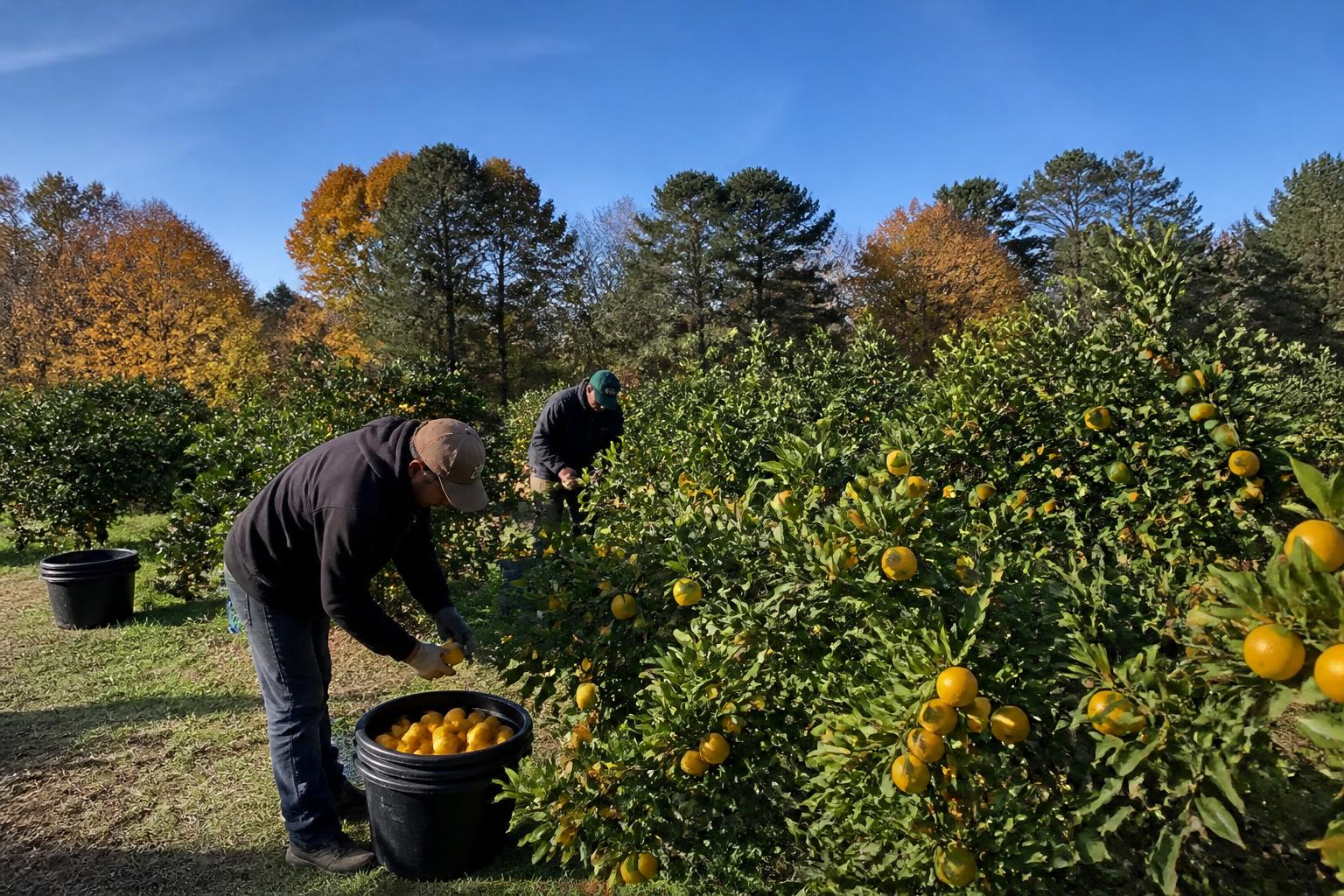
As Alabama agriculture moves through the peak of its fall season, producers across the state are carefully balancing operational demands with tightening budget constraints. Whether managing field activities in the Wiregrass region or assessing the resilience of local supply chains, the pressure to maintain efficiency remains a primary challenge for agribusinesses and individual farm operations alike.
Economic headwinds, including potential fluctuations in the cost of off-road diesel, are prompting many in the industry to reassess their logistical planning. With harvest activities often requiring significant fuel consumption for machinery and transport, market analysts suggest that even marginal shifts in fuel policy can have a cascading effect on net margins. For those managing grain storage or long-haul logistics to major distribution hubs, proactive cost management is becoming a standard operating procedure.
Infrastructure and Resource Management
The resilience of our local supply chain is increasingly reliant on how efficiently we handle both production inputs and post-harvest output. As highlighted in recent discussions on expanding cold chain infrastructure, improvements to cold storage and regional logistics are vital for protecting the quality of Alabama's diverse crop yields. Investing in these localized networks helps shield growers from broader market volatility and ensures that the state remains competitive in regional trade.
Furthermore, as operations hit their seasonal stride, producers are focusing heavily on the integration of data and power to support modern machinery. This technical evolution, while beneficial, demands reliable energy sources and consistent input supply chains. Managing these variables effectively is often the difference between a successful season and one defined by preventable logistical bottlenecks.
The Role of Adaptive Strategy
Beyond fuel and equipment, the human element of production management remains essential. Whether working with specialized livestock breeds or navigating the complexities of citrus cultivation, producers are finding that adaptive strategies are key to mitigating the risks of ongoing fall operations. This includes keeping a close watch on regional market indicators and staying informed on shifting federal and state policy impacts.
What it means for the market: Producers and agribusinesses should prepare for sustained price sensitivity throughout the remainder of the fall harvest. By prioritizing efficient fuel usage and leveraging local infrastructure, operations can better insulate themselves against the unpredictability of current input pricing. Maintaining flexibility in transport scheduling and storage utilization will be critical as the season concludes.
Comments
No comments yet - be the first to share your take.